
Ever since the introduction of NIL in collegiate-level sports, the line between college sports and the pros has only continued to blur.
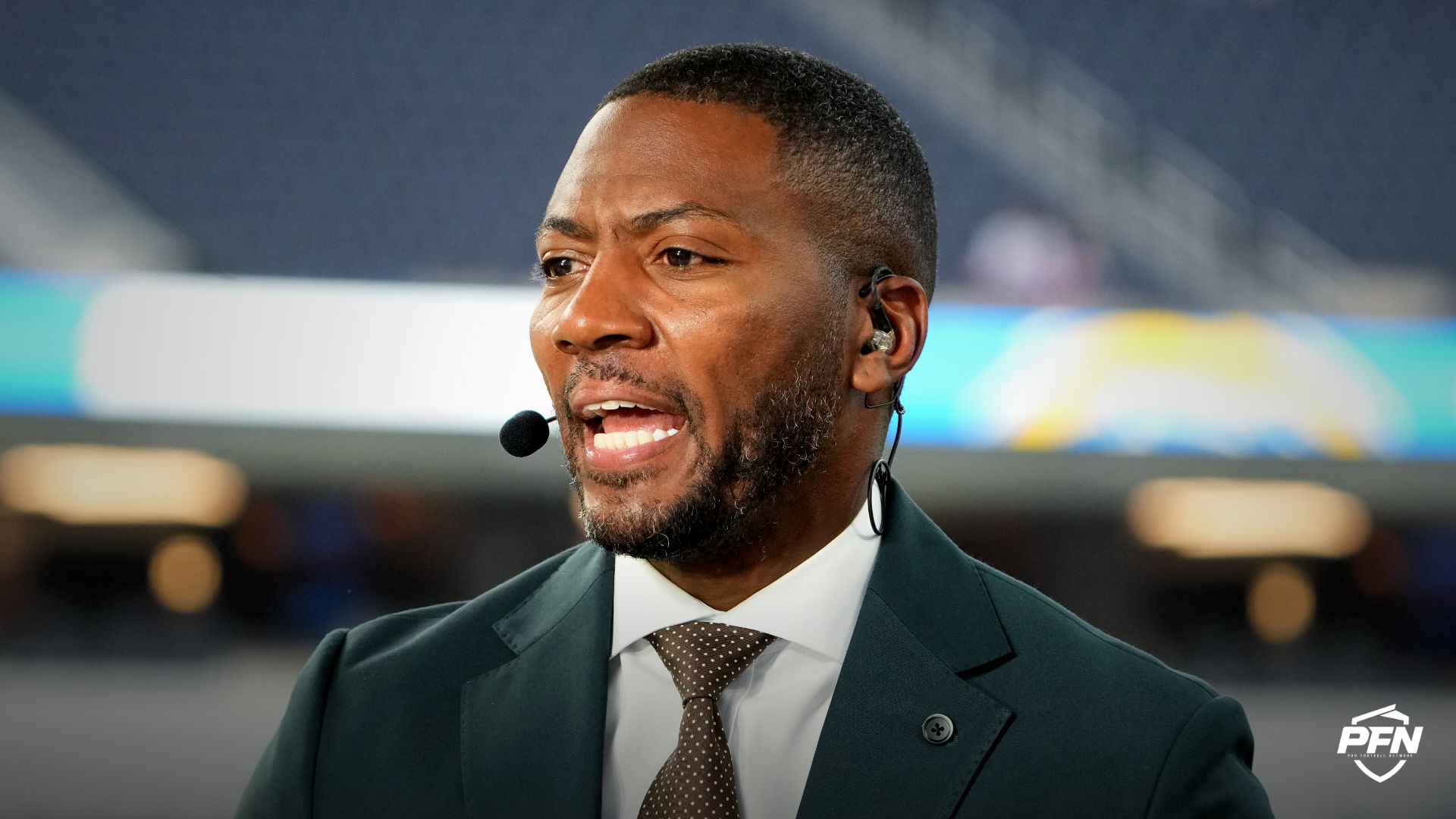
Ryan Clark, a former NFL defensive back and Super Bowl champion, recently shared his thoughts on the trend of players going back to college football. This is in response to a court ruling that permits players who have been in NFL training camps to return to school with only three weeks remaining before the 2026 season begins.
Ryan Clark Calls Out Players Returning to College Football From NFL Training Camps
A recent court ruling in Louisiana has opened the door for a group of former college football players currently at NFL training camps to potentially return to the college game in 2026. The temporary restraining order allows players involved in the lawsuit to enter the transfer portal, despite having already left college for a chance at the pros.
Clark made his displeasure with the possibility quite clear. The former Super Bowl champion took to social media to criticize the idea of players returning to college simply because their NFL careers have not gone according to plan.
“Bruh!! If folks just start going back to college because it doesn’t work out like they want to in the league that’s some BS!!” Clark said in an X post. “Worst part is that schools will eat it up. Going to be scouring NFL film looking for the next transfer portal, grown azz man to dominate 17 year olds.”
Bruh!! If folks just start going back to college because it doesn’t work out like they want to in the league that’s some BS!!
Worst part is that schools will eat it up. Going to be scouring NFL film looking for the next transfer portal, grown azz man to dominate 17 year olds.
— Ryan Clark (@Realrclark25) August 20, 2026
It is no secret that college football has undergone enormous changes in recent years. The ever-evolving transfer portal and a series of court rulings allowing players with no more college eligibility to return to play have fundamentally altered college football and the NCAA itself. The latest ruling pushes that evolution even further by potentially allowing players who have already reached the professional level to return to college.
BE THE GM OF YOUR FAVORITE TEAM: PFN’s Free NFL Mock Draft Simulator
The court ruling in Louisiana allows the class of 2022 players who filed the suit to enter the transfer portal. Meaning they now have the opportunity to find a new team ahead of the 2026 season.
Under this order, players have a week to enter their names in the transfer portal, and the NCAA must explain to the court why any players should not be eligible to use the portal.
The group includes former Florida and LSU defensive end Jack Pyburn. The standout defensive end played the first three years of his career at Florida before transferring to LSU for the 2025 season. Pyburn is currently with the Tampa Bay Buccaneers and participating in their training camp.
START PREPARING: PFN’s Free Fantasy Draft Simulator
Also among the players granted a temporary restraining order are former Ole Miss starters DT Zxavian Harris and DB Wydett Williams Jr., both key contributors in 2025 who helped the Rebels reach the College Football Playoff semifinals. Harris was recently a member of the New Orleans Saints before his release. Williams is currently a member of the Arizona Cardinals.
Former Ole Miss TE Dae’Quan Wright was also part of the group that received a temporary restraining order. Wright is now with the Cleveland Browns at their training camp.
PREDICT THE NFL SEASON: PFN’s Free NFL Playoff Predictor
There is certainly an argument for giving players as much freedom as possible over their careers while allowing them to make life-changing money early on. But Clark’s criticism highlights that college football was never designed to serve as a fallback option for professional athletes.
The NCAA’s eligibility system has already become increasingly difficult to define amid a wave of lawsuits and court decisions. Now, the possibility of NFL players returning to the transfer portal adds another layer of uncertainty.
At some point, even the most player-friendly version of college football needs a line; Clark clearly believes this is where it should be drawn.
What is clear is that we have officially reached unprecedented times in college football, and with the season set to start next month, what comes next remains incredibly unpredictable.
