
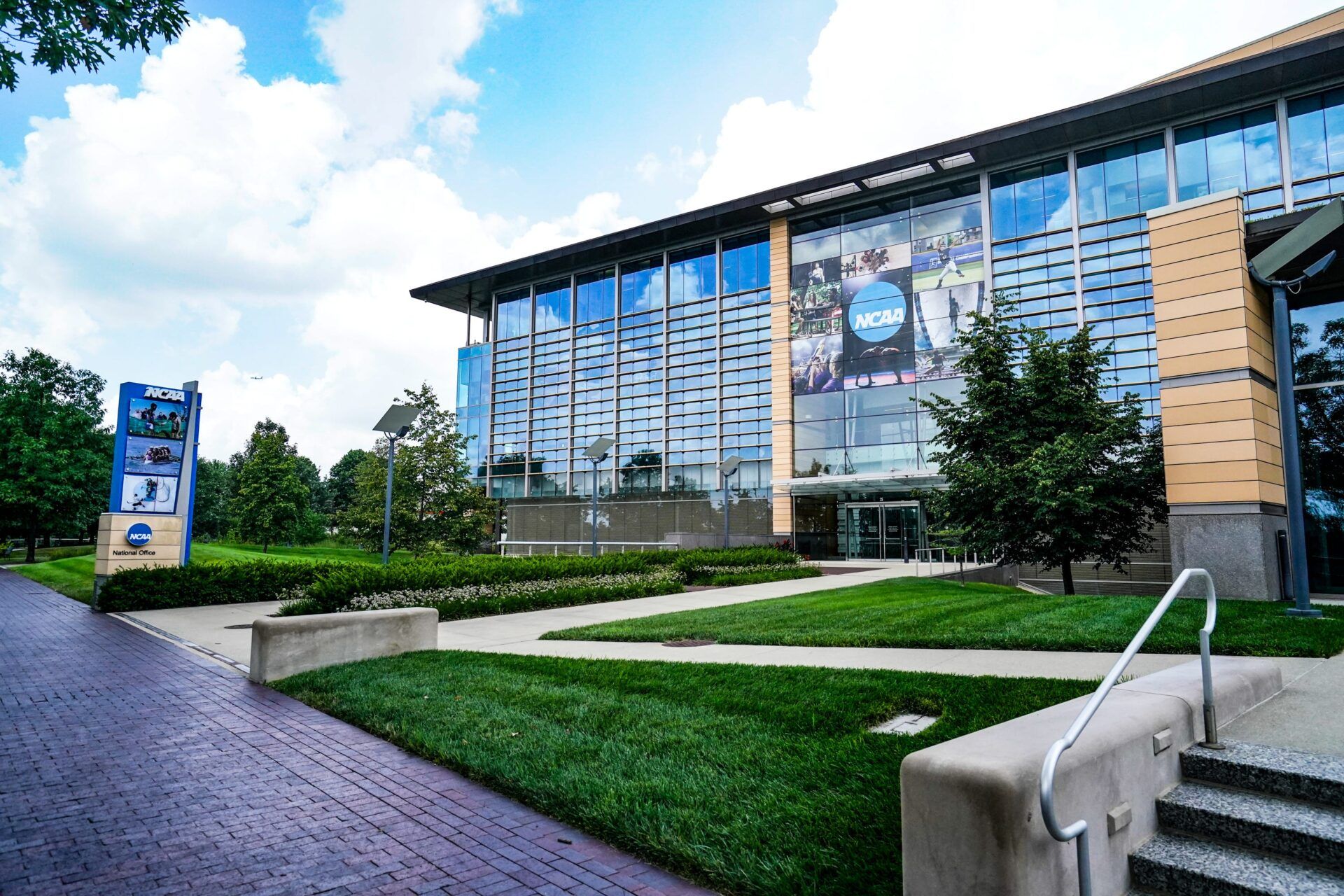
The integrity of college sports is facing a serious threat, as the NCAA has confirmed that six former men’s college basketball players were involved in game manipulation and illegal sports betting. The violations occurred across three different programs: the University of New Orleans, Mississippi Valley State University, and Arizona State University. While the schemes were not directly connected, they all point to a disturbing trend of athletes either deliberately affecting game outcomes or leaking insider information to bettors.
This news broke after an FBI gambling probe that initially involved NBA figures like Chauncey Billups and Terry Rozier expanded into the NCAA, leading to potential punishments for 30 college players. These findings highlight a growing problem in all sports, as the widespread availability of sports betting puts more pressure on student-athletes and creates opportunities to compromise the games they play.
What Did the NCAA Uncover in Its Gambling Investigations?
Here are the key findings from the NCAA’s investigation into each case:
New Orleans
At the University of New Orleans, the investigation centered on three players, Cedquavious Hunter, Dyquavian Short, and Jamond Vincent, who were caught in a game-manipulation scheme. The situation came to light after another student-athlete overheard them discussing a bet placed by a third party.
Near the end of one game, Short reportedly told the uninvolved athlete to stop scoring, which suggested the wager was related to the point spread. Recovered text messages confirmed communication with outside bettors, with discussions of payments around $5,000. This point-shaving activity occurred across seven games between December and January.
Despite denying their involvement, the evidence led to the permanent loss of eligibility for all three players to play.
Mississippi Valley State
Meanwhile, the investigation at Mississippi Valley State University uncovered a similar plot, this time involving former players Donovan Sanders and Alvin Stredic. Sanders was overheard on a phone call with an unknown person, discussing a plan to throw a game. He then tried to recruit another player into the scheme, but that player refused.
MORE: NCAA Accused of Violating Federal Law by 25-Year-Old Player in Ohio State Waiver Drama
However, Stredic agreed to participate with Sanders. Both were promised money by a caller who instructed them to play poorly during the first half of a game. Both Sanders and Stredic hindered the investigation by providing false or misleading information and refusing to cooperate with investigators.
Arizona State
The case at Arizona State University was different. Instead of throwing games, Chatton “BJ” Freeman provided insider information to Mykell Robinson, who was a student-athlete at Fresno State University at the time.
On four separate occasions, Freeman gave tips to Robinson, who then used daily fantasy sports accounts to bet on Freeman’s performance. Freeman also gave inside information to his girlfriend, who placed bets on him as well.
