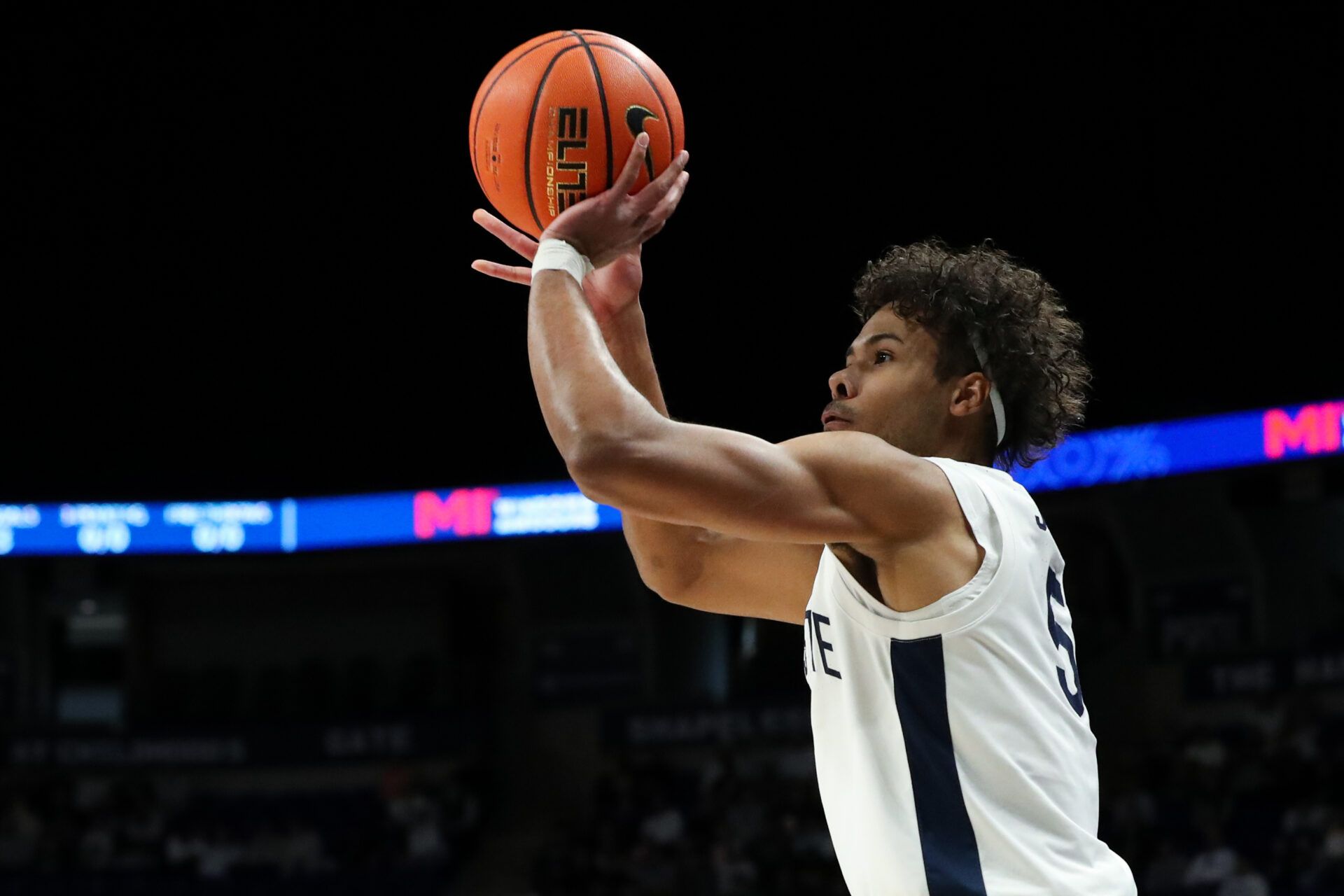
A player’s career hangs in the balance, and once again, the NCAA finds itself in the legal spotlight. Donovan “Puff” Johnson, a 25-year-old guard, has filed a federal lawsuit against the organization after it blocked his eligibility to play for the Ohio State Buckeyes. The former Penn State Nittany Lions player is challenging a denied medical hardship waiver, a decision that could prematurely end his college basketball journey.
Why Is Donovan Johnson Suing the NCAA?
The lawsuit contends that the NCAA violated federal antitrust laws. Johnson’s challenge stems from the NCAA’s denial of a waiver related to his past injuries and health concerns, including a battle with Crohn’s disease during his time at the University of North Carolina.
The complaint argues that the NCAA’s guidelines covering junior college, medical redshirt years, and eligibility restrictions violate federal and Ohio law. These rules are said to limit competition, the players’ capacity to maximize their NIL value, and their opportunities to play Division I basketball.
Basketball analyst Jeff Goodman covered the allegations in a post on X (formerly Twitter). A decision in favor of Johnson could mark the beginning of a new era for eligibility windows. Furthermore, it would significantly expand athletes’ rights and create more autonomy in the governance of college sports.
Attorney Mit Winter explained the rule at the heart of the dispute. “The rule requires athletes to (a) suffer a season ending injury during the first half of the season and (b) to have not played in more than 30% of the team’s scheduled games, in order to be able to obtain a waiver for another season of competition.”
How Does a Similar Case Provide Important Context?
This is not the first time the NCAA has been involved in a similar legal dispute. In 2024, Vanderbilt quarterback Diego Pavia was engaged in a similar legal dispute with the NCAA over eligibility rules related to his junior college and medical hardship history. In that case, a federal judge issued an injunction that allowed Pavia to play while the case was pending. This situation was significant in setting an example for other players who were seeking similar waivers.
However, the NCAA continues to face such lawsuits from other athletes, a fact that only puts more scrutiny on the legal issues its policies have invited. The ongoing cases for both Pavia and Johnson are pivotal, as athletes seek reforms in NCAA guidelines and support for student-athletes who have been affected by injuries and other hardships.
In five years of his collegiate career, Johnson has played for North Carolina and Penn State. He has played 111 games and averaged 5.3 points on 45.2% shooting, including 29.1% from behind the arc. He also recorded 2.6 rebounds, 0.3 assists, 0.1 steals, and 0.1 blocks per contest.
If Johnson wins the ruling, it could help numerous athletes expand their rights and provide a major pushback to the NCAA’s traditional control over eligibility windows.
