
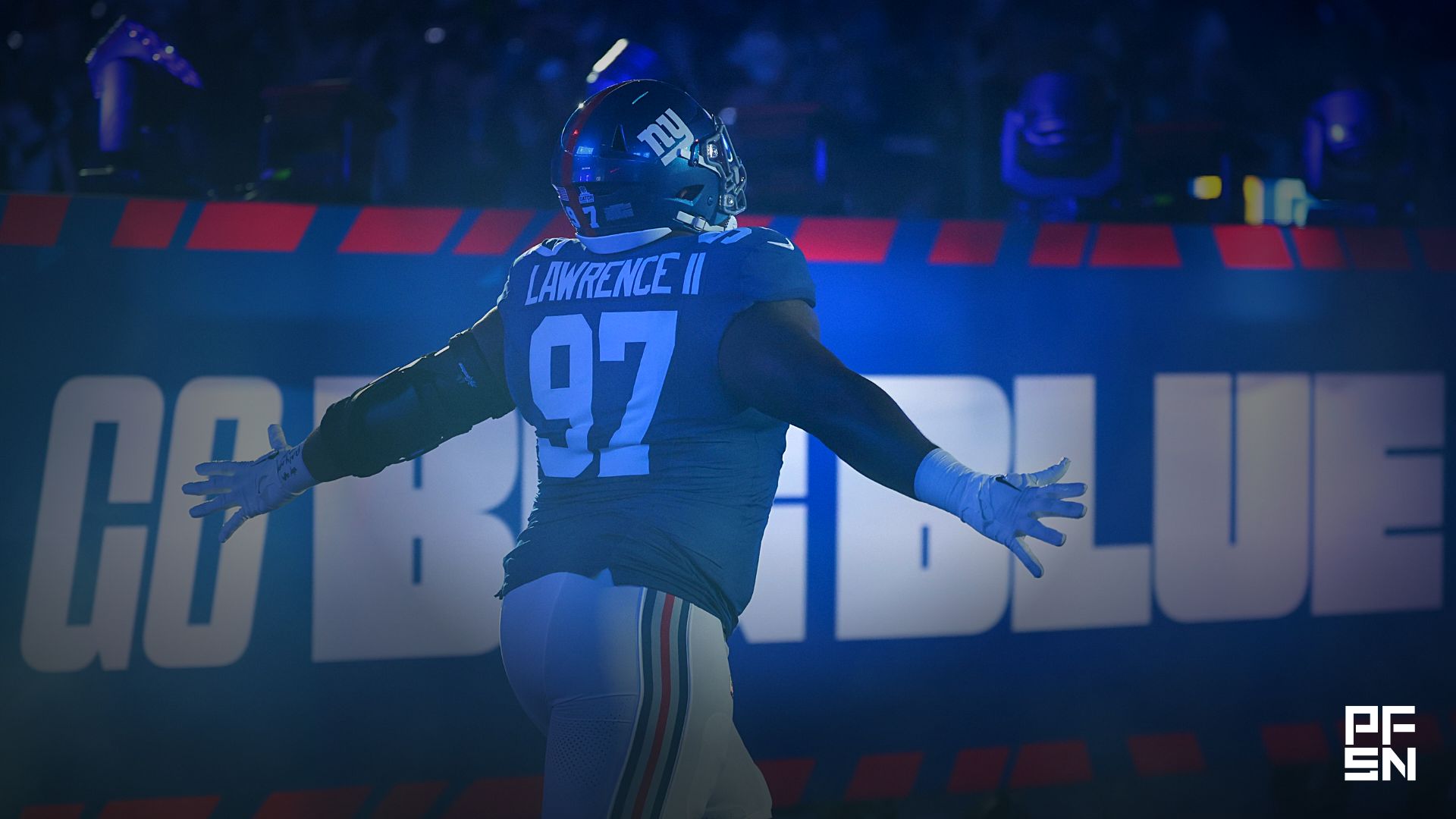
UPDATE: The Cincinnati Bengals and New York Giants’ blockbuster trade involving Dexter Lawrence is now official. Lawrence passed his physical and agreed to a one-year, $28 million extension with Cincinnati, according to ESPN’s Adam Schefter. This article was published minutes before Lawrence passed his physical and agreed to the extension:
With the 2026 NFL Draft rapidly approaching, a massive storyline surfaced out of nowhere as the Giants and Bengals agreed to a blockbuster trade involving Dexter Lawrence. The Giants are parting ways with their longtime defensive anchor, while the Cincinnati Bengals are positioned to make a major splash.
However, despite growing momentum around the deal, one NFL insider is cautioning that it is not yet across the finish line. The situation remains fluid, with critical steps still pending before anything becomes official. As history has shown, even seemingly agreed-upon trades can unravel at the last moment.
Mike Florio Explains Final Hurdles in Dexter Lawrence Trade to Bengals
Speaking on “Pro Football Talk,” NFL insider Mike Florio provided important context on the current status of the trade and why caution remains necessary. While reports suggest that the Bengals are set to acquire Lawrence in exchange for the No. 10 overall pick, Florio emphasized that nothing is guaranteed until all formalities are completed.
“Now, we know the drill — it’s not done until it’s done,” said Florio. “Pending a physical, the deal will happen. For the 10th overall pick in the 2026 draft, the Bengals will acquire Dexter Lawrence.”
Florio’s comments highlight a key detail: the physical examination. In NFL trades, especially those involving high-profile players with huge workloads, passing a physical is a non-negotiable step.
Any concerns that arise during that process could delay or even derail the deal entirely. He added further context on the contract situation, noting that negotiations are still ongoing behind the scenes.
“My understanding is there’s no new deal on the way yet, but they expect to get something done,” Florio added. “Maybe it gets done before the physical is finalized, which gives a few days before the draft begins to wrap everything up, especially since you’re picking up the 10th overall pick.”
This introduces another layer of complexity. Not only must Lawrence pass his physical, but the Bengals also need clarity on a potential contract extension. If the two sides cannot align on long-term terms, it could create hesitation before finalizing the trade.
Florio also pointed out the urgency from the Giants’ perspective.
“If you’re the New York Giants, what happens after that? That’s why you get the physical done before Thursday,” he continued.
BE AN NFL GM: PFSN’s Ultimate GM Simulator
With the draft looming, timing is everything. The Giants need certainty before committing to their draft strategy, especially if they are set to hold multiple top-10 picks following the deal.
A recent example in the NFL provides a clear reminder of how quickly deals can collapse. The failed trade involving Maxx Crosby serves as a cautionary tale. After initially being moved to the Baltimore Ravens, the deal was ultimately voided due to concerns arising from Crosby’s physical.
That situation created a major ripple effect, leaving Crosby back with the Raiders and raising questions about transparency and medical evaluations.
From a performance standpoint, Lawrence remains a highly productive defensive tackle. According to PFSN’s DT Impact Metrics, he posted a 77.3 impact score, ranking 38th overall with a C+ grade during the 2025 season.
For the Bengals, acquiring Lawrence would strengthen their defensive front in a tough AFC North division. According to PFSN’s Defense Impact Metrics, the Bengals finished the season with a 6-11 record while struggling defensively. They recorded a 65.3 score, ranking 28th in the league and earning a D grade, which placed them No. 28 for the season, underlining major issues on the defensive side of the ball.
As things stand, the trade remains on track but far from guaranteed. The physical examination and contract discussions represent the final hurdles that must be cleared. Both teams have strong incentives to complete the deal, yet recent examples prove that nothing can be assumed until paperwork is signed.
