
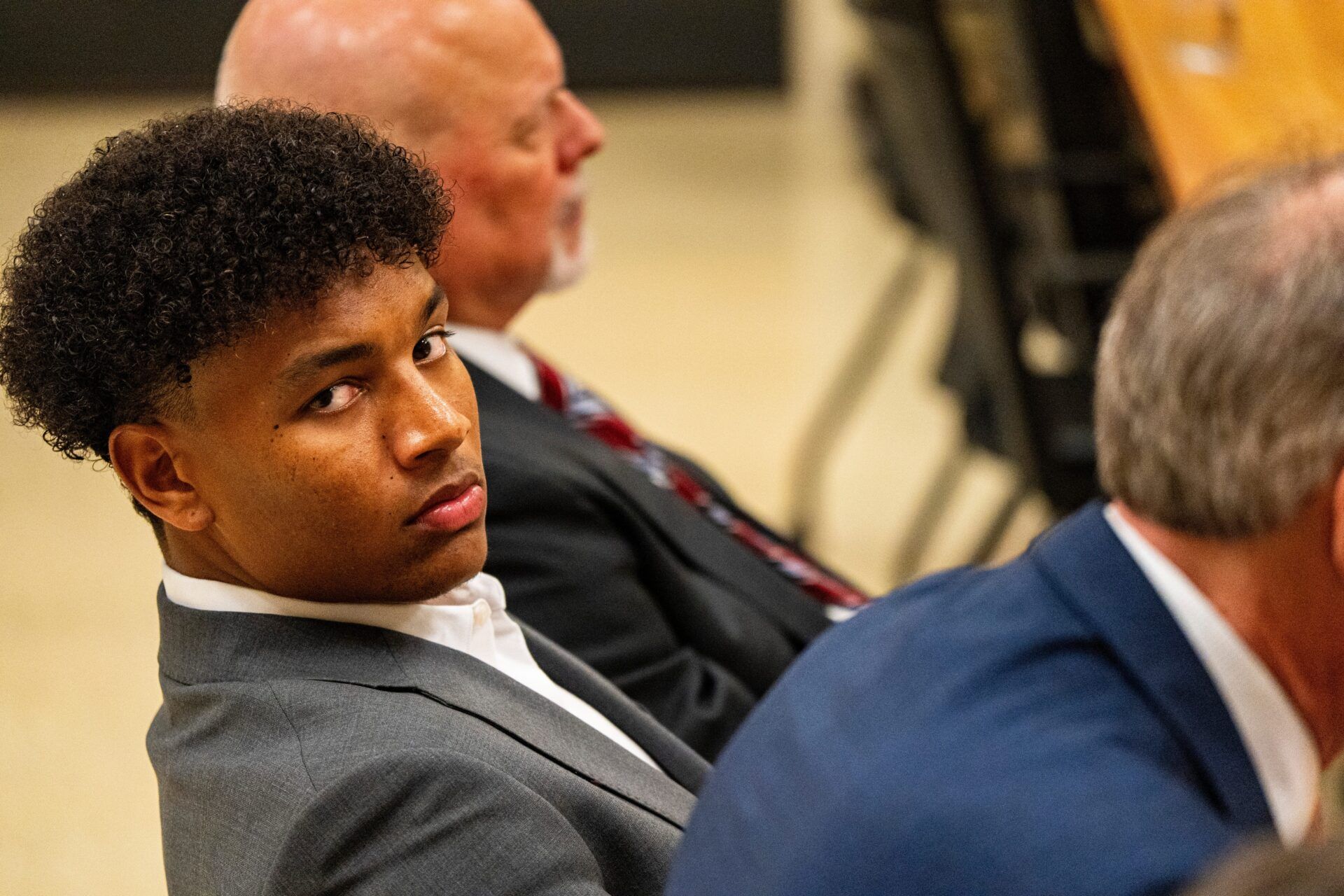
The ongoing eligibility battle between Trinidad Chambliss and the National Collegiate Athletic Association could be getting even more complicated, and potentially far more costly for the NCAA.
Chambliss, the star quarterback for Ole Miss football, has been locked in a legal fight with the NCAA over whether he should be granted a sixth season of college eligibility. While the case is still unresolved, a new development in the lawsuit suggests the NCAA’s decision may have already cost the quarterback a major financial opportunity.
Trinidad Chambliss Eligibility Case Gets More Expensive
According to reporting from 247Sports and CBS Sports beat writer Chase Parham, Chambliss’ amended court filing claims the quarterback lost a potential cover athlete deal for EA Sports College Football 27 because of the uncertainty surrounding his eligibility status.
Parham summarized the filing in a social media post that quickly spread across the college football world.
“Trinidad Chambliss’ amended filing says the QB lost a potential EA Sports video game cover deal because of the eligibility fight. He was 1 of 3 finalists and perhaps the ‘favored player,’ but EA pulled out over the risk. Chambliss is seeking damages and possible punitive damages.”
If those claims hold up in court, the situation could significantly strengthen Chambliss’ legal argument against the NCAA.
At the center of the dispute is the NCAA’s decision to challenge whether Chambliss should receive an additional year of eligibility. If the courts ultimately rule in Chambliss’ favor and grant him the sixth season, the NCAA could face serious consequences for the financial damage the quarterback argues he suffered during the process.
The potential lost cover deal is especially notable given the massive return of EA Sports’ college football video game series. After an 11-year hiatus, the franchise returned with enormous popularity, and the cover athletes for future editions are expected to command significant NIL value.
ALSO READ: Huge $40M NIL Spend Puts Lane Kiffin’s Biggest Coaching Weakness Under Microscope
For Chambliss, being selected as one of the faces of EA Sports College Football 27 could have been a major endorsement moment. According to the filing, he was reportedly among the three finalists for the cover and may have even been considered the favorite before the eligibility uncertainty forced EA Sports to reconsider.
From a legal standpoint, that detail could become a key piece of evidence. If Chambliss’ attorneys can demonstrate that the NCAA’s eligibility dispute directly cost him a lucrative NIL opportunity, it could increase both the damages and potential punitive penalties being sought in the case.
The interest in Chambliss as a cover athlete isn’t surprising, given the season he delivered for Ole Miss. The Rebels enjoyed one of the most successful seasons in program history, with Chambliss emerging as a star after Lane Kiffin built the roster through the transfer portal.
Ole Miss finished the 2025 season with 13 wins and advanced all the way to the College Football Playoff semifinal under head coach Pete Golding, who took over the program after Kiffin departed for LSU at the end of the regular season.
Kiffin’s offensive system helped produce one of the nation’s most prolific attacks, with the Rebels finishing among the top offensive units nationally in scoring, averaging more than 37 points per game, and Chambliss’ performance was a major reason why.
Chambliss earned a PFSN CFB QB Impact Grade of A-, placing him among the top five quarterbacks in the country. His combination of leadership, decision-making, and poise under pressure helped drive Ole Miss’ deep playoff run.
Those performances turned Chambliss into one of the most recognizable players in college football, exactly the kind of star EA Sports would want representing its flagship college football video game.
Now, however, the NCAA’s continued fight over his eligibility may have done more than simply delay his return to the field. It may have cost him a major NIL opportunity and provided his legal team with a powerful new argument in court.
If the ruling ultimately favors Chambliss, the NCAA could face not only a loss in the eligibility dispute but also a significant financial consequence tied to one of the biggest marketing opportunities in modern college football.
