
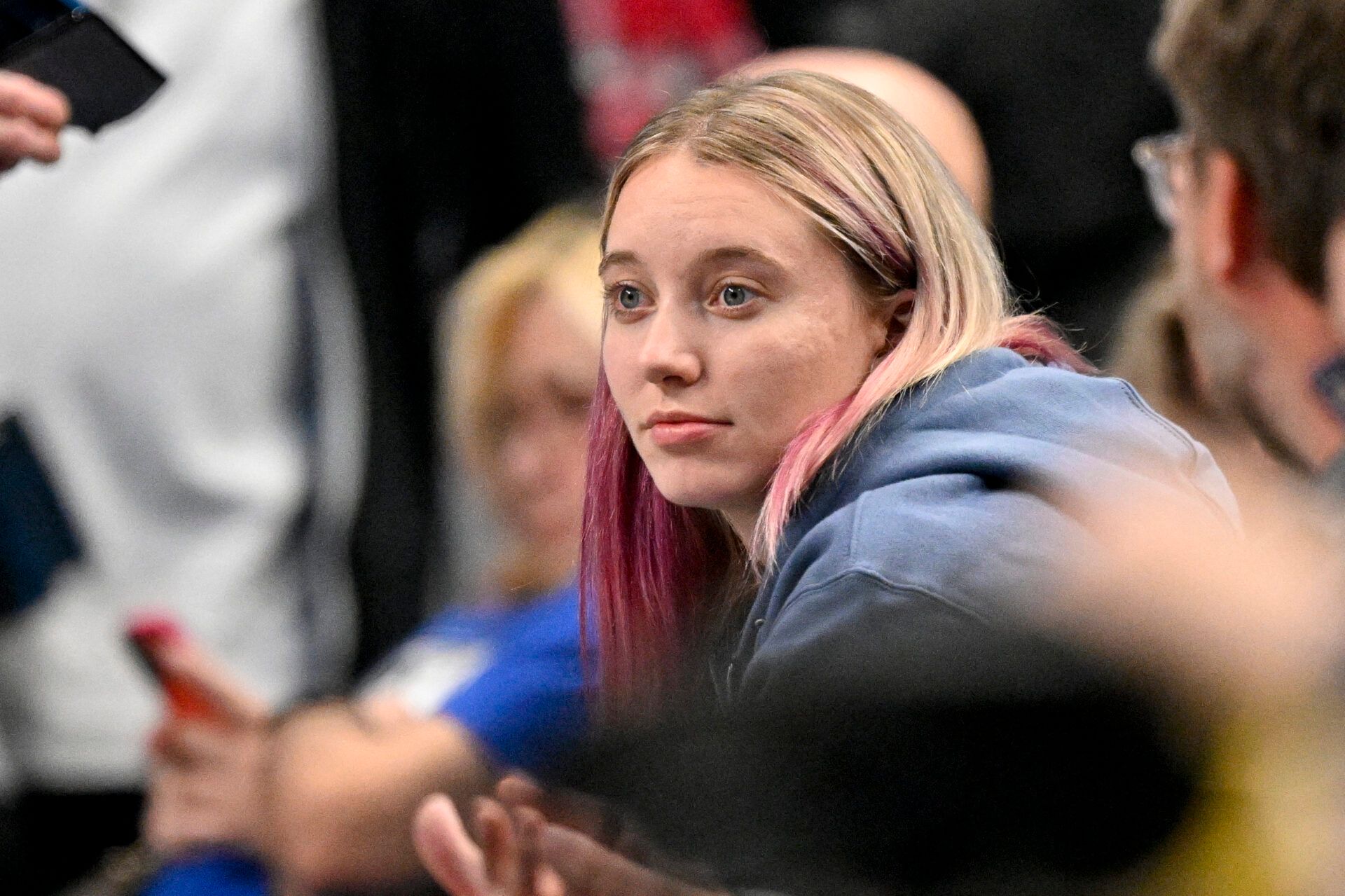
Paige Bueckers didn’t hold back when discussing the WNBA’s ongoing collective bargaining negotiations. With a March 10 deadline looming, just to ensure the season begins on time, frustration is clearly mounting among players.
Amidst that frustration, Bueckers tries to put out a message that the athletes don’t want a strike. They just want progress. Everyone wants to play basketball. But as talks between the league and the union continue to stall, patience is wearing thin.
Paige Bueckers Voices Out Frustration Regarding CBA Negotiations
Speaking ahead of the Unrivaled semifinals in New York, Paige Bueckers expressed disappointment with the lack of movement between the WNBA and the Women’s National Basketball Players Association.
“At this point, it’s not really a negotiation anymore. Both sides aren’t moving,” Bueckers said. “So, I feel like we need to continue to have these conversations, continue to actually have change implemented for us to move on our stance.”
She doubled down on the players’ priorities. “We as players, we don’t want a strike. We wanna have a season. I love playing basketball. That’s all I wanna do. But, again, there’s things that need to be handled, and we wanna do it as professionals.”
Bueckers reflects on a broader tension across the league. The WNBA is reportedly setting March 10 as a soft deadline to finalise its new CBA framework, just to keep the May 8 season open right on schedule.
Now, everything going forward hinges on reaching that agreement. Be it free agency, training camp, or expansion logistics for Portland and Toronto.
Salary Cap Jumps, Revenue Sharing Divide, and What’s at Stake
The WNBA submitted a counterproposal on March 1 in response to the union’s Feb. 27 offer. Among the headline items:
- Year 1 salary cap increase to $5.75 million, up from $1.5 million in 2025
- Projected growth to roughly $8.5 million by 2031
- Maximum salaries are rising from $249,000 to approximately $1.3 million in 2026
- Average salaries projected to jump from $120,000 to $540,000
The league also proposed allowing first- and second-team All-WNBA players on rookie contracts to become eligible for max deals in their fourth season. This can potentially impact young stars across the league.
However, the central sticking point remains revenue sharing. The WNBPA has reportedly asked for 26% of gross revenue. The league has held firm on a net-revenue model, offering players more than 70% of profits after expenses, a figure that equates to a significantly smaller share of total intake.
WNBPA vice president and Kelsey Plum even called the introduction of revenue sharing a “tremendous win,” emphasising progress while acknowledging negotiations are ongoing. Breanna Stewart echoed that sentiment, noting that a strike would hurt both sides under a shared-revenue system.
Still, for players like Bueckers, incremental wins don’t erase the urgency. Obviously, the clock is ticking. And if no deal is reached, it can delay the season and potentially lead to a work stoppage.
Everyone really must meet in the middle.
