
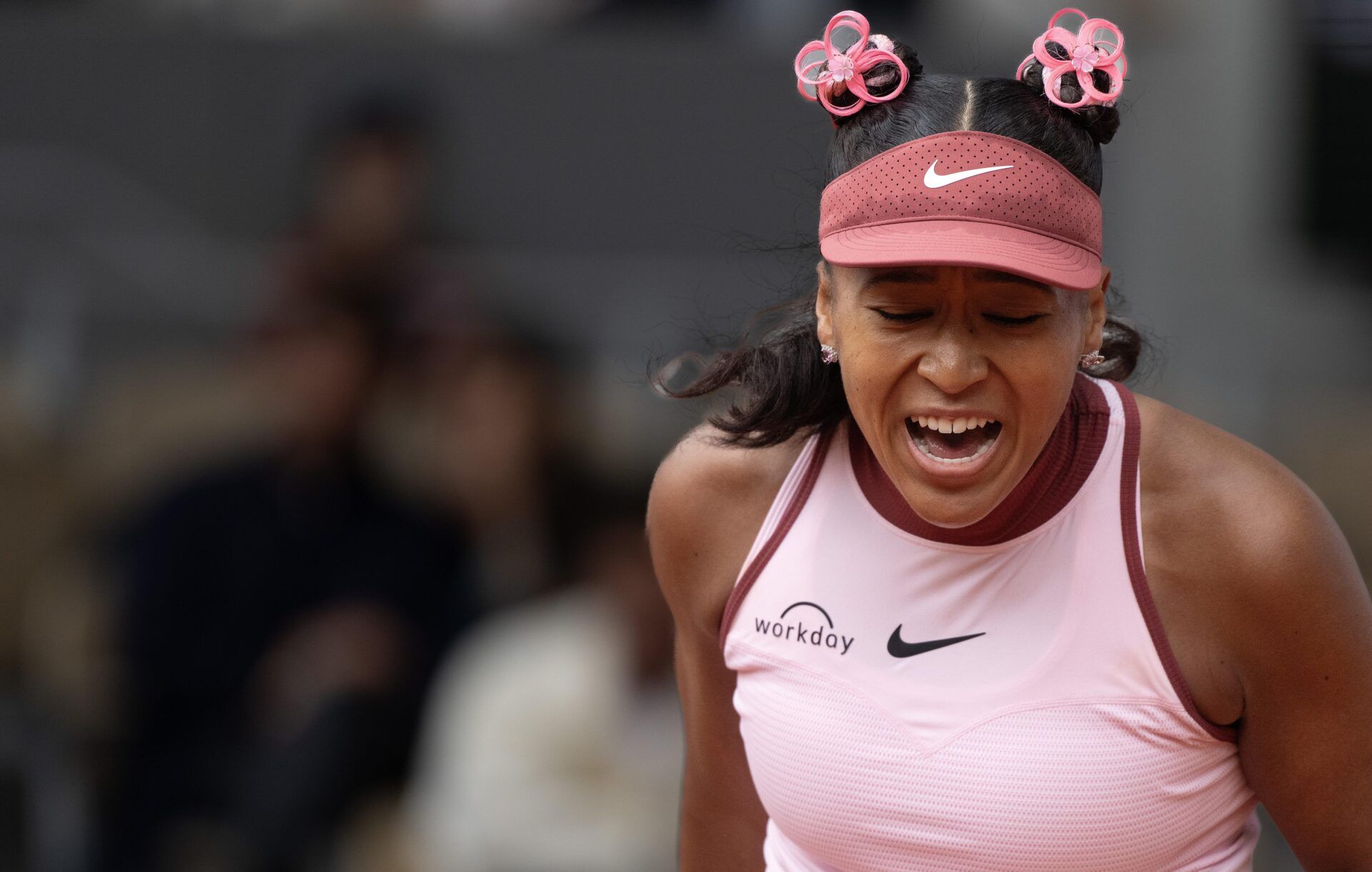
Naomi Osaka recently opened her heart, asking for help with a very common problem. The four-time Grand Slam winner recently shared a message on Instagram Threads, asking for help from her older fans. The 27-year-old continues to battle with questions about her identity, even as she works to rebuild her tennis career after becoming a mother.
The Japanese star, currently World No. 57, has never been shy about discussing her mental health struggles. Her latest plea comes during a challenging period where she’s trying to find her form while also dealing with motherhood.

Recent Struggles of Naomi Osaka On and Off the Court
Osaka’s 2025 season has been filled with ups and downs. After returning from maternity leave in 2024, she has faced several tough losses, including the early exit from the 2025 French Open. During the press conference, she broke down in tears and admitted to hating disappointing people and feeling like she should be performing better.
The tennis star expressed concern about letting down her coach, Patrick Mouratoglou. She worries that he went from working with “the greatest player ever” to working with her current struggles. Osaka’s coach responded with support, telling her she should be proud of her efforts and that her hard work would pay off soon.
View this post on Instagram
Despite these challenges, Osaka emerged victorious at a WTA 125 event in Saint-Malo, France, winning her first title in four years. This victory on clay courts was particularly meaningful since she had previously considered clay her worst surface, and it helped her return to the top 50 in world rankings.
Naomi Osaka’s Openness about Mental Health
Osaka has previously shared that she has suffered from depression since 2018 and has had difficulty coping with the pressures of professional tennis. Her decision to withdraw from the 2021 French Open to protect her mental health sparked important conversations about athlete wellness.

Osaka has worked with mental health professionals and travels with a mental health coach during tournaments. She has also become an advocate for normalizing discussions about mental health, particularly among athletes.
The tennis star has also been honest about the challenges of motherhood, describing herself as an “over-thinker” while raising her daughter, Shai. She wants her daughter to feel that her feelings are valid and that she shouldn’t feel isolated when going through difficult times.
Naomi Osaka’s plea for guidance about self-discovery shows that even successful athletes face the same identity questions that affect many people. Her willingness to ask for help publicly demonstrates both vulnerability and strength.
