
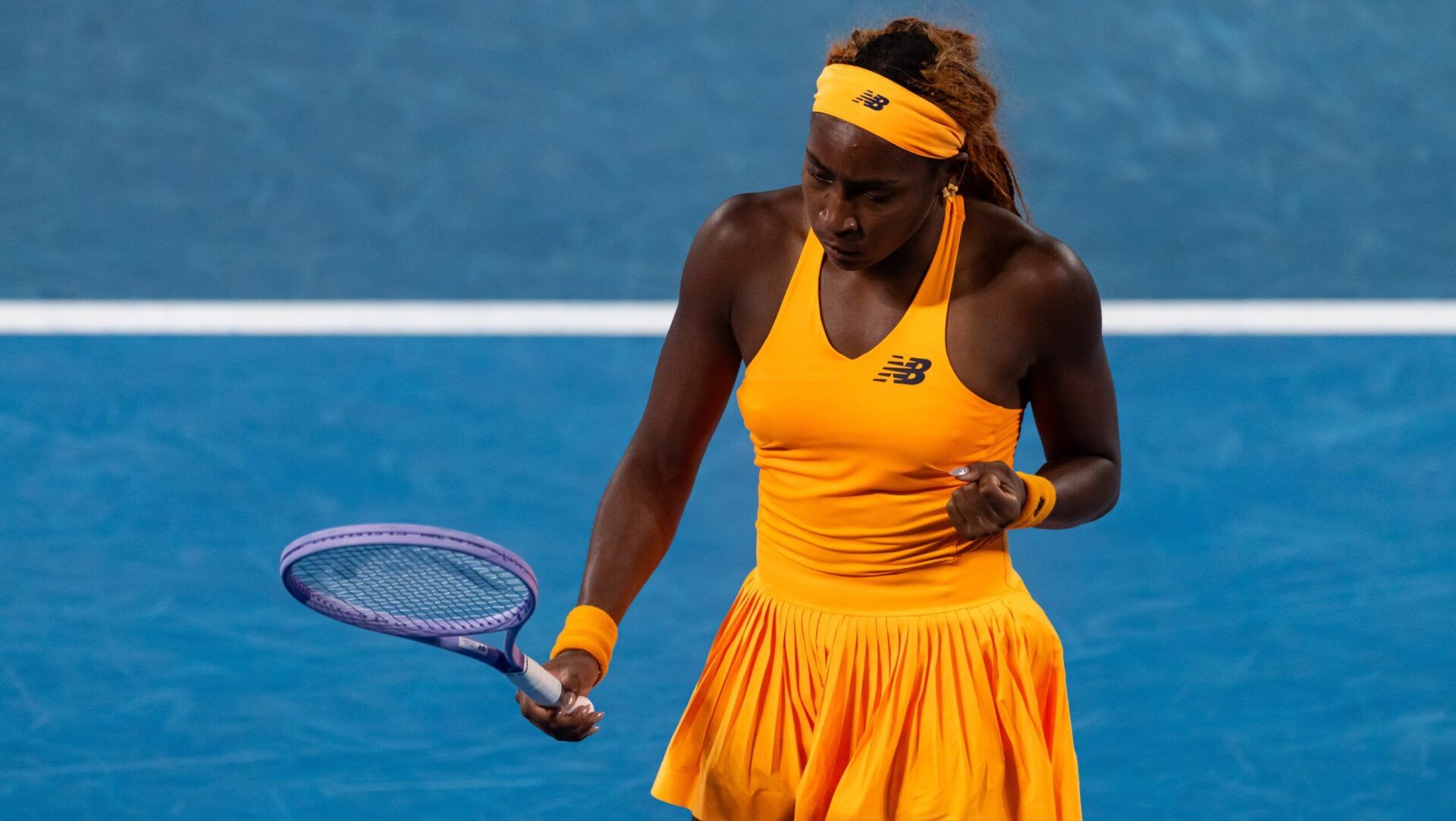
The 2026 Australian Open has become the focal point of a significant debate regarding player privacy and broadcasting practices at professional tennis tournaments. Following Coco Gauff’s quarterfinal press conference that left several players frustrated about player privacy, the tournament director explained their position on camera placement at Melbourne Park. The situation has raised important questions about the balance between delivering content to tennis fans worldwide and protecting athletes’ personal moments away from the court
Coco Gauff’s Press Conference Ignites Privacy Debate at the 2026 Australian Open
Tournament Director Craig Tiley addressed the controversy during an interview with the Tennis Channel, acknowledging players’ concerns while defending the tournament. Tiley stated, “The first thing that we do we want to listen to the players. We want to really understand what their needs and what their wants are. It’s a fine line between the player promotion and the event promotion, and where the cameras are,” establishing openness to feedback from the players.
Tiley then pointed to the numerous private areas available to players at Melbourne Park that remain off-limits to cameras, saying, “Now, we do have many areas behind the scenes. We like, for example, have a coaches’ room where players and coaches can interact, that has no cameras. There’s the locker room, the training rooms, the recovery rooms, the beauty room, the sleep room. There’s many places we have on site that are player-only. No cameras in the general corridors going in and out of the areas, walking on the court.”
He then acknowledged the presence of multiple cameras throughout the facility, but did mention that the tournament is ready to make changes to tailor to players’ needs. “Of course, there are cameras, but we’ll continue to review it and make sure that the players are comfortable with it.”
“But at the same time, we also want to bring the fan and the player closer as you do ’cause we believe that as tennis players, we can really help lift their value and also the love the fans have for them. But there’s a fine line that we’ve got to keep walking,” Tiley concluded, suggesting the tournament will take a look and revise its broadcasting policies.
After leaving the court to what she believed was a private area, Gauff vented her frustration by smashing her racket multiple times after losing the quarterfinal to Elina Svitolina. She was unaware that security cameras were positioned nearby, capturing every moment of her emotional release.
The footage quickly went viral, and during her press conference, Gauff expressed her concerns about the camera presence throughout Melbourne Park. Most significantly, she highlighted the broader privacy concerns, stating that the locker room remains the only genuinely private space available to players during their time in Melbourne.
Player Backlash Over Privacy Concerns at Australian Open
Following Gauff’s comments, numerous other players added their voices to the growing criticism at the Australian Open. WTA world No. 2 Iga Świątek spoke bluntly about the situation after her own quarterfinal loss to Elena Rybakina. When questioned about the lack of off-camera areas for players, Świątek stated, “Are we tennis players or are we animals in the zoo where they are observed even when they poop?” Though acknowledging the exaggeration in her comment, she emphasized that “it would be nice to have some privacy.”
Jessica Pegula similarly condemned the situation as an “invasion of privacy,” recalling past discussions about excessive camera placement at the tournament. She emphasized the pervasive nature of the surveillance, explaining that players are filmed “literally everywhere.”
Novak Djokovic, the 10-time Australian Open champion, also weighed in on the privacy controversy with critical comments. During his press conference after reaching the semifinals, Djokovic expressed empathy for Gauff’s situation, acknowledging that he understands the frustration that can lead to emotional outbursts after difficult matches. He mentioned that cameras are everywhere, but he is surprised that recording does not extend to shower facilities, showing how comprehensive the surveillance network has become at the tournament venue.
