
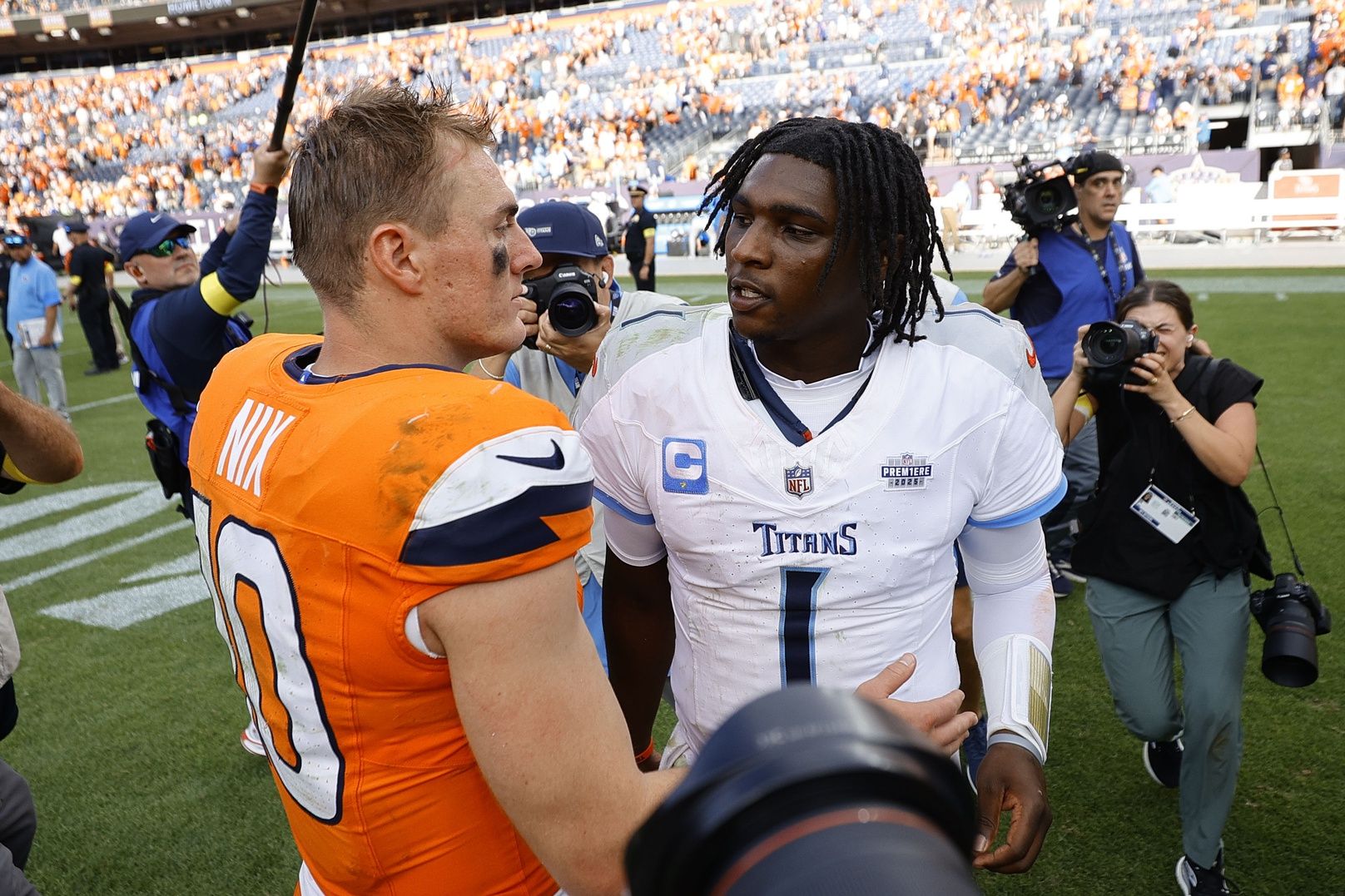
Cam Ward was drafted to re-energize the Tennessee Titans, but his first NFL start revealed just how steep the learning curve is at football’s highest level. With Nashville banking its future on the rookie first overall pick, every throw against the Denver Broncos was scrutinized by fans and analysts. Still, only PFSN’s QBi grade offers the clearest context for understanding how Ward measured up, and why.
How Did Cam Ward’s QBi Compare to Other No. 1 Picks?
QBi, PFSN’s quarterback game grade, is the most comprehensive single-game assessment available. It assigns a letter grade to each quarterback’s performance by blending passing and rushing efficiency and volume. Stable, repeatable components like clean pocket performance and EPA per rush on designed runs matter more than less predictable ones like pressure passing or scrambling.
There’s also a “clutch” boost, rewarding plays in high-leverage moments. To qualify for weekly rankings, a quarterback must participate in at least fifteen plays, ensuring all leaders are true offensive drivers.
In Week 1, Ward’s QBi was a mere 63.7, which ranked him last (32nd) among quarterbacks who qualified for the leaderboard. That is tied for the lowest by any top overall pick in their first start since at least 2000, alongside Caleb Williams from the year prior. Yet Ward’s grade (63.7) was lower than Williams’ (65.6) in their season debut.
For reference, even David Carr’s famously punishing debut netted a higher score (68.7, 31st), while Joe Burrow’s entry into the NFL was 74.1 (20th), and Cam Newton delivered a robust 77.8 (10th).
The QBi system revealed the full weight of Ward’s struggles. Facing a stiff Broncos defense with a top-tier secondary, Ward completed just twelve of twenty-eight attempts for 112 yards, no touchdowns, and took six sacks. The Titans never reached the end zone, settling for four field goals during a discouraging 20-12 loss.
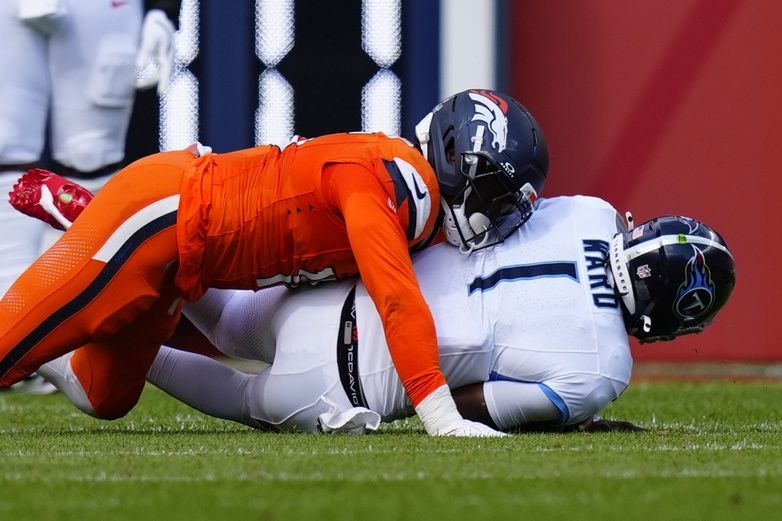
PFSN’s process credited Ward with maintaining composure, showing few turnover-worthy throws even while under frequent duress. However, missed opportunities on third down and a costly fumble in the fourth quarter limited his QBi.
If you wanna judge a young QB, and his potential, just watch how they do when their WRs don’t really get separation… this Cam Ward film against an elite Broncos Defense is FILTHY
pic.twitter.com/KmkuVpYCnt— John Frascella (Football) (@NFLFrascella) September 10, 2025
Other metrics further contextualize these struggles. Titans receivers dropped passes at over double the league-average rate, robbing Ward of potential drive-extending completions. Denver’s pass rush was persistent, and the rookie rarely enjoyed a clean pocket, which is weighted heavily in his final QBi grade.
Despite those circumstances, Ward kept the game within reach late—his “clutch” metric improved due to a fourth quarter drive that briefly made the outcome uncertain before another drive stalled.
MORE: QB Impact Rankings
Titans coach Brian Callahan highlighted the positives, focusing on Ward’s ability to command protections and make pre-snap adjustments, core traits emphasized in QBi.
“That’s one of Cam’s superpowers—that’s one of the weapons that’s going to make him a really good player in this league, his ability to operate at the line of scrimmage and manipulate the offense the way he sees fit,” Callahan said after the loss. Those skills don’t show up in most box scores but remain central to a strong QBi projection moving forward.
Ward’s first QBi score may not compare favorably to the best rookie debuts, but every season tells a different story. The nuances of PFSN’s QBi ensure that each grade isn’t just a reaction to results but a carefully weighted measure of process and context. Week 1’s disappointment offers plenty for Ward and Tennessee to correct, but it also gives real benchmarks for growth. Rookie debuts often reveal more about a quarterback’s circumstances than his ceiling.
The Titans will look for rapid improvement as Ward finds rhythm with his new team. QBi captures all the relevant layers: pocket comfort, rushing value, situational poise, and will track Ward’s true development better than any simple stat line. For now, the lessons from Denver are tough but necessary. It is only the first step on a journey Titans fans hope will set a new standard for quarterback play in Nashville.