
The 2025-26 college basketball season has seen unprecedented spending on rosters thanks to NIL and the House v. NCAA settlement, but the results from the 2026 NCAA Tournament have raised serious questions about the correlation between money and success.

1. Kentucky: $20 Million
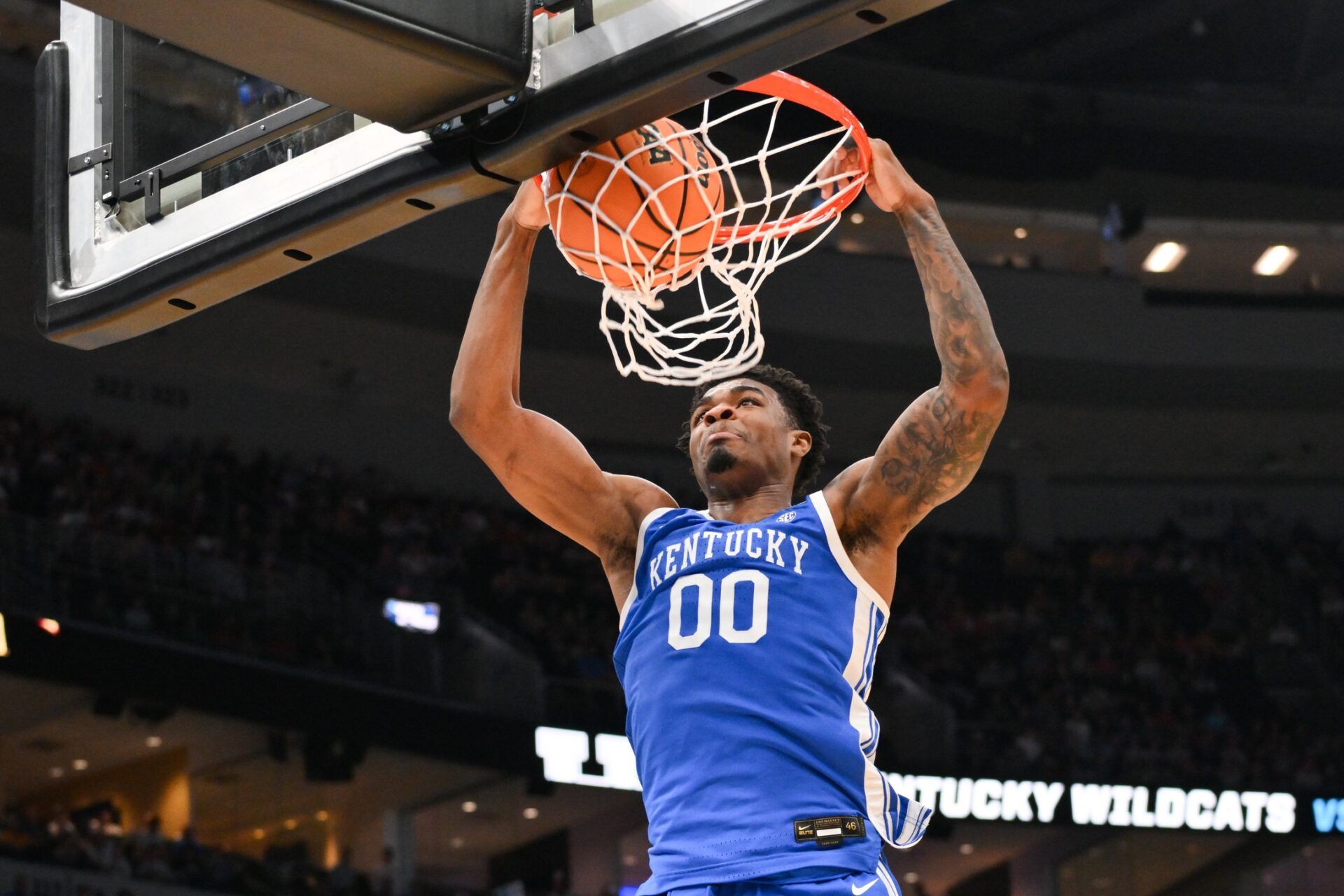
The Kentucky Wildcats boast the highest-valued roster at $20 million, according to FanDuel Sportsbook.
Mark Pope entered his second season in Lexington with sky-high expectations after assembling what many considered the most expensive roster in college basketball history.
The Wildcats spared no expense in the transfer portal, landing Jayden Quaintance from Arizona State, Jaland Lowe from Pittsburgh, Denzel Aberdeen from national champion Florida, and Kam Williams from Tulane.
The massive investment failed to produce results as Kentucky finished 22-14 and limped into the NCAA Tournament as a No. 7 seed.
Despite a miraculous buzzer-beater from Otega Oweh to force overtime against Santa Clara in the first round, the Wildcats’ season ended with an 82-63 loss to Iowa State in the Round of 32.
The 5 most expensive rosters in college basketball:
🏀 Kentucky: $20 million (Round of 32 exit)
🏀 BYU: $13 million (Round of 64 exit)
🏀 Duke: $12 million (Sweet 16+)
🏀 Arkansas: $11.5 million (Sweet 16+)
🏀 Louisville: $10.5 million (Round of 32 exit)The NIL era. pic.twitter.com/UpLJL8RoqH
— FanDuel Sportsbook (@FDSportsbook) March 23, 2026
2. BYU: $13 Million
BYU’s spending centered largely on landing AJ Dybantsa, the consensus No. 1 recruit in the 2025 class who reportedly received around $7 million in NIL compensation from the school, Nike, Red Bull, and other partners. According to reports, the Cougars rank second, valued at $13 million.
Head coach Kevin Young’s squad started ranked in the top 10 and climbed as high as No. 7 in the AP poll after a 16-1 start that generated national championship buzz.
Dybantsa lived up to his billing by leading the nation in scoring at 25.5 points per game, but the Cougars were decimated by five season-ending injuries throughout the year.
BYU fell to Texas 79-71 in the first round despite Dybantsa’s 35 points, finishing 23-12 and leaving fans wondering what could have been with a healthy roster.
3. Duke: $12 Million
Duke has a roster worth $12 million. Their spending strategy has produced the best return on investment among the top spenders this season.
The Blue Devils reloaded after losing Cooper Flagg to the NBA by bringing in Cameron and Cayden Boozer, along with a stellar freshman class.
Cameron Boozer emerged as the ACC Player of the Year, averaging 22.4 points, 10.3 rebounds, and 4.2 assists per game while leading Duke to a 34-2 record.
The Blue Devils cruised past Siena in the first round and dismantled TCU 81-58 in the Round of 32, with Boozer scoring 17 second-half points.
Duke’s defensive efficiency ranks No. 1 in the nation, and head coach Jon Scheyer has his team positioned as the favorite heading into their Sweet 16 matchup against St. John’s on Friday.
4. Arkansas: $11.5 Million
John Calipari used last year’s Sweet 16 overtime loss to Texas Tech as motivation to reload for another championship run in his second season at Arkansas.
The legendary coach consolidated his NIL budget to secure the most talented players possible rather than spreading money across a larger roster, building one of the deepest backcourts in the country, valued at $11.5 million.
Arkansas navigated a brutal SEC schedule before defeating High Point in the Round of 32 to punch its ticket to the second weekend. The Razorbacks will face top-seeded Arizona in the Sweet 16 on Thursday night, and Calipari’s roster-construction philosophy is being validated as his team continues to advance in March.
5. Louisville: $10.5 Million
Pat Kelsey’s second season at Louisville represented a significant step forward as the Cardinals finished 24-11 and earned a No. 6 seed in the NCAA Tournament.
The program invested heavily in the transfer portal, landing Ryan Conwell, Isaac McKneely, and Adrian Wooley to complement star freshman Mikel Brown Jr. They now hold the fifth-highest-valued roster at $10.5 million.
The Cardinals’ tournament run was severely hampered by Brown’s lingering back injury that kept their leading scorer sidelined for both games.
Without his 18.2 points per game, Louisville fell to Michigan State 77-69 in the Round of 32, but the program still celebrated consecutive tournament appearances for the first time since the Rick Pitino era.

Duke did not cruise past mountain st Mary’s! They had a tough game against Siena in the first round