
The NCAA Tournament expansion debate has hit a roadblock. While officials continue exploring options beyond the current 68-team format, powerful voices in college basketball are pushing back against any changes to March Madness.

Why Are NCAA Officials Hesitating on March Madness Expansion?
The NCAA continues to explore the idea of expanding the men’s and women’s basketball tournaments beyond the current 68-team format. NCAA president Charlie Baker previously said NCAA tournament expansion could add value and shared his hope for a resolution within months.
However, no decision has been made yet. The Division I men’s and women’s basketball committees met last week to discuss potential changes but offered no formal recommendations. NCAA senior vice president of basketball Dan Gavitt confirmed that options remain open, including staying at 68 teams or expanding to 72 or 76.
College basketball insider Jeff Goodman reported that the expansion process is still ongoing. According to his sources, the committee is hesitant and intent on avoiding a rushed decision.
Goodman posted an update on Twitter stating, “Sounds like after talking to a couple sources that NCAA tourney expansion isn’t a done deal yet. The committee is still making sure that this is the right decision, and they don’t want to rush into anything without making sure they screw it up.”
Sounds like after talking to a couple sources that NCAA tourney expansion isn’t a done deal yet.
The committee is still making sure that this is the right decision, and they don’t want to rush into anything without making sure they screw it up.
“All three options were still…
— Jeff Goodman (@GoodmanHoops) July 14, 2025
Speaking to The Field of 68, a source told Goodman, “All three options were still on the table coming out of the meeting this past week. Expand to 72, 76, or stay at 68.”
What Do Notable Coaches John Calipari and Tom Izzo Think About Expansion?
While the committee continues evaluating its options, some of the sport’s most well-known coaches have already clarified their stance.
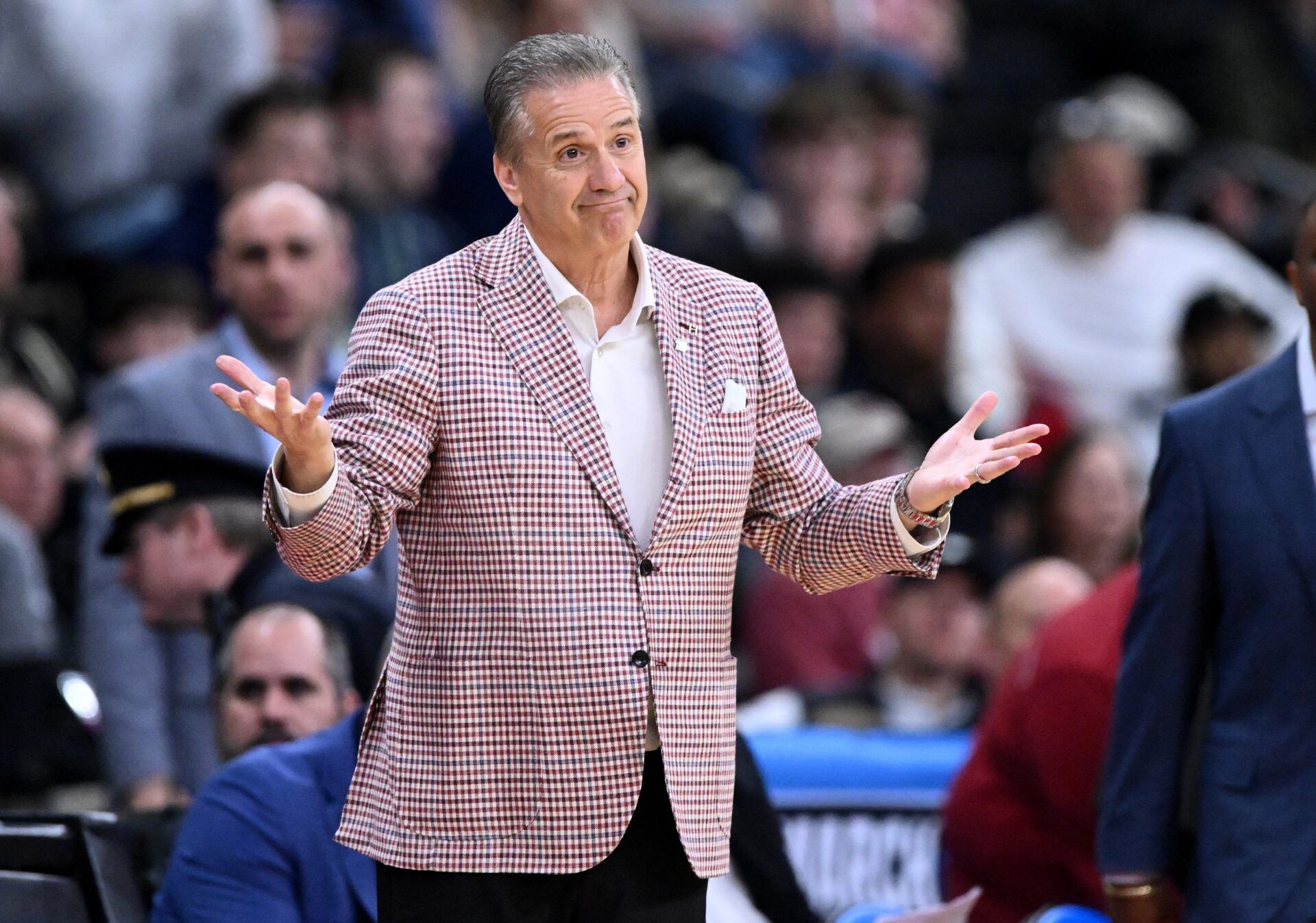
Kentucky head coach John Calipari showed his disapproval during a press conference this week, responding with a thumbs down when asked about expansion. “Don’t screw it up,” Calipari said. “Leave it alone. Leave it alone.”
Calipari’s opinion has not changed over the past year. In 2024, he had already voiced support for keeping the current format in place. “Keep it where it is,” he said. “Don’t mess with something that’s great.”
Michigan State head coach Tom Izzo has shared similar concerns. Speaking to ESPN in 2023 at the NBPA Top 100 Camp, he warned against diluting the tournament. “I just think it’s going to get watered down,” Izzo said.
“I worry about that a little bit. It wouldn’t bother me if they did that, but I do worry that if it gets watered down, it’s not good… I think 68 has been a pretty good number. I think you get enough good first-round games. That’s me,” he added.
Which Teams Would Benefit From NCAA Tournament Expansion?
If the NCAA Tournament expands, most of the extra spots would likely go to strong teams from major conferences that did not win their league but still had good seasons. This situation might reduce opportunities for smaller conference champions, who usually fill the lowest seeds, especially the 16-seed games in the First Four.
Right now, the First Four includes four teams: two small-conference champions seeded 16th, and two at-large teams seeded 11th or 12th. Some of those at-large teams have made deep runs. UCLA started in the First Four in 2021 and reached the Final Four. NC State did the same in 2023.
Keep Reading: Analyst Says John Calipari’s Latest Tease Reveals His True Feelings About 2025-26 Arkansas Roster
SEC commissioner Greg Sankey supports expansion, saying teams on the bubble deserve a shot.
“You could go ask my colleagues in the [automatic qualifier] conferences what should happen, and I’m certain they want that split to continue for life,” Sankey said. “But you’ve got some really, really good teams … that I think should be moved into the tournament.”
Any final decision will require approval from the NCAA Division I board, which is scheduled to meet in August.
