Super Bowl overtime operates differently from the regular season, and the rules create a strategic chess match that coaches still haven’t figured out.
Both teams are guaranteed at least one possession in playoff overtime, regardless of what happens on the opening drive. A first-possession touchdown no longer ends the game. The team that receives second knows exactly what it needs to win, tie, or extend play. That informational advantage has sparked legitimate debate among NFL coaches about whether winning the coin toss should mean taking the ball or kicking it away.

How Super Bowl Overtime Rules Work
The basics haven’t changed. A coin toss determines first possession, with the visiting team’s captain making the call. But the similarities to regular-season overtime end there.
Playoff overtime periods last 15 minutes, not 10. There’s no possibility of a tie. If the score remains deadlocked after the first overtime period, the teams play another overtime period. And another. And another, until someone wins.
Both teams must possess the ball at least once, except for a defensive score on the opening possession, which ends the game immediately. A pick-six or safety would crown a champion before the second offense ever touches the field.
After each team has had possession of the ball, standard sudden-death rules apply. Any score wins. Field goal, touchdown, safety. Game over.
Each team gets three timeouts per overtime half, and the replay booth handles all reviews. No coaches’ challenges allowed. If the game extends beyond two overtime periods, teams get a brief two-minute intermission before the next period begins. After four overtime periods, there’s another coin toss, and play continues until someone finally prevails.
The Coin Toss Decision Has Divided NFL Coaches
For decades, winning the overtime coin toss meant receiving the ball. The math was simple: first chance to score, first chance to win. Under the modified sudden-death rules in place from 2010 to 2021, coin toss winners prevailed in approximately 53% of overtime games, per NFL Research.
The 2022 rule change scrambled that calculus. When the 49ers won the Super Bowl LVIII coin toss, Kyle Shanahan chose to receive. His team kicked a field goal. The Chiefs responded with a game-winning touchdown. Patrick Mahomes never had to protect a lead. He attacked one.
After the game, the Chiefs admitted they wanted to kick. Knowing exactly what they needed to score gave Kansas City a playcalling edge on every down. Third-and-7 becomes more aggressive when a field goal keeps you alive. Fourth-and-short becomes automatic when a stop means you lose.
Ron Yurko, director of the Carnegie Mellon Sports Analytics Center, told NBC News the data still favors receiving first. “It’s still an advantage to take the ball at the start,” Yurko said. “It’s a smaller advantage than it was, but it’s still an advantage.”
The reasoning? If both teams score on their initial possessions, sudden death begins, and the team that received first gets the third possession. That’s a meaningful edge when the margin between winning and losing is one play.
But NFL analytics departments remain genuinely split. The 2025 regular season, which adopted the same both-teams-must-possess format, has seen coaches choose both strategies. Some want the ball. Others want the information.
Super Bowl Overtime History
Only two Super Bowls have required extra time in 59 years of the game’s existence. Both happened within the last decade.
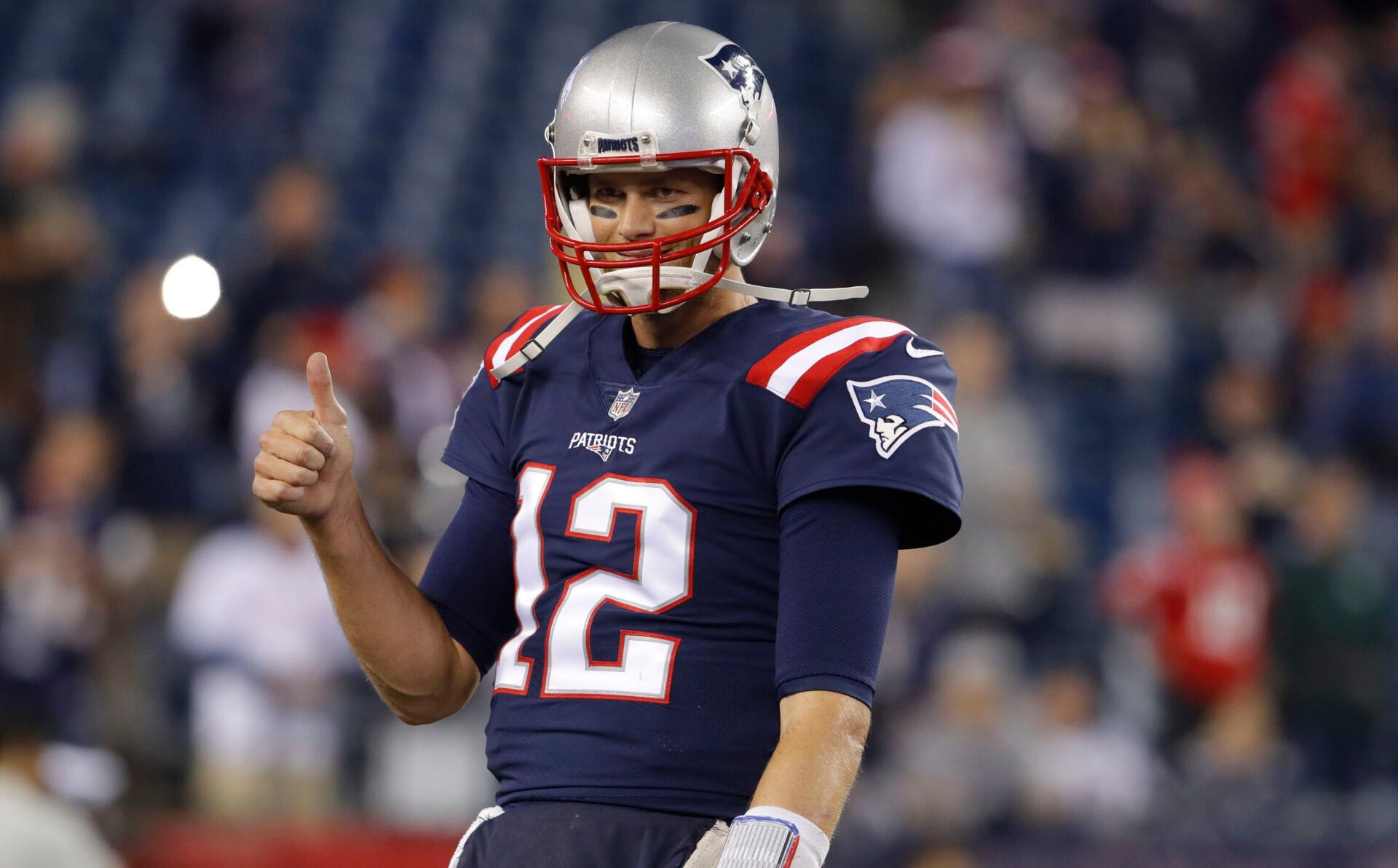
Super Bowl LI in February 2017 was the first, when the Patriots overcame a 28-3 deficit to beat the Falcons 34-28. Under the old sudden-death rules, New England won the coin toss, drove 75 yards, and scored a touchdown without Atlanta’s offense ever touching the ball in overtime. Tom Brady threw for 466 yards and earned his fourth Super Bowl MVP. The game remains the largest comeback in Super Bowl history.
Super Bowl LVIII became the second, with Kansas City’s 25-22 victory over San Francisco in Las Vegas. That game was the first Super Bowl played under the current rules, guaranteeing both teams a possession.
The 49ers’ field goal on the opening drive gave the Chiefs clarity: score a touchdown, win a championship. Mahomes converted a fourth-and-1 with an eight-yard scramble, gained 19 yards on another carry, then found Mecole Hardman for the winner.
The odds suggest Super Bowl 60 will end in regulation. Fifty-seven of 59 Super Bowls have. But if it doesn’t, both teams will know exactly what they’re playing for.