
It’s the time of year when dynasty rookie drafts are, for the most part, well in the rearview mirror, and decisions have to be made regarding the strength of your fantasy football roster. Those teams without the required strength to win could be looking to offload assets, while those looking to compete will be circling those assets like vultures.
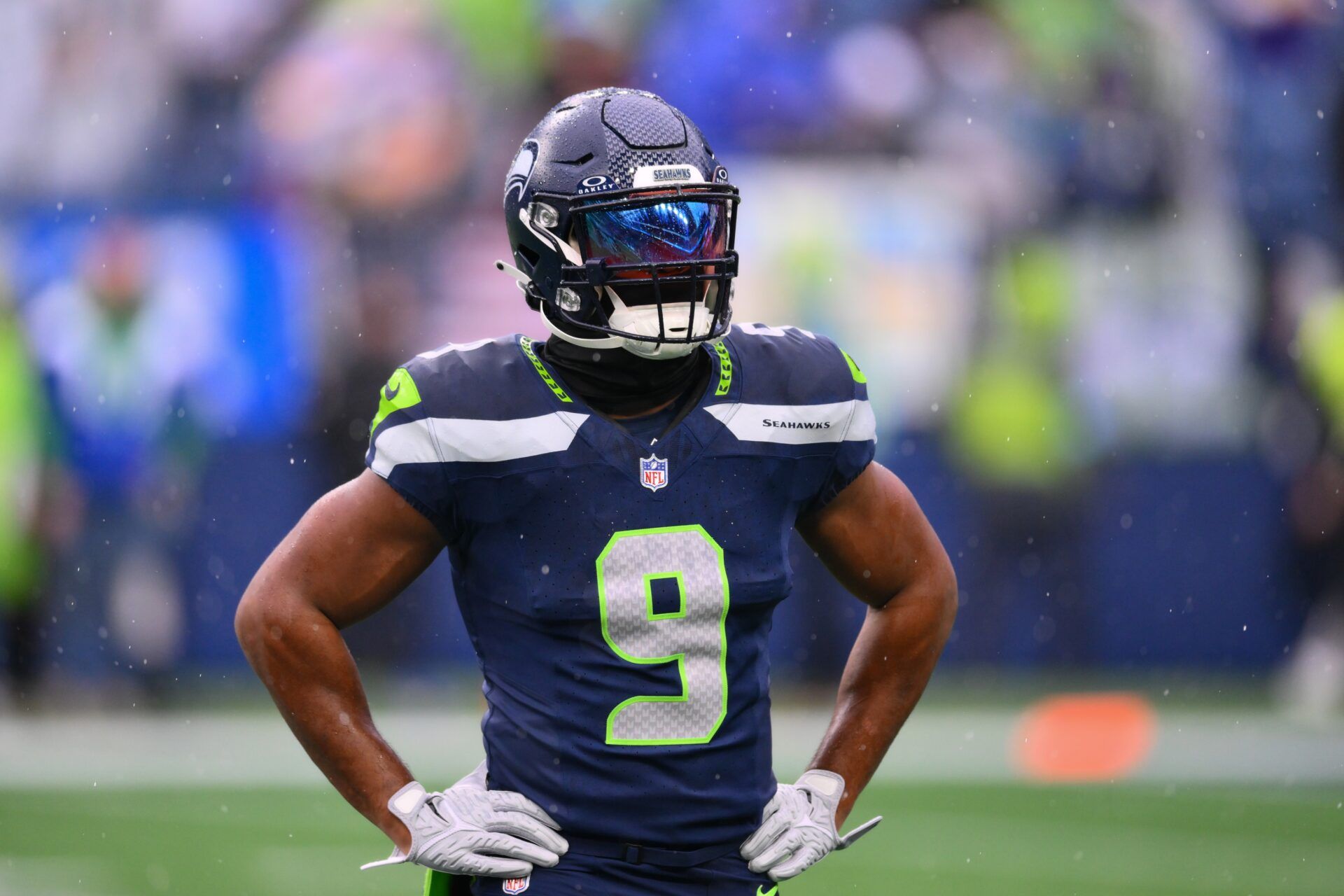
A player who seems to be splitting opinions in dynasty this year is Seattle Seahawks running back Kenneth Walker III. According to data from PFSN’s Fantasy Football Trade Analyzer, Walker is a player on the move this offseason.
Since the beginning of May, over 1,300 trades involving our users have included Walker, in some form or fashion. That total ranks second at the position and fourth overall, with 58.3% of those trades seeing him sent away.
Why Are So Many Fantasy Managers Making Trades Involving Kenneth Walker III?
The activity involving Walker is typical for a player in his position, with numerous variables factoring into the player’s perceived value. Walker is entering the final year of his rookie contract and has a young, talented running back behind him looking for more opportunities.
The fourth-year back, who was drafted No. 41 overall in 2022, also missed six games in 2024 due to injury concerns and is working with both a new quarterback and a new offensive coordinator this offseason.
Understanding Walker’s career trajectory helps explain the current trade volume. After a spectacular rookie campaign where he rushed for over 1,000 yards, Walker’s production has been inconsistent. His 2024 season was cut short when he was placed on injured reserve in late December with an ankle injury, limiting him to just 11 games and 573 rushing yards.
All of those factors give fans and fantasy managers plenty to disagree on, creating solid opportunities for trades. The lack of time remaining on Walker’s contract adds some urgency to the situation, as does the RB position’s reputation for volatility.
Dynasty managers understand that running back careers can shift dramatically from one season to the next, making Walker’s current window particularly crucial. At 24 years old, he’s less than 100 days older than Zach Charbonnet, yet both were second-round draft picks, and Charbonnet has an extra year to run on his rookie deal.
The 2023 second-rounder (No. 52 overall) represents a significant investment for Seattle. Neither player was drafted by head coach Mike Macdonald, so it wouldn’t be too surprising to see the team move on from Walker if he takes a dip in 2025.
KENNETH WALKER III GOES FLYING INTO THE ENDZONE ✈️ pic.twitter.com/tRaQrIFTtV
— NFL Fantasy Football (@NFLFantasy) September 8, 2024
Walker’s dynasty value also reflects broader concerns about Seattle’s offensive direction under Macdonald’s second season as head coach. The former Baltimore Ravens defensive coordinator brought his own vision to Seattle, and the team’s commitment to the ground game remains a question mark as it continues building its identity.
Walker is currently being drafted as the RB17 in redraft leagues, despite having only finished that high in one of his three NFL seasons (RB16 in 2022; half-PPR). His current high value, combined with the host of variables he faces in 2025, makes Walker an interesting trade piece this offseason.
Should Fantasy Managers Buy, Sell, or Hold Walker?
For any managers looking to compete in 2025, Walker is a high-level running back with significant upside when healthy. The Seahawks star put up five RB2 weeks and four RB1 performances over his 11 games in 2024 (full-PPR). At the right price, Walker is a great short-term trade target who could push teams over the edge as an RB2 or Flex in 2025.
Walker’s explosive ability remains undeniable when he’s on the field. His career includes multiple runs of 65+ yards, showcasing the game-breaking speed that made him a coveted prospect. Dynasty managers betting on his health and a bounce-back season could be rewarded handsomely, especially if Seattle’s offensive line improvements translate to better rushing opportunities.
For fantasy teams that already have Walker, the decision to hold or sell should come down, again, to your team’s chances of winning in the short term. Despite the variables, Walker should be considered key to your chances of winning a championship this year. One option for those unsure about holding him would be to trade for Charbonnet as insurance, allowing you to keep Walker’s upside while being covered for injury.
This handcuff strategy makes particular sense given the uncertainty surrounding Seattle’s backfield hierarchy. Charbonnet has shown flashes of brilliance and could easily step into a larger role if Walker struggles or gets injured. Smart dynasty managers might view acquiring both backs as a way to lock down Seattle’s rushing production regardless of how the situation unfolds.
Walker Is the Perfect Sell Candidate for Rebuilding Teams
Finally, for those who are a little way away from contending for a title, Walker is a perfect sell candidate this summer. As the current RB17, he holds a ton of short-term value in fantasy. Walker’s current value can be turned into long-term upside. At the same time, running back values can disappear in a flash, something that will happen to Walker if Charbonnet steps up in September.
Cashing in on Walker at a value that he hasn’t merited in two years is a no-brainer for a rebuilding team. Even if he’s outstanding this year, that could all be gone by the time your team is ready to compete for championships.
MORE: PFSN Fantasy Football Mock Draft Simulator!
A young receiver like Jordan Addison, who could face a suspension in 2025, would be an ideal player to target if trading Walker. The Minnesota Vikings’ third-year receiver has put up impressive numbers since being drafted No. 23 overall in 2023, recording 133 receptions for 1,786 yards and 19 touchdowns in his first two seasons. He should also still be around long after Walker’s value has diminished.
The key for rebuilding teams is recognizing that Walker’s current trade value likely represents his ceiling rather than his floor. Running backs who haven’t consistently produced RB1 numbers by their fourth season rarely break through to elite status, making this the optimal time to capitalize on his reputation and potential rather than his actual production.
