
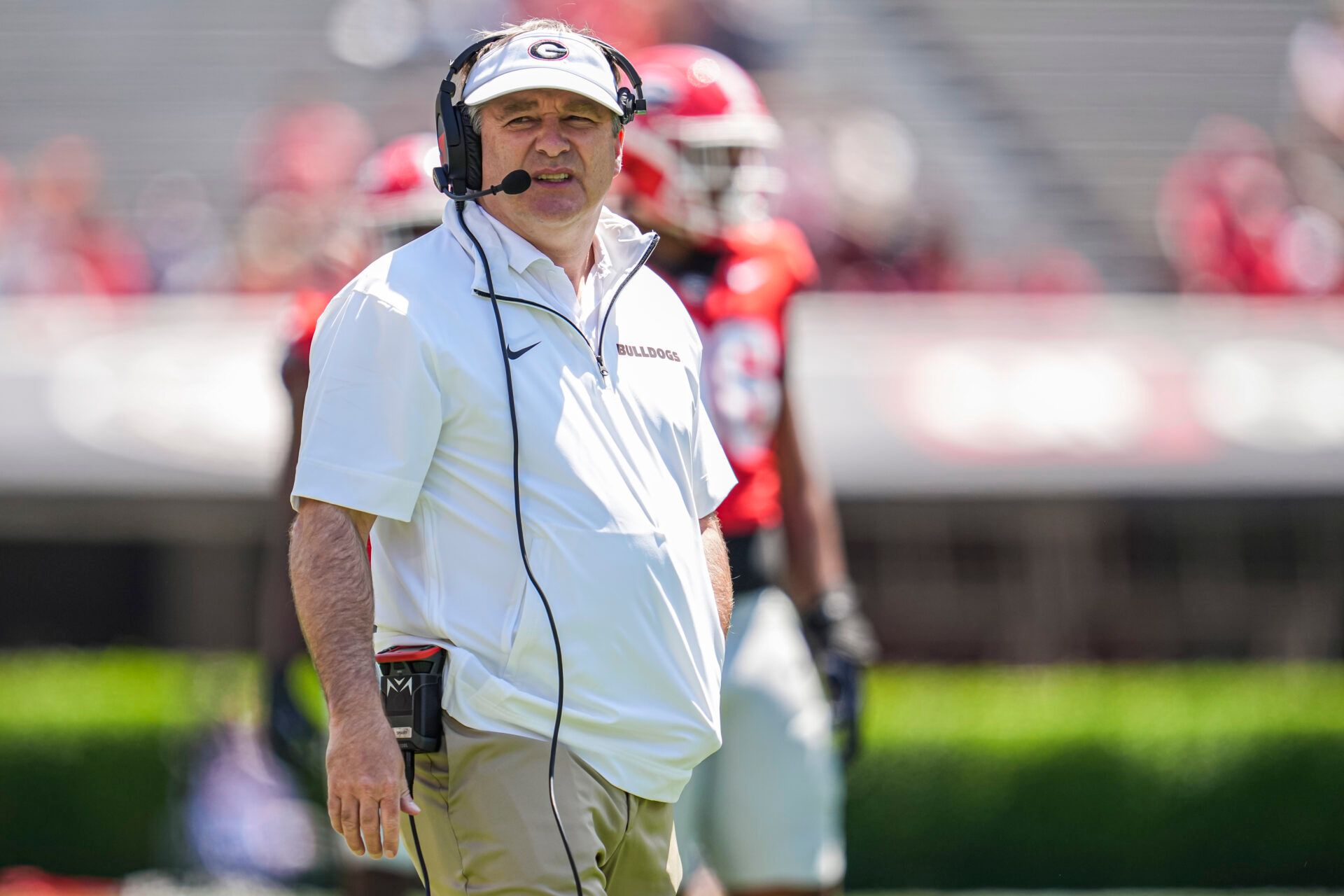
Coaching in college football comes with immense pressure, from managing massive salaries to meeting the demands of passionate fan bases and nonstop recruiting.
Despite their stature, an ESPN insider recently labeled them “the biggest pack of complainers in history.” That sentiment has gained traction, especially as networks like ESPN regularly spotlight coaches’ grievances over topics such as NIL, regulations, playoff structures, and poll rankings.

ESPN Insider Blasts College Football Coaches as Chronic Complainers
During a recent episode of the “GameDay Podcast,” ESPN’s Rece Davis and senior writer Dan Wetzel unpacked the increasingly contentious landscape of college football, highlighting what Wetzel described as the sport’s most defining characteristic: persistent complaining by its coaches.
Wetzel did not mince words, calling them “the biggest pack of complainers in history.” He emphasized that despite preaching resilience to players, coaches often fail to practice what they demand.
“The number one thing coaches’ favorite thing to do is preach that you should overcome adversity, and then they complain about adversity,” Wetzel said.
The conversation centered around the College Football Playoff selection process and the growing influence of the NIL era. Wetzel questioned the committee’s weekly ranking releases, suggesting they be delayed until the season’s end.
“I don’t know that they should really be ranking every week,” he said. “They should just do it one at the end… there’s a holistic view at the end and you say, ‘Okay, what do we have?’”
He noted that while debate is part of the spectacle, overreactions often dominate the narrative.
“I thought the reaction was over the top. I did not think this was egregious,” Wetzel added, referring to committee decisions that stirred backlash.
He also pointed to the recurring distrust among coaches as a major contributor to the cycle of outrage and paranoia.
RELATED: NCAA To Consider Allowing College Athletes, Staff To Bet on Pro Sports in Controversial New Proposal
“There is a fundamental lack of trust,” Davis noted. He explained that coaches operate in a zero-sum world, where job security often hinges on winning key recruiting battles.
“I don’t know for sure that Pete’s not going to bend the rule. And if Pete bends a rule and gets the recruit that I have to get and I don’t get him, then I’m going to lose and I’m going to lose my job,” Davis said. Wetzel added, “They complain about what they can’t control and they are paranoid beyond belief.”
Wetzel argued that this intense, winner-take-all environment makes football unique even among high-stakes industries.
“I win, you lose. Other businesses, we can both win… It’s still not football,” he said. He acknowledged the role that relentless competition plays in fueling not just the drama of the sport, but its appeal. “It’s a feature of the sport, it’s not a bug. I love it,” he said. “It drives the sheer insanity that gives us a living and gives us a lifetime of enjoyment.”
For Wetzel, the endless griping isn’t just noise; it’s emblematic of a culture that thrives on pressure, distrust, and survival.
