
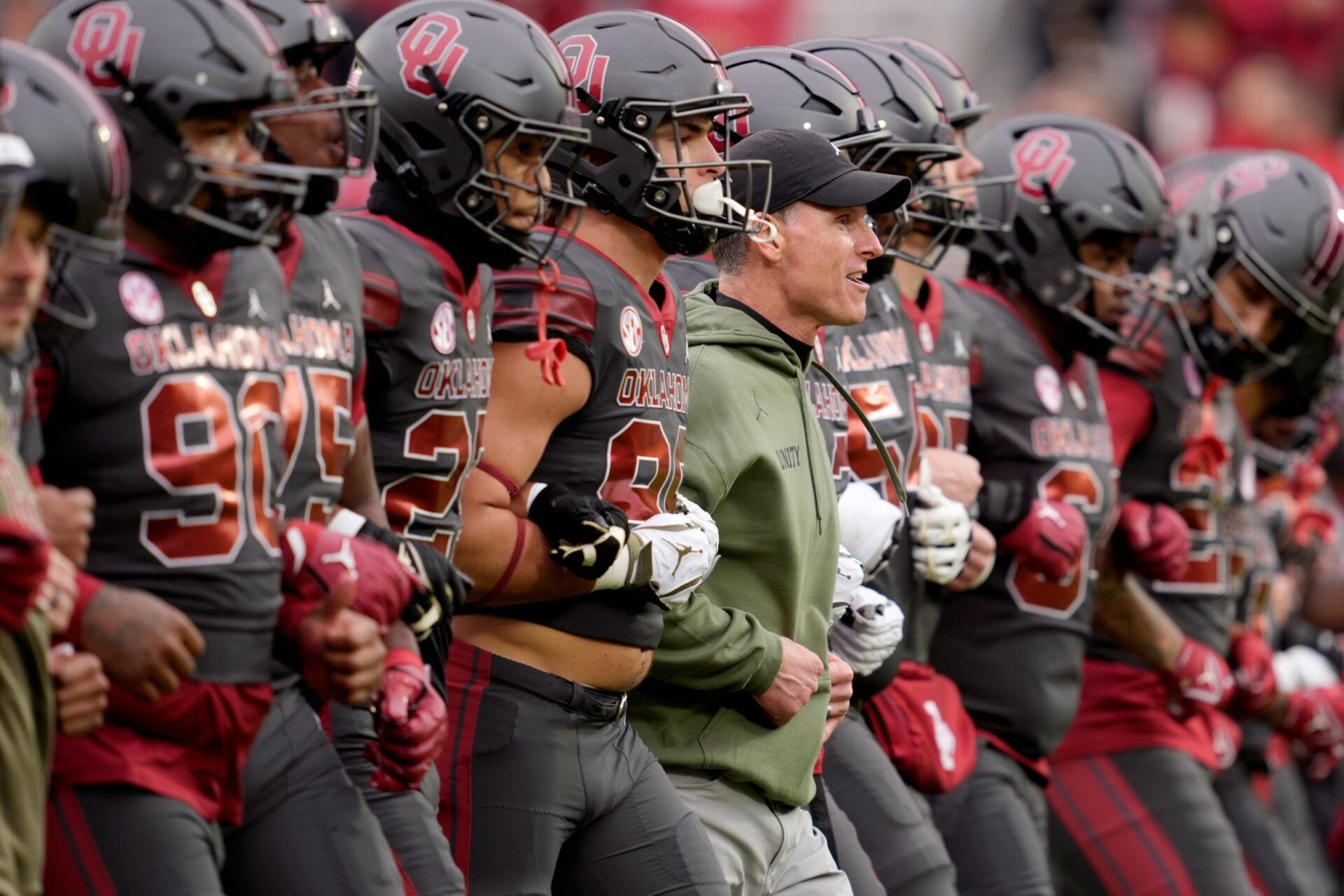
In the quietest way possible, college football games on Black Friday became an American holiday viewing staple. Although the NFL dominates Thanksgiving and Saturday showcases college football’s biggest matchups, Black Friday has steadily established itself as an integral part of the football viewing tradition. What factors contributed to Black Friday games becoming such a key part of this annual experience?
Local Animus on a National Scale: The History of Black Friday Football
For most Americans, the Friday after Thanksgiving is known for leftovers and shopping on the busiest retail day of the year. Yet, over the past few decades, it has also become must-watch television for football fans. This shift highlights how Black Friday games have become increasingly important in the sports calendar.
The first nationally publicized Black Friday game occurred on November 29, 1974. That day, second-ranked Alabama defeated rival Auburn, 17-13. Bear Bryant’s Crimson Tide finished the regular season 11-0 before losing to Notre Dame in the Orange Bowl.
This week, 13 games dot the schedule, with many possessing postseason significance. For example, the annual renewal of hostilities known as the Egg Bowl pits Ole Miss against Mississippi State.
For the Rebels, this game could be the most pivotal in recent memory. First, with a win, Mississippi all but guarantees a spot in the College Football Playoff. Equally important, head coach Lane Kiffin is expected to announce his future plans by the next day.
Meanwhile, in Atlanta, the University of Georgia and Georgia Tech will line up for the 119th time in the game labeled as “Clean, Old-Fashioned Hate.” According to PFSN’s Defensive Impact rankings, UGA boasts the 24th-strongest defense in college football, allowing 17.4 points per game along the way. On the other hand, the Yellow Jackets hope that quarterback Haynes King can keep their CFP hopes alive with the upset.
Like the Bulldogs and Georgia Tech, Texas and Texas A&M need to win their game for the exact same reason. Texas cannot afford another loss if they want to make the playoffs. For the Aggies, the cost of a loss is two-fold. While they will probably still make the playoffs, they could lose a bye. On a lesser level, they don’t want to drop a game to their most despised foe.
Black Friday football has become an institution, reflecting both cultural and entertainment trends. Networks and conferences recognize that most people are off work, creating an opportunity for strong afternoon or evening viewership. For fans, the significance of these games lies not just in playoff implications but in the unique tradition that Black Friday football now represents.
