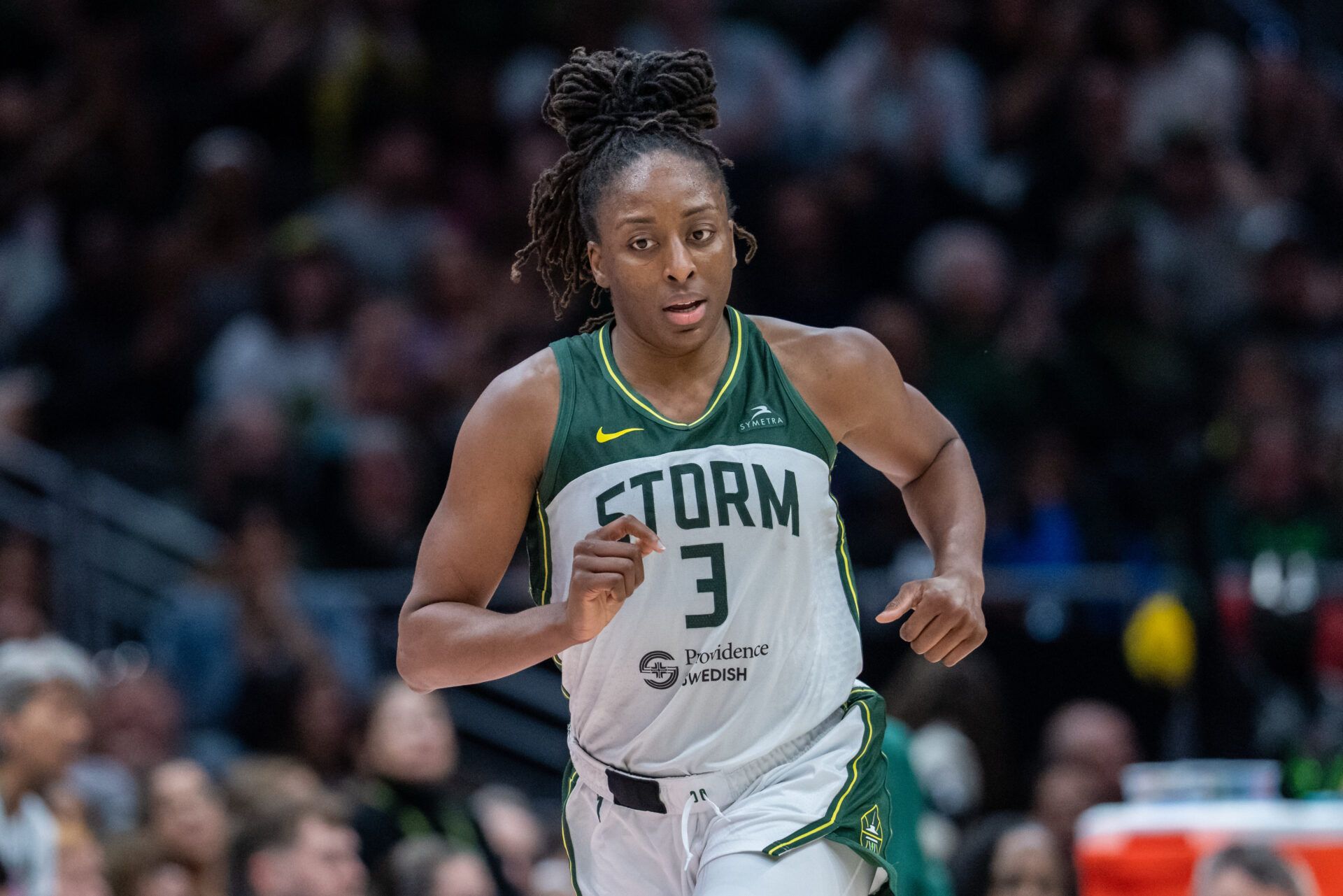
WNBA Players Association president Nneka Ogwumike publicly criticized the league’s handling of ongoing collective bargaining agreement negotiations. She called the WNBA’s response to the union’s proposal concerning, as talks remain stalled.
Nneka Ogwumike Criticizes WNBA’s Approach to Resolving CBA Negotiations
Annie Costabile reported in Front Office Sports that Ogwumike addressed the situation during a phone interview from the LPGA Women’s Leadership Summit in Orlando, expressing frustration with the league’s refusal to formally engage with the union’s latest proposal.
“It’s not a constructive way to continue on these negotiations, especially considering the timeline that we’re in,” Ogwumike told Front Office Sports. “To give the excuse that our proposal was not adequate is concerning.”
Reportedly, the WNBA chose not to respond because it believes the contents of the WNBPA proposal did not warrant engagement. ESPN later reported that the league is instead waiting for what it considers a more “realistic” offer from the union.
The comments come as CBA negotiations remain in a prolonged “status quo” period after the Jan. 9, 2026, opt-out deadline passed without a new agreement. The sides had twice extended the 2020 CBA in late 2025, but remain far apart on core economic issues.
At the center of the dispute is revenue sharing. The WNBPA is seeking 30% of gross revenue and approximately a $10.5 million salary cap.
The league has pushed back strongly, warning that such terms would result in approximately $700 million in losses over the life of the agreement, according to ESPN.
The WNBA has argued that it must prioritize sustainable growth and avoid financial instability, even as player salaries rise. League officials have described the union’s proposal as unrealistic given the league’s current financial structure.
Negotiations have been tense for months. The situation escalated during the 2025 All-Star Game, where frustrations became more public. Two days before the event, the WNBPA and league officials met for the first time since December 2024 in a two-hour session that drew the largest in-person player turnout in union history.
Earlier reporting by Front Office Sports indicated that one league proposal included a supermax salary of approximately $850,000 and a veteran minimum near $300,000.
That offer was deemed insufficient by players because it lacked formal revenue sharing, which the union has consistently identified as its top priority.
On Nov. 18, the Associated Press reported that the WNBA later made a significantly revised proposal. That offer included revenue sharing, a maximum salary exceeding $1.1 million, and annual increases throughout the deal.
The proposal also featured a league minimum salary above $220,000 and an average salary of more than $460,000, starting in the first year.
Despite those developments, the sides remain deadlocked. As a pressure tactic, WNBPA players voted on Dec. 18 to grant union leadership the authority to call a strike if necessary, though no action has been taken.
Meanwhile, the league released its 2026 schedule on Jan. 21, including expansion teams and a highly anticipated Caitlin Clark–Paige Bueckers opener on May 9. However, free agency and the draft remain delayed.
With both sides entrenched and public rhetoric sharpening, the risk of a lockout or strike continues to loom as the WNBA enters a critical period for its future.
