
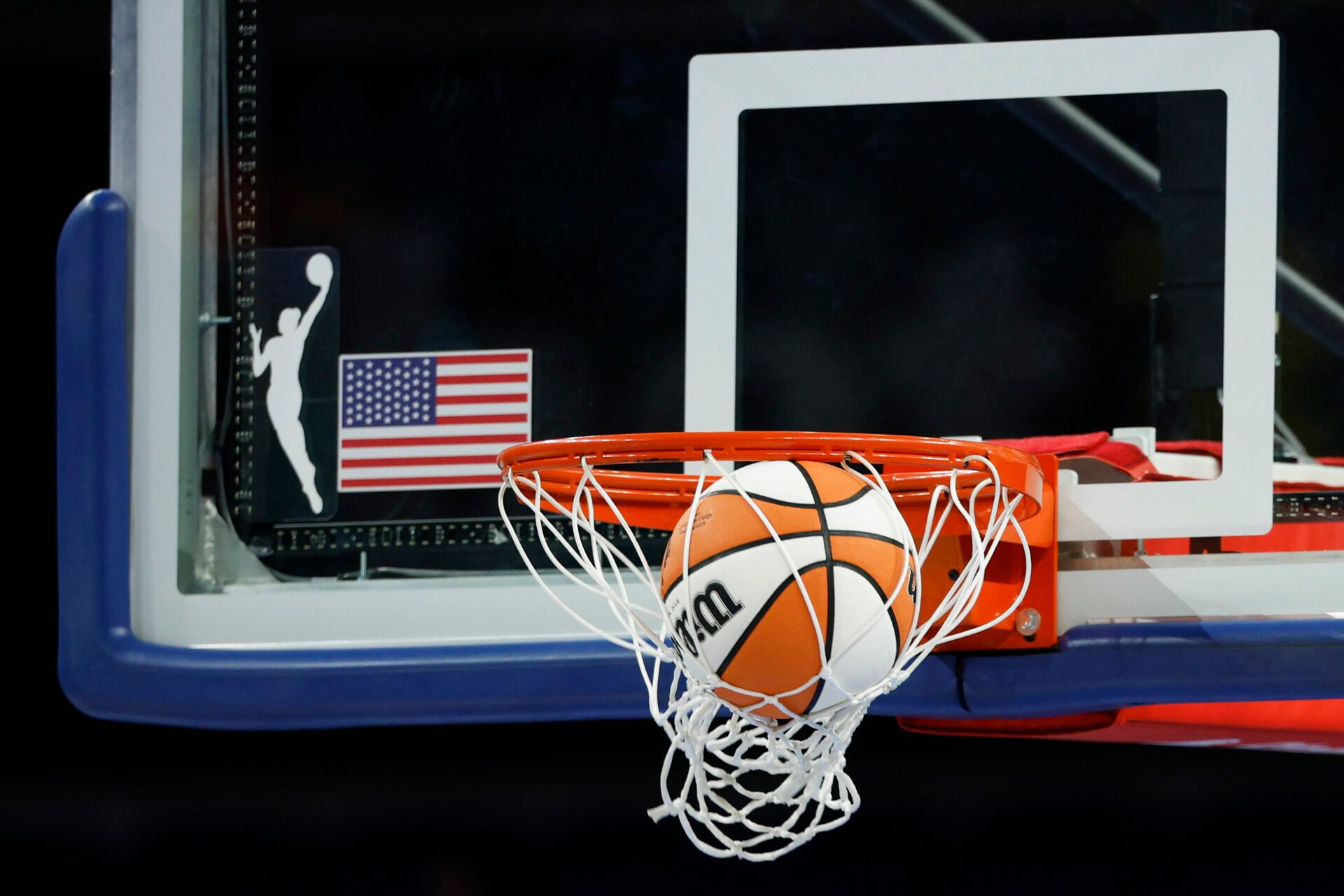
Recently, MLB made major changes to where its games are broadcast. This shift, which affects ESPN, opens the door for the WNBA to gain a premium weekend spot.
WNBA Games Will Replace Sunday Night Baseball
In November 2025, MLB announced changes to its broadcasts. Starting this upcoming season, NBC will resume regularly airing games for the first time in more than two decades. As part of the new media rights deal, “Sunday Night Baseball” is officially moving to NBC and will no longer air on ESPN. ESPN will still show games, but not on weekends.
While this ends a three-decade tradition, it begins something new for women’s sports. Replacing Sunday Night Baseball on ESPN’s weekend schedule is “Women’s Sports Sundays,” featuring WNBA and NWSL games.
Sunday Night Baseball will be replaced by WNBA & NWSL games in what ESPN is dubbing “Women’s Sports Sundays'”
— Andrew Marchand (@AndrewMarchand) February 19, 2026
Capping the week for ESPN will now be a doubleheader of women’s basketball and soccer, capitalizing on the growth of women’s sports in recent seasons. According to ESPN, the network will air women’s basketball and soccer over the summer for nine consecutive weeks. More details will be revealed later.
“‘Women’s Sports Sundays’ represents a bold commitment to incomparable competition, consistency, and storytelling, establishing women’s sports as the main event on Sunday nights,” an ESPN press release read. “Across nine consecutive weeks and 12 games, ESPN will deliver a premium viewing experience that invites longtime fans and newcomers alike into a reimagined summer primetime tradition. Women’s sports are for everyone, and more accessible than ever.”
The WNBA has grown in popularity in recent years, thanks to the arrival of new talent. Players like Caitlin Clark and Angel Reese have brought significant attention to the league. New fans, along with longtime followers of the game, have also begun paying closer attention to other teams and talent across the league.
This growth extends beyond viewership and media coverage; the league itself has expanded steadily. Last season, it grew from 12 teams to 13 with the addition of the Golden State Valkyries. That change also increased the number of games per team from 40 to 44.
The 2026 season will mark the debut of two additional franchises: the Toronto Tempo and the Portland Fire. In 2028, Cleveland will join, followed by Detroit in 2029 and Philadelphia in 2030, bringing the total to 18 teams.
Despite adding two new teams this season, the league will maintain the 44-game schedule used last year. However, the likelihood of an increase is high once the other expansion teams join.
