
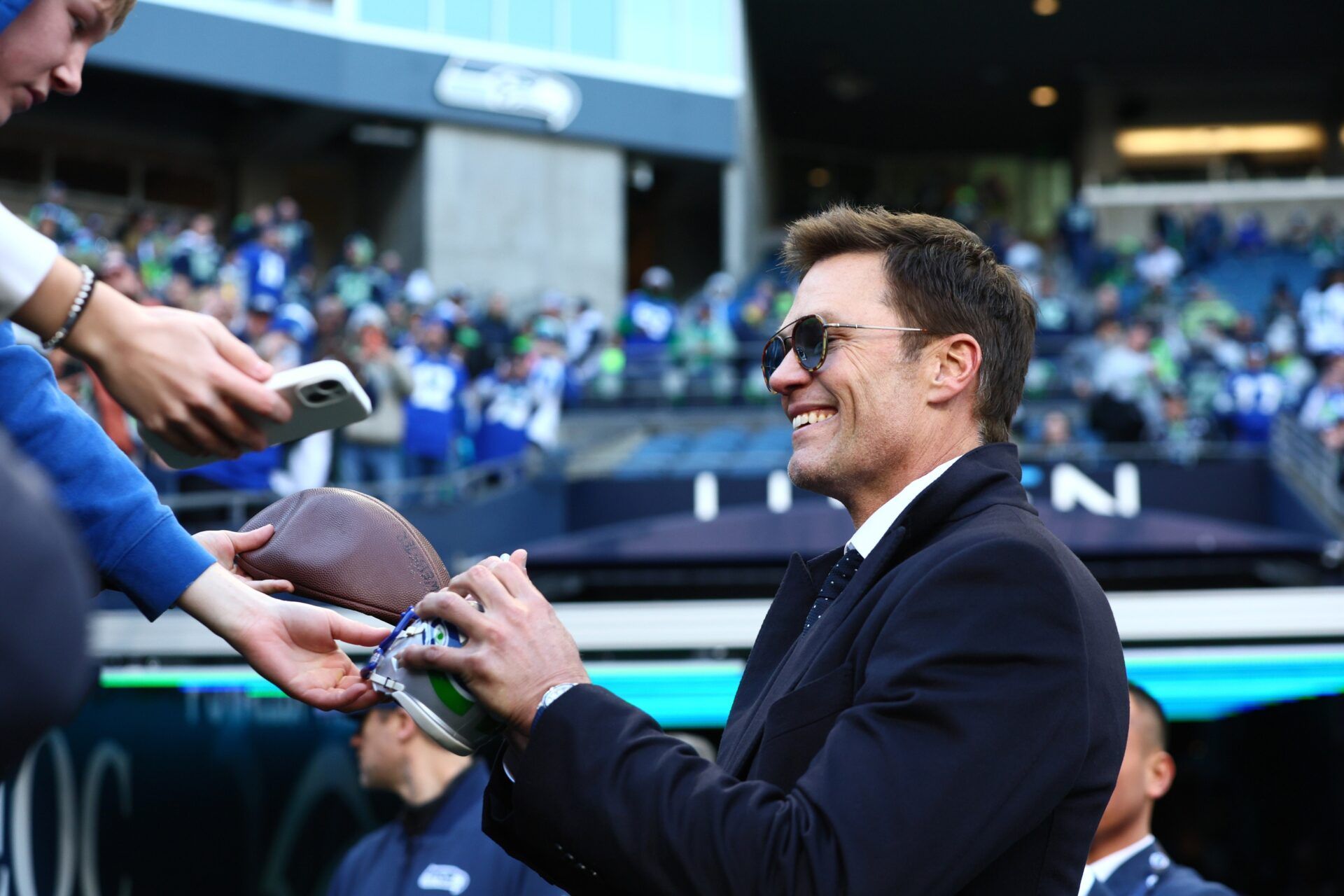
Tom Brady’s exit from the New England Patriots in 2020 ended a 20-year run that reshaped both the franchise and the NFL. After two decades tied to Bill Belichick, six Super Bowl wins, and a sustained standard of dominance in the AFC, Brady chose to test himself somewhere else.
That decision sent him to Tampa Bay, where he closed out his playing career with another Lombardi Trophy and set up a post-retirement chapter that now spans broadcasting, minority ownership with the Las Vegas Raiders, and new roles in the health and wellness space.
Reasons Behind Tom Brady’s Patriots Split
Brady’s time in New England officially ended in March 2020, when he announced he would not re-sign with the Patriots and instead agreed to join the Tampa Bay Buccaneers. The move followed a 2019 season that still produced 12 wins but exposed offensive issues and raised questions about how much longer the partnership with Belichick would last.
After 20 seasons together, the quarterback and coach had reached a point where the only remaining unknown was how each would fare without the other.
Several strands came together in the decision. Contractually, Brady had spent recent years on shorter, incentive-laden deals that left him feeling underpaid relative to market value and his resume. He had also pushed for more security and roster investment around him, with mixed results.
On the field, the Patriots were coming off a home playoff loss to Tennessee that highlighted the limitations of an aging offense and a skill group that struggled to separate against top defenses.
There were also relationship and philosophy factors. Reports from that period describe a long history of hard coaching that, over time, wore Brady down, along with friction over the handling of his potential successor, Jimmy Garoppolo, and over access for his trainer and business partner, Alex Guerrero, inside the building.
Publicly, both sides stayed respectful, but the underlying tension over how much say Brady should have in personnel and how long the organization should tie itself to a quarterback entering his 40s never fully disappeared.
When Brady chose to leave, it was framed as a calculated gamble. He walked away from a system, staff, and division he knew better than anyone in exchange for the chance to prove he could win elsewhere.
The result was immediate. In Tampa Bay, he led the Buccaneers to a Super Bowl LV victory in his first season there, then played two more years before announcing his retirement from the NFL for a second and final time in early 2023.
Tom Brady Became Part Owner of the Raiders and a Broadcaster After His NFL Retirement
After retiring, Brady moved into a dual role that keeps him close to the league. On the media side, he stepped into the lead analyst chair for FOX’s top NFL broadcast team. That job put him in the booth for marquee regular-season games and playoff assignments, with his weekly schedule built around film study, production meetings, and on-air work.
“My preparation is very much centered around what I have to do in broadcasting,” Brady told Andrew Marchand of The Athletic, describing how his focus shifted from executing game plans to explaining them.
ALSO READ: How to Stream Super Bowl 60 for Free: Complete Guide If You Don’t Have Peacock or Cable
At the same time, Brady pursued ownership. He agreed to become a minority owner of the Las Vegas Raiders, a role that required league sign-off and positioned him as a strategic voice alongside owner Mark Davis and general manager John Spytek.
The Raiders have presented him as part of the group shaping the club’s direction, particularly around big-picture football decisions. Brady has spoken openly about what that opportunity represents.
“I love, obviously, having a chance to be involved with the Raiders. To be a former player and have a minority ownership is like a dream come true,” he said. “I couldn’t afford to pay to be a general partner. I did very well in my career. It’s awesome to kind of help shape and strategize and be a visionary for a team. I love being involved in football.”
Those responsibilities have coincided with difficult results on the field for Las Vegas, including a 3-14 season that drew scrutiny of the franchise’s overall setup and of the extent of Brady’s influence as an owner without front-office experience.
Coverage around the league has questioned whether the Raiders leaned too heavily on his instincts early in his tenure as owner and how he balances that role with his national broadcasting platform.
Brady’s post-Patriots life now spans three main lanes: a final playing chapter and Super Bowl win in Tampa, a prominent seat in the FOX broadcast booth, and a minority ownership stake in the Raiders, supplemented by health-focused executive roles that build on his reputation for longevity and preparation.
