
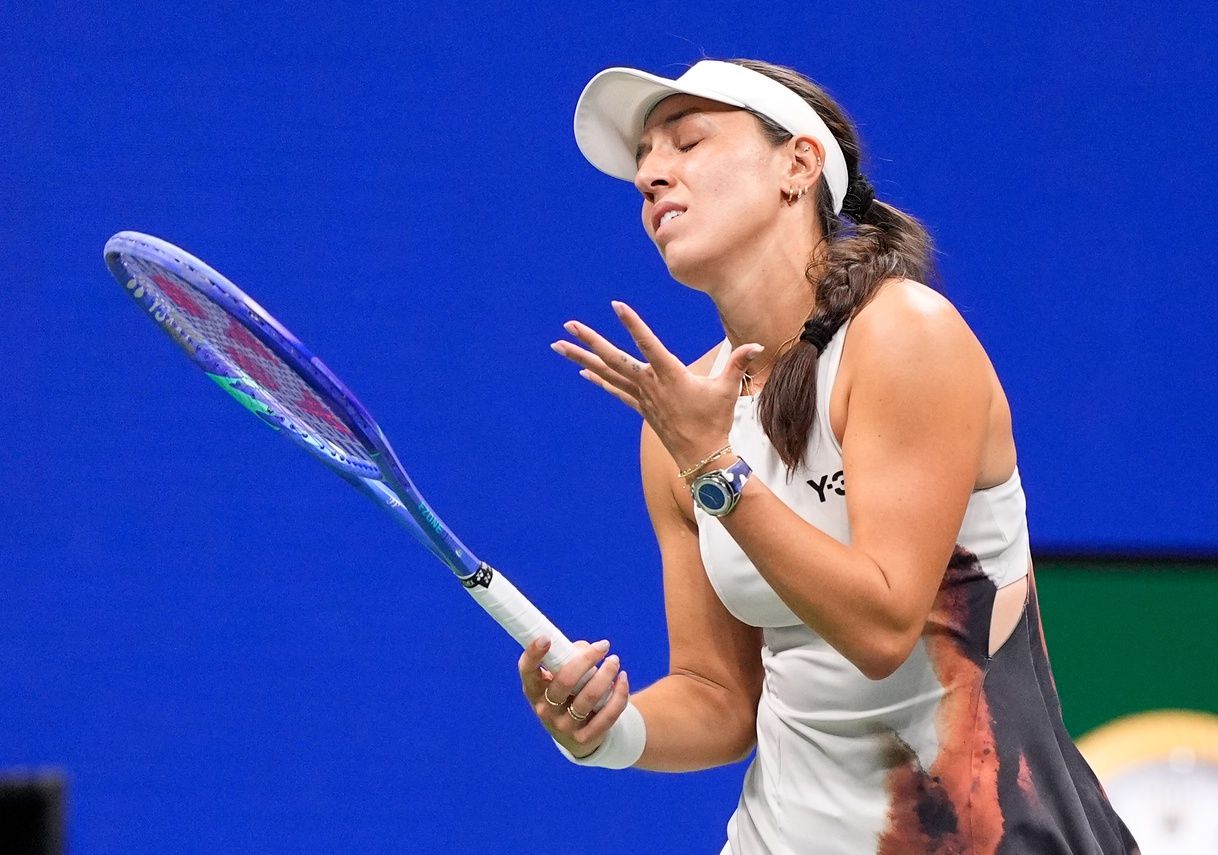
Anxiety over the uncertainty of anti-doping procedures is prompting top players to adopt ever-more meticulous routines. Jessica Pegula, known for her thorough approach to supplement tracking, has revealed how the opaque nature of notifications and potential provisional suspensions can weigh heavily on competitors’ minds.
Her candid reflections underscore the hidden pressures athletes endure beyond match play.

What Did Jessica Pegula Say About the ‘Stress’ Regarding the Doping Tests?
Iga Świątek and Jannik Sinner both faced provisional suspensions after testing positive for prohibited substances, though neither was found to have acted intentionally. In Świątek’s case, a one-month ban stemmed from trimetazidine detected in a supplement; the substance, later traced to a contaminated melatonin product, led an independent tribunal to clear her of significant fault and lift the suspension in October 2024.
Sinner’s three-month suspension resulted from trace amounts of clostebol transferred via a medicated cream applied by his physiotherapist; WADA and his team agreed to a resolution that credited time already served under provisional suspension. Neither player was found to have intentionally doped, yet both endured significant public scrutiny and online criticism.
During her recent appearance on The Player’s Box podcast with Madison Keys, Pegula reflected on these cases, saying,
“If you’re taking anything, I’m like super diligent, Advil, Tylenol, like I list everything because you don’t know, you see all these stories, and I just get super paranoid. It’s just so stressful, and then you don’t know, they don’t send you, like, ‘Oh, you’re clean.’ You would only get notified, I’m assuming, if you failed. So it’s stressful.”
Jess spoke about the doping test and the fear of having a case like Sinner and Swiatek :
« I list everything, you see all these stories and I just get super paranoid, it’s so stressful. You don’t know right after (the test) if you’re clean or not » 🤷🏻♀️ pic.twitter.com/TDQJftvoMq
— Camille (@tenniscamfr) October 14, 2025
Her comments underscore how even unintentional violations can cast long shadows over players’ careers and mental well-being. It illustrates the strict nature of tennis anti-doping rules, under which players bear full responsibility for any prohibited substances found in their bodies.
Sinner and Świątek’s Test Consequences
Świątek’s positive test for trimetazidine in August 2024 was linked to a contaminated melatonin supplement, recognized as a regulated medication in Poland but not elsewhere. Following her successful appeal, she served the remainder of her one-month sanction and participated in the WTA Finals and the Billie Jean King Cup.
Sinner’s March 2024 tests detected trace clostebol, an anabolic steroid, which was transferred during a massage by his physiotherapist using a medicated cream. An independent tribunal initially cleared him of intent, but WADA negotiated a three-month suspension effective from February to May 2025.
Amid this backdrop, Pegula recently reached the final of the 2025 Wuhan Open, where she fell 6-4, 7-5 to Coco Gauff in an all-American showdown. She broke Aryna Sabalenka’s impressive unbeaten streak in the semifinals, beating the World No. 1 in three sets.
Looking ahead, Pegula is scheduled to play the Pan Pacific Open in Tokyo, aiming to consolidate her ranking ahead of the year-end WTA Finals in Riyadh.
