
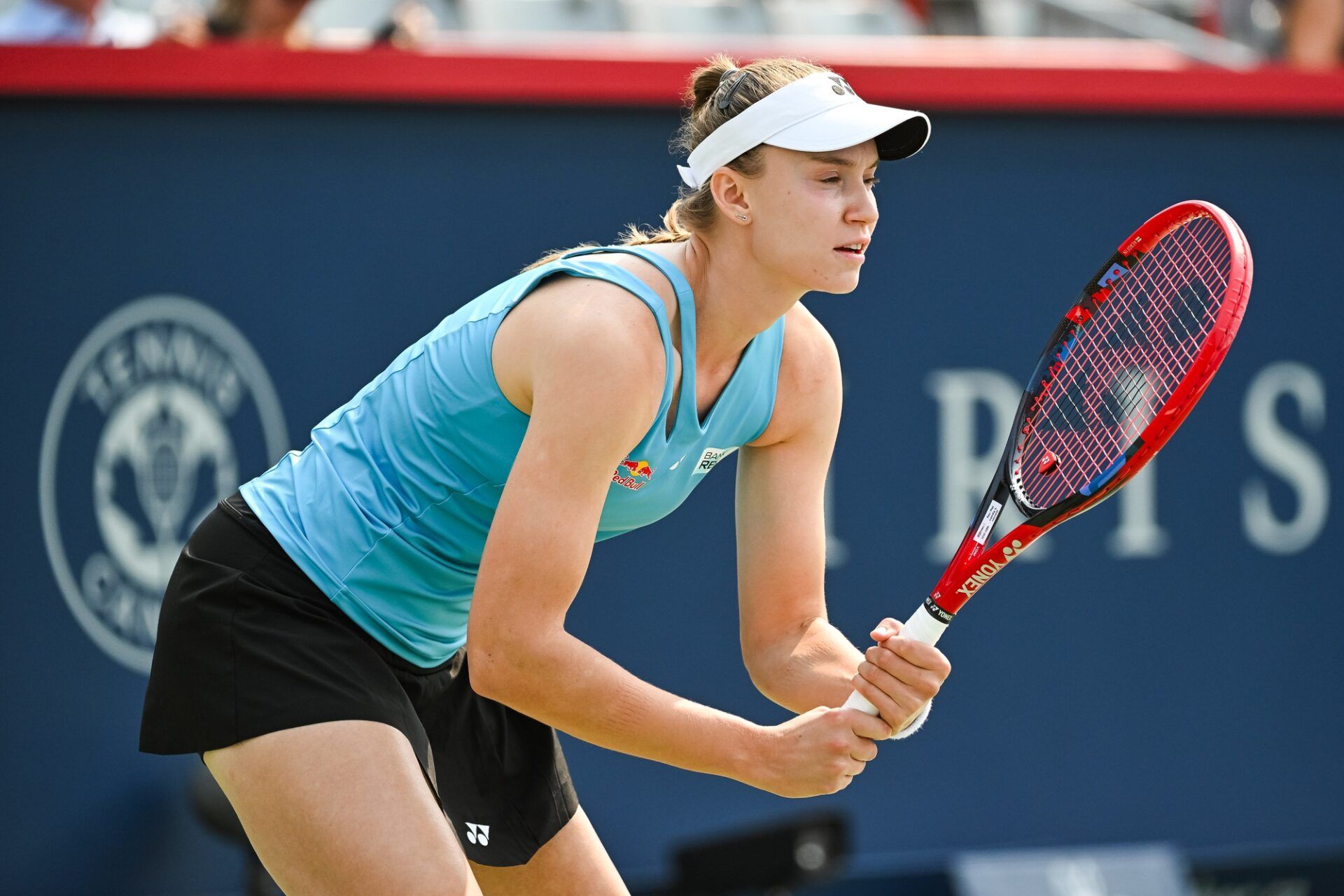
Elena Rybakina stands at a crossroads that could define her tennis legacy. After turbulent coaching changes and the ban of her longtime mentor, she’s betting everything on a calculated two-year plan with Davide Sanguinetti. The goal? Nothing less than the world No. 1 ranking. But can this methodical approach deliver the championship consistency she desperately needs?

How Will Davide Sanguinetti’s Two-Year Partnership Plan Transform Elena Rybakina?
Sanguinetti brings a refreshing sense of structure to Rybakina’s chaotic coaching situation. His approach centers on patience and measured progress, starkly contrasting the uncertainty that has defined her recent career.
“At the moment I’m a sort of ferryman,” he explained, describing his role since joining her team in February without any prior foundation to build upon. However, this clean slate approach might be precisely what Rybakina needs.
The Italian coach wasted no time establishing clear expectations. He sat down with Rybakina to discuss her accomplishments and mapped out concrete goals for their partnership. This systematic approach represents a major shift from the instability she’s experienced.
“I asked her for two years of collaboration because I have my own working method,” Sanguinetti stated. His timeline is ambitious yet realistic, breaking down the journey into manageable phases that build on each other.
“In the first year I would like to maintain the status quo, maybe finish at number six in the rankings, and next year I would like to take her to number one in the world: she has all the potential,” he added.
Davide Sanguinetti gave a interview to Super tennis, italian media.
He gave some answers about italy.
Here the question about Elena Rybakina :
Look like he has a 2 year contract with Elena.
Goal in 2025 : 6th in rankings
Goal in 2026: Number 1.#WTA pic.twitter.com/WrrOXtcSMT— Sebastien G. (@sebsharfam2) August 4, 2025
This methodical strategy emphasizes gradual development while maximizing Rybakina’s existing strengths. Rather than overhaul everything at once, Sanguinetti is creating a foundation to support sustained success. The plan acknowledges that reaching the top requires more than raw talent, it demands consistent execution and mental fortitude.
Why Did Elena Rybakina’s Coaching Changes Become So Critical?
The ban of Stefano Vukov sent shockwaves through Rybakina’s camp and forced her into an unexpected transition period. Vukov had been instrumental in her rise to prominence, guiding her to the 2022 Wimbledon title and helping establish her as a legitimate contender on the WTA tour.
His sudden suspension by tennis authorities left Rybakina without her longtime coaching partner at a crucial moment in her career. The timing couldn’t have been worse, as she was looking to build momentum and consistency in the upper echelons of women’s tennis.
This coaching upheaval brought challenges that extended far beyond tactical adjustments. Managing the pressures of professional tennis at the highest level becomes exponentially more difficult when your support system is disrupted. The mental aspect of competition often suffers when athletes lose their trusted advisors.
Rybakina responded by quickly pivoting to Sanguinetti, who joined her team in February 2025. This decision represented more than just filling a vacancy; it signaled her commitment to moving forward rather than dwelling on past disruptions.
Elena Rybakina has added Davide Sanguinetti to her coaching staff.
He is with her here in Abu Dhabi and in communication with Stefano Vukov, who is still provisionally suspended by the WTA as they investigate alleged breach of Code of Conduct. pic.twitter.com/qVnlYES1NB
— Reem Abulleil (@ReemAbulleil) February 2, 2025
The coaching change represents a fundamental shift from a proven partnership to a fresh approach. Where Vukov brought familiarity and established routines, Sanguinetti offers innovation and long-term strategic thinking. This transition period will test Rybakina’s adaptability and mental resilience.
Despite the off-court turbulence, Rybakina’s performance remains solid. She holds a career-high ranking within the top ten and has collected five WTA singles titles. These achievements demonstrate her ability to compete at the highest level despite external distractions.
Her choice to work with Sanguinetti, known for his systematic coaching philosophy, reveals her preference for stability and long-term planning. Rather than seeking quick fixes, she’s embracing a methodical approach, prioritizing steady improvement over dramatic short-term changes. This decision could prove pivotal in determining whether she can finally break through to claim her first world No. 1 ranking.
