
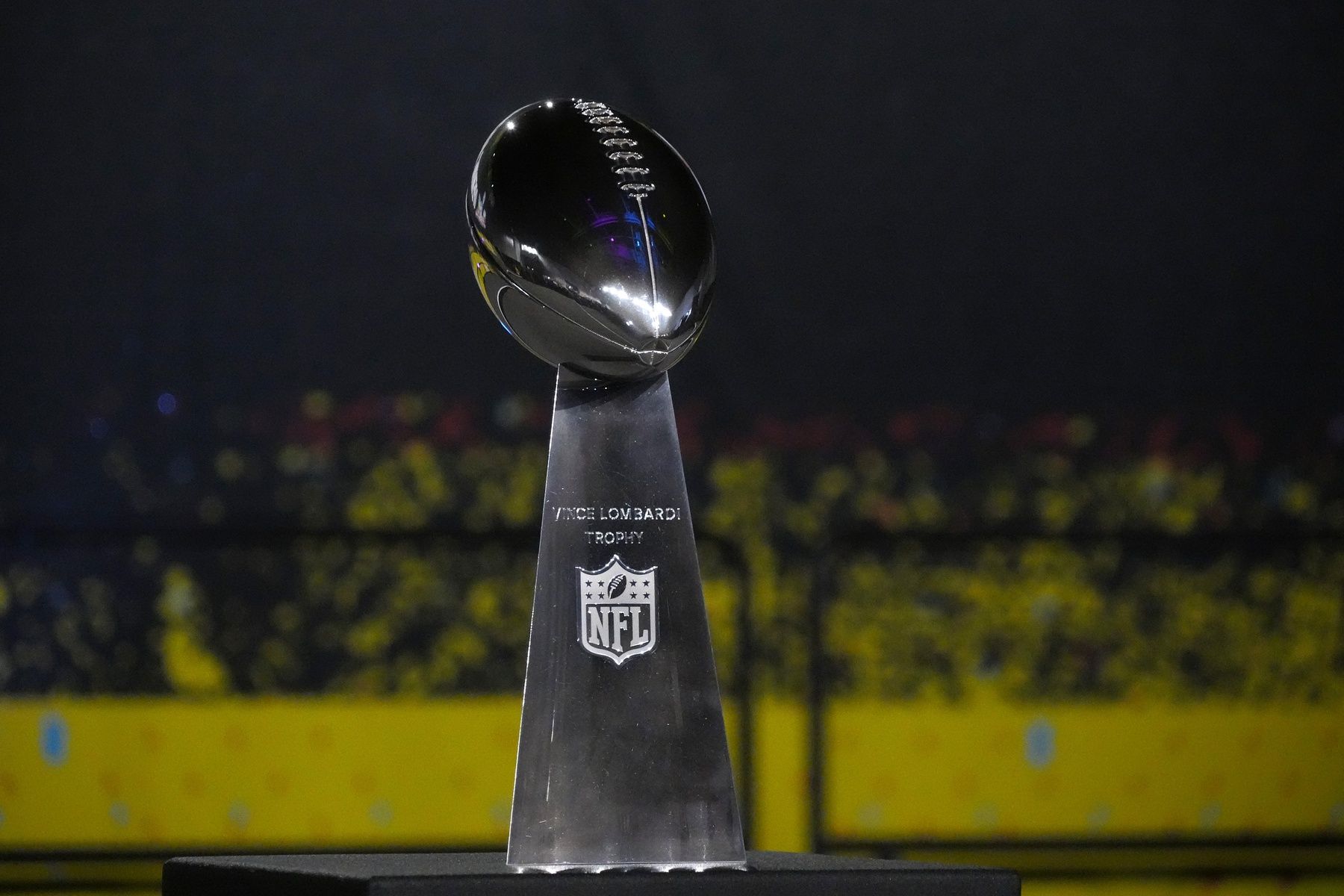
The biggest game in sports is approaching. Millions will tune in. Teams chase history. Fans plan parties. And as always, the Super Bowl will be played on Sunday.
Even amid growing debate and fan petitions, the NFL has stayed firm. The reasons go far beyond tradition. They tie directly to viewership, revenue, and the league’s biggest stage.
Sunday Dominance Drives NFL’s Biggest Scheduling Decision
Super Bowl Sunday has been locked in since Jan. 15, 1967, when the Green Bay Packers defeated the Kansas City Chiefs 35-10 in the first championship game. Since then, the league has never shifted the game to another day. That consistency has become part of the NFL’s identity.
Still, fan frustration surfaces every year. Petitions continue pushing for a Saturday Super Bowl. One Florida high school student even gathered more than 144,000 signatures trying to force a change. The reasoning is simple. Mondays after the Super Bowl are rough across the workforce.
Surveys highlight the scale. In one Workforce Institute study, 18.1 million employees said they planned to miss work after the game. More than 3 million admitted they would call in sick even when they were not ill. Another 4.7 million planned to skip work entirely without notice. Separate data suggested as many as 26.6 million workers may miss work on the Monday after the game.
Despite that, the NFL remains committed to Sunday. The biggest reason is the size of the television audience. Commissioner Roger Goodell addressed it directly during a 2018 interview.
“The reason we haven’t done it in the past is simply just from an audience standpoint,” Goodell said. “The audiences on Sunday night are so much larger. Fans want to have the best opportunity to be able to see the game and we want to give that to them, so Sunday night is a better night.”
The numbers support that stance. Super Bowl LVII drew roughly 115 million viewers, becoming the most-watched Super Bowl ever and the most popular TV program in U.S. history. Moving the game could risk that reach. One Sportsbook Review report estimated that shifting the game could reduce consumer spending by 20 to 45%, even though it might improve worker productivity.
The Super Bowl is also deeply embedded in American culture. It is the second-largest food consumption day in the United States, behind Thanksgiving. Even non-football fans watch for halftime shows and commercials.
Looking ahead, the NFL shows no public signs of changing course. The Super Bowl remains a ratings giant. A cultural event. And a financial powerhouse. Unless those pillars shift dramatically, Sunday night football’s biggest tradition appears safe for the foreseeable future.
