
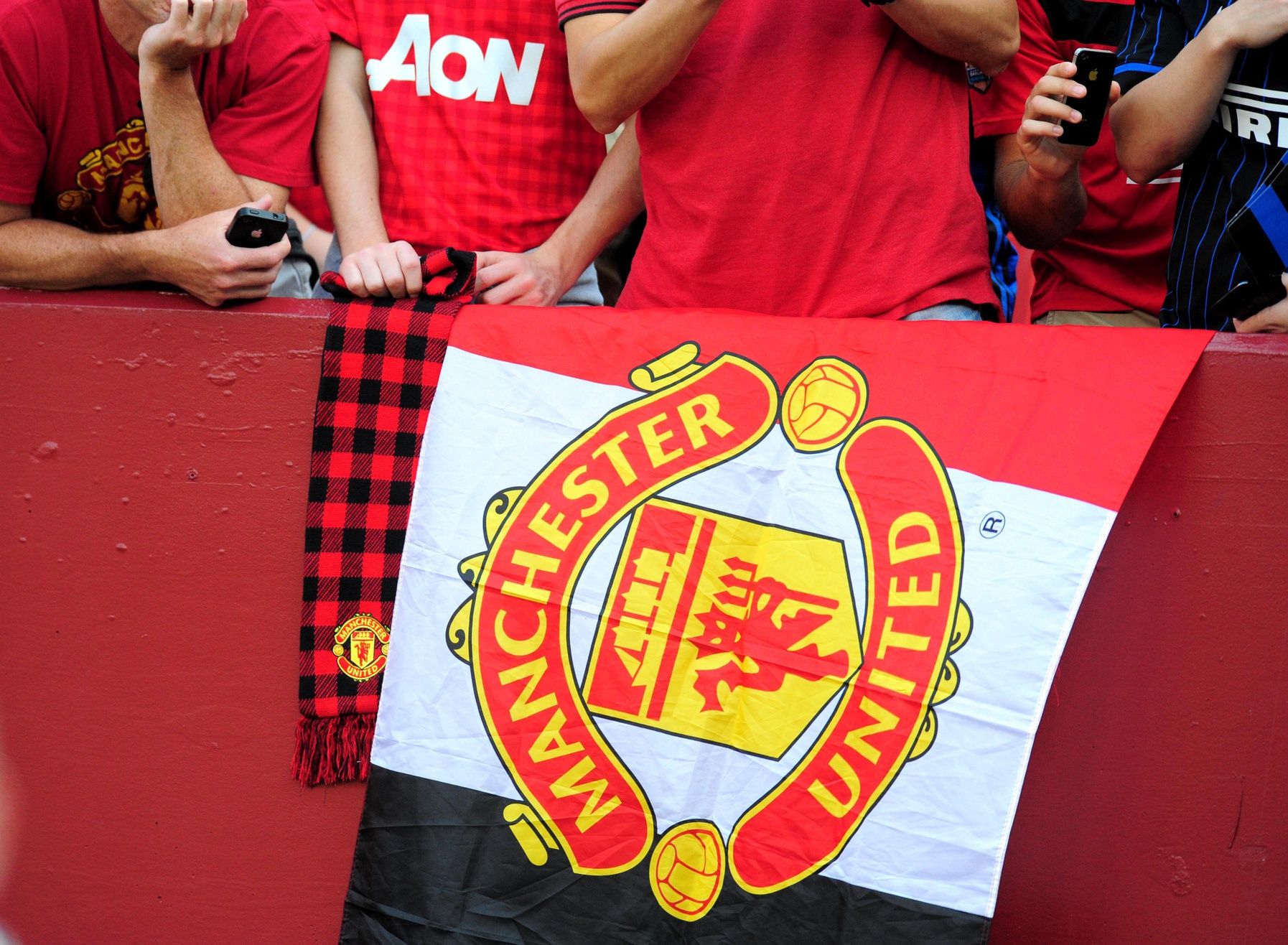
Manchester United is at the center of attention this Monday after Ruben Amorim’s surprising dismissal sent shockwaves through the Premier League. Without the Portuguese manager, several names are being considered to fill the coveted position, and one of the club’s biggest idols is among the possible candidates to take over.

Michael Carrick Is One of the Favorites to Take Over Manchester United
According to “The i Paper,” legend Michael Carrick is a top contender to lead United on an interim basis until the end of the season, giving the club time to secure Amorim’s long-term successor.
The current situation is being discussed as fluid, and changes in planning may occur at any time. However, the former Manchester United midfielder could be announced as the new coach in the coming days, with a contract valid until June.
Carrick is currently unattached after leaving Middlesbrough at the end of last season, where he finished in 10th place. Since his departure, he has not taken on any other managerial role, raising questions about his interest in leading one of the most high-profile teams in world football.
Even though the list of options is long, a considerable part of United’s board believes that Carrick has the ability to achieve one of the spots in the next UEFA Champions League, which is an entirely possible mission considering that the Red Devils are in sixth place, very close to Chelsea and Liverpool in this competition.
Now 44, Carrick played 463 games for Man United and won 17 trophies in 12 years at the club before retiring in 2018. The former player, who also played for West Ham and Tottenham, said in his most recent interview that he would like to return to managing a team “only at the right opportunity.”
Remember Carrick’s Playing Style at Middlesbrough
Considering that we may be discussing the future manager of Manchester United, it is essential to be aware of how his time at Middlesbrough progressed. Carrick almost always worked with 4-2-3-1 as his tactical base, with variations to 4-4-2 or 4-4-1-1 in defensive phases of the game, maintaining a game structure that allowed for possession and organized progression.
His offensive style of play consistently featured a progressive build-up from the back, emphasizing lateral movement to create passing lanes and exploiting width and overloads with advancing fullbacks.
Compared to the previous season, Middlesbrough under Carrick made fewer long passes and began to prefer short circulation and supported progression. However, despite the intention to apply offensive pressure, the team still ended up relying on crosses and lateral balls to generate danger, as technical limitations prevented them from maintaining a consistent rhythm to break down low blocks.
Finally, there was also considerable criticism of the lack of tactical variation, even when opponents adjusted their defensive blocks to more compact lines, exposing the coach’s difficulties and limitations.
