
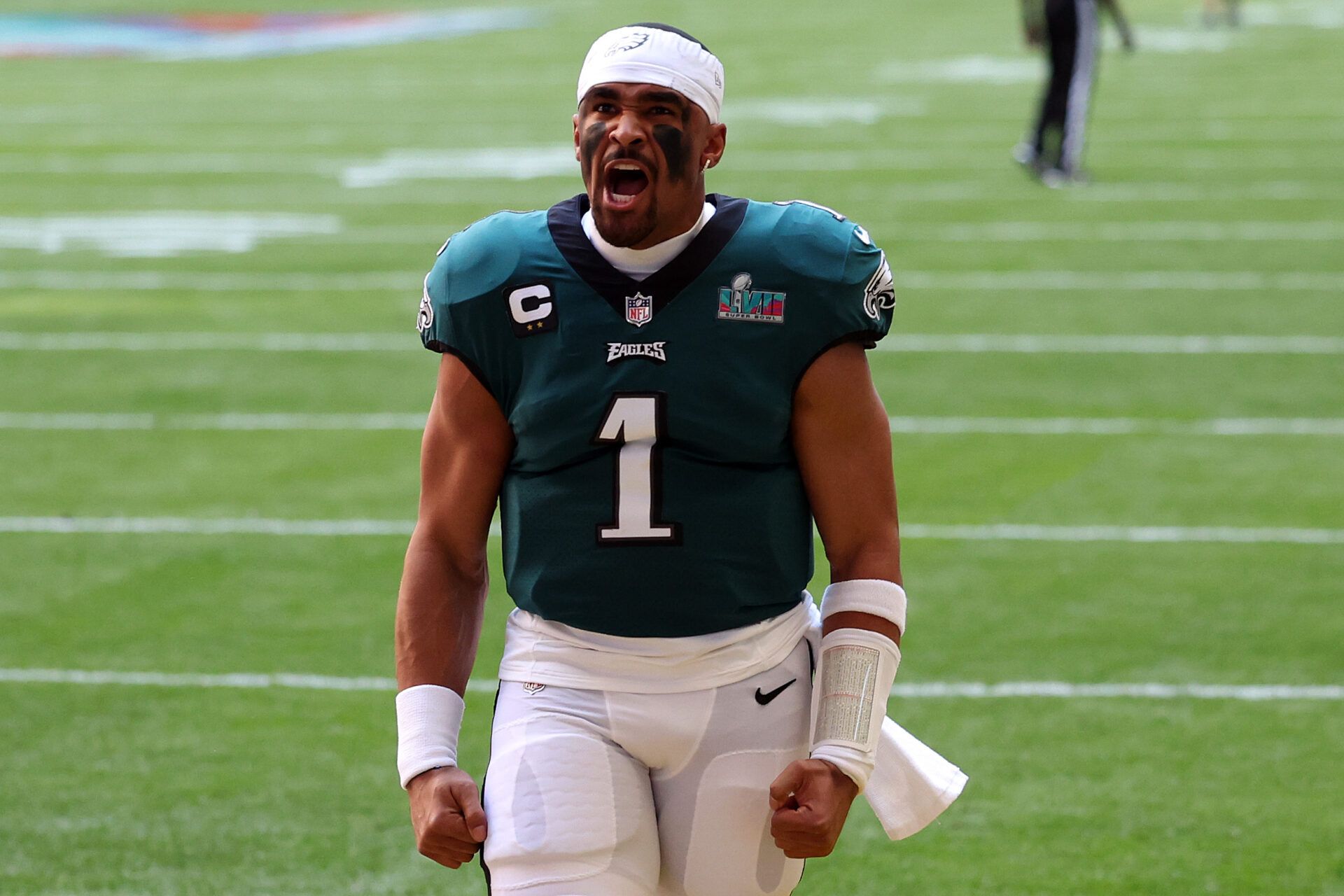
One of the NFL’s most controversial plays isn’t going anywhere. During Wednesday’s vote at the spring league meeting in Minnesota, NFL owners declined to ban the quarterback sneak variation dubbed the Tush Push, opting to preserve the tactic for at least another season. A minimum of 24 of the league’s 32 teams would have needed to approve the ban. The proposal fell short, allowing the play to remain a legal part of the rulebook.
Fly, Push, Fly: Philadelphia Eagles’ Signature Tush Push Play Stays Legal in 2025
According to ESPN NFL insider Adam Schefter, the final vote on the proposed ban of the Tush Push, per sources: 22-10. At least 24 votes were needed to ban the play.
Proponents and opponents of outlawing the play spoke publicly about it during the first two days of the meetings, echoing a debate that’s been brewing since the 2023 season. However, in April, league decision-makers chose to delay the vote until May to gather more information about injury risk and give teams more time to consider the broader impact. That vote finally came Wednesday, and the league ultimately opted not to make a change.
“Roughly six teams flipped from ‘no’ in March to supporting the Tush Push ban,” wrote NFL insider Jordan Schultz.
Roughly six teams flipped from “no” in March to supporting the Tush Push ban. But the proposal still fell short — it needed 24 votes to pass and only had about 21–22, per sources. https://t.co/adSB9IiyKp
— Jordan Schultz (@Schultz_Report)
At the heart of the debate was whether the Tush Push gave teams an unfair competitive advantage or created unnecessary injury risk. The play, most closely associated with the Philadelphia Eagles, involves multiple offensive teammates lining up behind quarterback Jalen Hurts and pushing him forward immediately after the snap to help convert short-yardage situations.
According to ESPN’s Brooke Pryor, the Eagles and Buffalo Bills have run the play 183 times combined since 2022 — more than the rest of the league combined over the same period. They’ve converted 87% of those attempts into first downs or touchdowns. The rest of the NFL has converted similar plays at a 71% clip.
Packers president Mark Murphy has been one of the most vocal opponents, calling the play “bad for the game” and arguing that it removes the element of individual skill. Green Bay’s revised proposal sought to ban all forms of assistance to the ball carrier outside of legal blocking, including pushing, pulling, or lifting.
Supporters of the play have countered that the Tush Push is not only legal under current rules but also requires precision, timing, and physical execution to be successful. During the team’s White House visit in April to celebrate their Super Bowl title, even president Donald Trump weighed in, saying, “They should keep it. I like it. It’s sort of exciting and different.” Head coach Nick Sirianni later responded: “We also appreciate the endorsement for the tush push.”
NFL medical experts did acknowledge there is some potential injury risk tied to the play, particularly involving linemen, due to the low pad level and pile-up at the point of attack. However, they also admitted there is no conclusive data linking the Tush Push to increased injury rates. That gray area likely played a key role in swaying undecided voters.
Philadelphia wasn’t the only team opposing the ban, but the Eagles were clearly the loudest. They’ve emphasized their offense doesn’t rely solely on the play but admitted it’s an effective tool in key situations, especially when trying to control the clock. Last season, the Eagles led the league in time of possession (32:21 per game), which some opponents cited as another reason to eliminate the play.
With the vote behind them, the Eagles and other teams that have embraced the tactic can now move forward without adjusting their approach on fourth-and-short. But make no mistake — the Tush Push remains one of the most scrutinized plays in the league. If injury numbers change or frustrations build, the debate is almost certain to return in 2026.
