
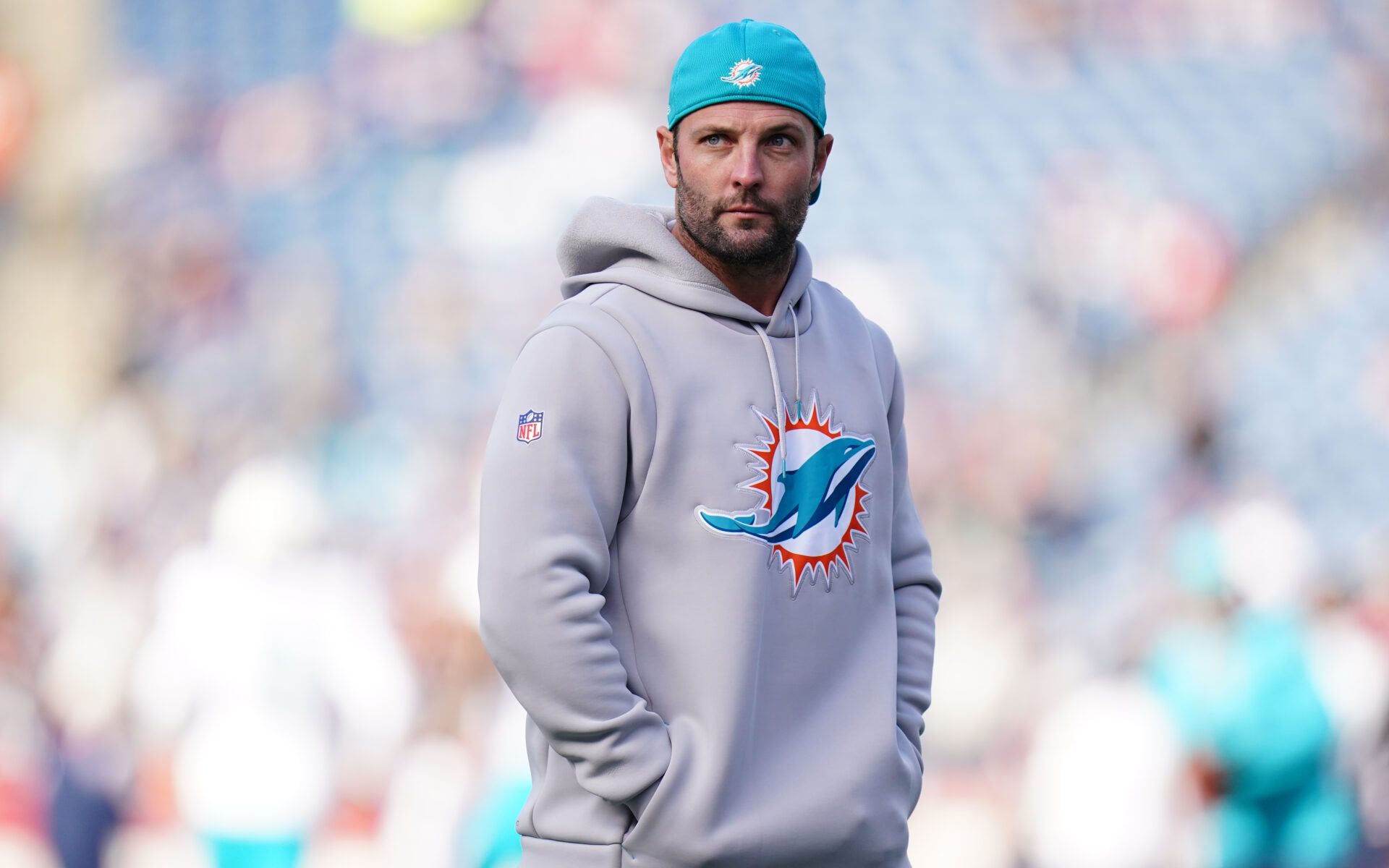
Wes Welker has played with two of the greatest quarterbacks of all-time, Tom Brady and Peyton Manning. He got to see their leadership, preparation, work ethic, motivation, and professionalism up close.
However, there was one trait they both shared that Welker thinks tied everything together.
Welker Reveals the Most Important Trait That Brady and Manning Share
This week, Welker featured on the “Lots to Say” podcast with Bobby Bones and Matt Cassel and remarked: “I think the accountability that they brought to the table was always a huge thing,” Welker said. “As far as route running, making sure that everybody was on the same page. There was no ifs, ands, or buts about it. If you didn’t do it that way, you weren’t getting the ball.”
“And sometimes they would, you know, just kick you off. I’ve seen guys, you know, ‘just get him out of there. Why is he in there?’ Yelling at coaches … they wanted to be their best.”
Tom Brady and Peyton Manning = QB legends. 🔥@WesWelker dives into what made them great on “Lots to Say” with @mrBobbyBones & @M_Cassel16 👉 https://t.co/wzxkoT5H5I@iHeartRadio | @iHeartPodcasts pic.twitter.com/mx6JgUZqQM
— NFL Network (@nflnetwork)
Peyton Manning was known as a cerebral commander who was involved in every asspect of the offense. Manning’s meticulous nature meant that he expected routes to be run with exacting precision, often dictating specific yardage and break points. This level of detail requires receivers to be highly disciplined and in sync with Manning’s vision and expectation of where they will be when he would make his release.
His approach was akin to that of a coach on the field. He was known to run meetings, provide input on offensive schemes, and ensure that every player understood their role in the game plan. This hands-on leadership style fostered a culture of accountability and excellence on the teams he played on.
Tom Brady was an adaptive strategist. He emphasized the adaptability and trust in his receivers. Brady encouraged receivers to find open spaces and relied on their ability to read defenses effectively. This allowed for more improvisation and required strong mutual understanding between Brady and his receivers.
He was collaborative and would spend extra time with teammates analyzing routes and defensive coverages. His partnership with Welker extended beyond the field, with both dedicating time in the offseason to refine their chemistry and understanding of the game.
Whether it was a matter of being collaborating partner or a leader who dictates the direction and specifics of the offense, the thing both quarterbacks had in common was their shared sense of accountability for their charges on the offensive side of the ball. But for that to be effective, they had to be accountable to themselves.
Considering their results, it’s hard to argue they didn’t follow that rubric.
