
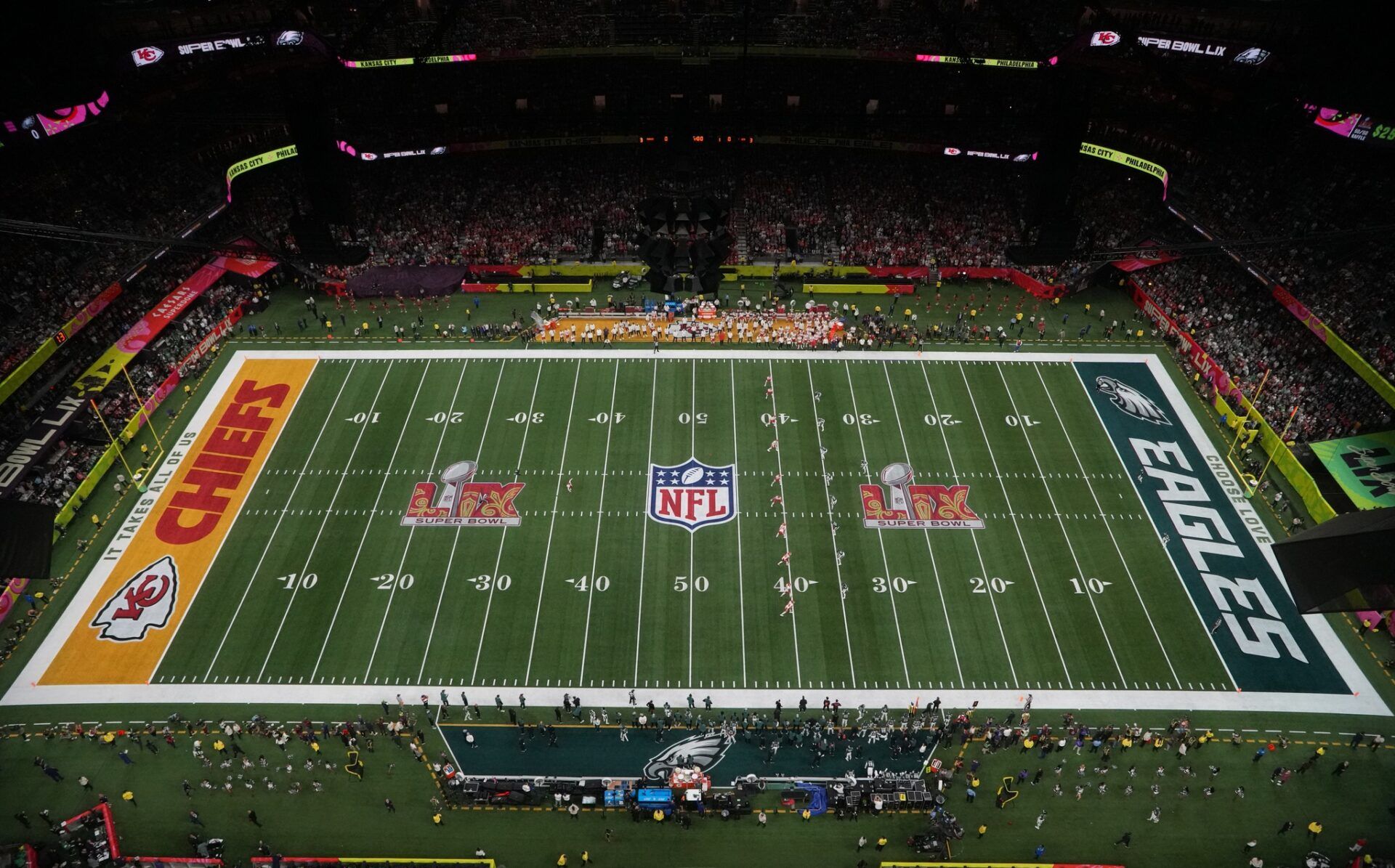
The 2025 NFL season is here, and the league’s dynamic kickoff has become a permanent fixture. What started as a one-year experiment in 2024 has proven so successful that NFL owners voted to make it a lasting change over the offseason.
The transformation addresses one of football’s most dangerous moments while returning fresh excitement to kickoffs. After borrowing the concept from the XFL and seeing remarkable results in its debut season, the NFL has committed to this new approach for the long haul.

How Did the Dynamic Kickoff Transform Player Safety and Returns?
Kickoffs have long been football’s most perilous play, with high-speed collisions creating serious injury risks. However, the dynamic kickoff delivered impressive safety improvements in its first year.
The concussion rate dropped by 43% compared to previous seasons, while kickoff returns jumped from a record-low 21.8% in 2023 to 32.8% in 2024.
The league has made two key adjustments for 2025 to enhance the system further.
The NFL’s new dynamic kickoff rules 👀 pic.twitter.com/1N02SW7e4k
— ESPN (@espn) August 2, 2024
Touchbacks now come out to the 35-yard line instead of the 30, encouraging more returns. Additionally, trailing teams can now declare an onside kick at any point during the game, not just in the fourth quarter.
What Are the Complete Rules for the NFL’s Dynamic Kickoff?
The NFL’s dynamic kickoff system fundamentally changes how these plays unfold. Here’s how it works:
- The kicker operates from the 35-yard line and must use a tee, except on declared onside kicks
- The other 10 kickoff team members line up at the receiving team’s 40-yard line
- At least nine receiving team players must position themselves in the Setup Zone, a 5-yard area between the 35 and 30-yard lines
- Three players can now line up in the return team’s setup zone off the 35-yard line, up from the previous two
- Up to two returners position themselves in the “landing zone” between the 20-yard line and goal line
- Only the kicker and returners can move before the ball hits the ground or reaches a returner in the landing zone
- Balls landing in the end zone result in placement at the 35-yard line
- If a kick lands inside the 20-yard line and rolls into the end zone, it must be returned or downed, resulting in placement at the 20-yard line
- Kicks that fail to reach the landing zone or go out of bounds give the receiving team possession at their 35-yard line
- Fair catches are prohibited
- Teams can declare onside kicks at any time, with six players on one side of the kicker and four on the other
Why Did the NFL Make These Specific Changes for 2025?
The most significant change for 2025 is the move from 30-yard line touchbacks to the 35-yard line. The league believes this adjustment will push return rates to an ambitious 60-70%, making kickoffs more engaging for fans while maintaining the safety improvements.
The onside kick modification stems from a specific situation that highlights the rule’s limitations. During Super Bowl 59, the Kansas City Chiefs were down 28 points in the third quarter but had to kick deep due to the timing restrictions.
The Chiefs ultimately lost to the Philadelphia Eagles, and this scenario prompted the league to allow onside kick declarations at any point.
Coverage players also benefit from being allowed to line up one yard closer to the action. This change aims to boost onside kick recovery rates from the current 6% into double digits, giving trailing teams a more realistic chance at maintaining possession.
These refinements show the NFL’s commitment to balancing player safety with competitive excitement. With the dynamic kickoff now permanently established, the league continues fine-tuning the system to create the ideal safety and entertainment value combination.

Moving touchbacks to the 35 yd line (from the 30) would seem to serve as an incentive to take a touchback, NOT as an incentive to return a kick from the end zone.