
The day after the regular season comes to an end is usually a grim day across the NFL. While a handful of teams are grateful for their chance to compete in the playoffs, with an even smaller select few having a genuine chance of contending, the majority of squads are staring down a long offseason.
For many of those organizations, though, a wildly disappointing year often equates to some radical changes, most notably the firing of head coaches. As a result, the day is colloquially known as “Black Monday.” However, today, we break down the interesting caveats that determine exactly what defines the guarantees for coaching contracts and how their salaries work after dismissal.

Coaching Salaries After NFL Firing
Given the physical nature of the sport, injuries are a part and parcel of the game. As a result, players regularly face career- and season-altering blows that can significantly impact how their team performs over the remainder of the season(s).
Teams, privy to this knowledge, often have guarantee clauses and specifics that can alter how they manage a player’s money over the length of his contract. So, a seemingly gargantuan amount becomes more manageable if the player isn’t available for his squad.
Unfortunately, the same laws don’t govern the coaching hires. Unlike with players, teams have to pay out the remaining sum of a coach’s initially agreed-upon contract even if they terminate his tenure prematurely.
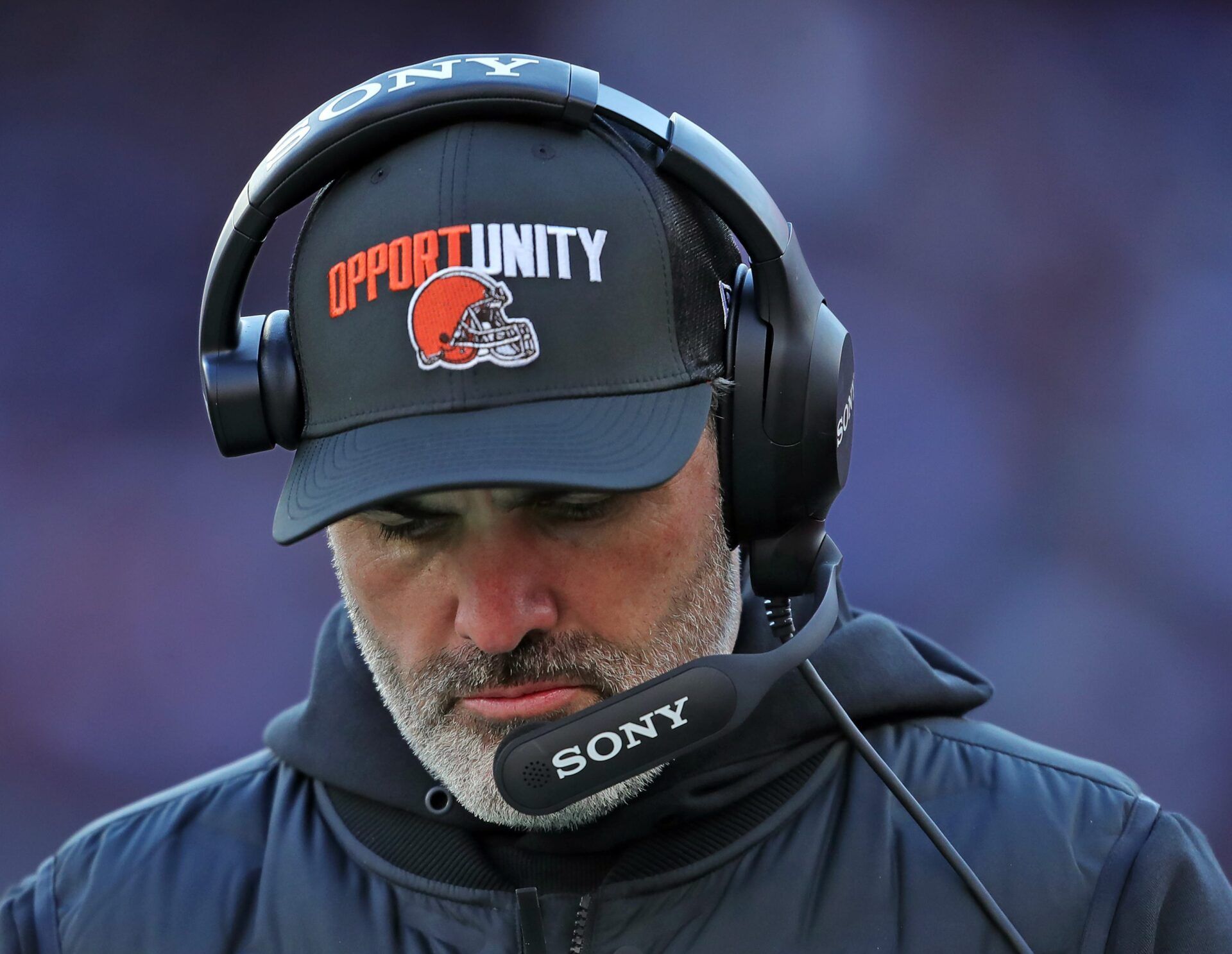
As a result, names like Kevin Stefanski, Raheem Morris, and Jonathan Gannon, all of whom have faced the sack today already, will be making the remainder of their contracts over the coming few years.
MORE: Which NFL Coaches Have Been Fired Today? Black Monday Claims 4 More Head Coaches
However, there is one wrinkle to this entire ordeal. The entire sum of the remainder of their contracts is contingent on the exact rationale behind letting them go. As a result, teams have to be careful with the wording, both in the contract and in the firing.
In order for the fired coach to continue to receive payments, the firing must be “without cause,” meaning there have been no breaches of the contract. What that actually translates to is simple: the coach was fired for his performance rather than any off-field actions.
However, the exceptions arise when there is a material breach, as designated in the contract, where the team has the option to announce the firing as “for cause” or “with cause.”
Usually, though, almost all firings are done without cause, ensuring that coaches get their remaining lump sum. But when a coach signs a deal with a new team afterwards, the guarantee becomes offsetting, meaning the original team has a lesser burden.