
The National Football League calendar is filled with pivotal dates that can shape a franchise. In the offseason, those moments include the NFL Combine, the owners’ meetings, the draft, and the release of the schedule. During the year, attention shifts to the trade deadline and the postseason.
Immediately after the regular season, however, comes a far more somber date that still carries major significance and intense scrutiny. That day is known as Black Monday.

What Is Black Monday?
Black Monday represents the first official day of the offseason for teams that did not qualify for the playoffs. It is also when front offices are permitted to announce the firings of head coaches and general managers without having to name interim replacements.
The term itself dates back 26 years. In 1998, several major outlets that regularly cover the league, including The Associated Press, The New York Post, and The Houston Chronicle, used “Black Monday” in headlines following the season finale. From there, the label stuck.
Today, Black Monday is widely recognized as the day when teams make rapid leadership changes and reset their direction for the future.
Are Coaches the Only Ones Getting Fired on Black Monday?
Head Coaches who finish with poor records often meet their fate on Black Monday following Week 18, but they are not the only ones at risk.
General managers of struggling NFL franchises can also be shown the door on Black Monday, and the league has seen several GMs dismissed abruptly over the years.
MORE: PFSN’s FREE Playoff Predictor
In some cases, the fallout extends beyond top leadership roles. Teams have occasionally chosen to overhaul entire staffs in the immediate aftermath of the regular-season finale.
A notable example came in 1999, when the Green Bay Packers made sweeping changes. Head coach Ray Rhodes was fired after the Packers finished 8-8 and missed the playoffs, and the decision extended to the entire coaching staff as well.
Notable Black Monday Moves in the NFL’s History
There have been seasons when Black Monday passed with relatively little activity, leading some observers to jokingly label it “charcoal gray” Monday. In recent years, however, the number of firings following the regular-season finale has climbed sharply.
One of the most extreme examples came in 2012, when a staggering 12 firings took place on Black Monday, including seven head coaches and five general managers.
Looking back, several notable dismissals stand out. Black Monday 2023 featured only one head coach being fired the day after his final game, as the Arizona Cardinals moved on from Kliff Kingsbury. Following the 2021 season, the Chicago Bears fired Matt Nagy, while the Minnesota Vikings dismissed Mike Zimmer.
Some of the most surprising Black Monday firings in league history include Jim Harbaugh in 2015 with the San Francisco 49ers, Mike Shanahan in 2009 with the Denver Broncos, and Brian Flores in 2022 with the Miami Dolphins. None of those coaches finished their final seasons with double-digit losses, which only added to the shock of their dismissals.
List of Head Coaches Fired After Week 18
Raheem Morris, Atlanta Falcons
The first head coach of the offseason to be fired was Raheem Morris. After another disappointing season, the Atlanta Falcons decided it was time for a change and parted ways with the head coach after their Week 18 game.
Morris spent two seasons as the head coach of the Falcons. He didn’t notch a single winning season. In both seasons with him at the helm, the Falcons finished 8-9. Morris concluded his tenure in Atlanta with a record of 20-25, having missed the playoffs in each of his seasons.
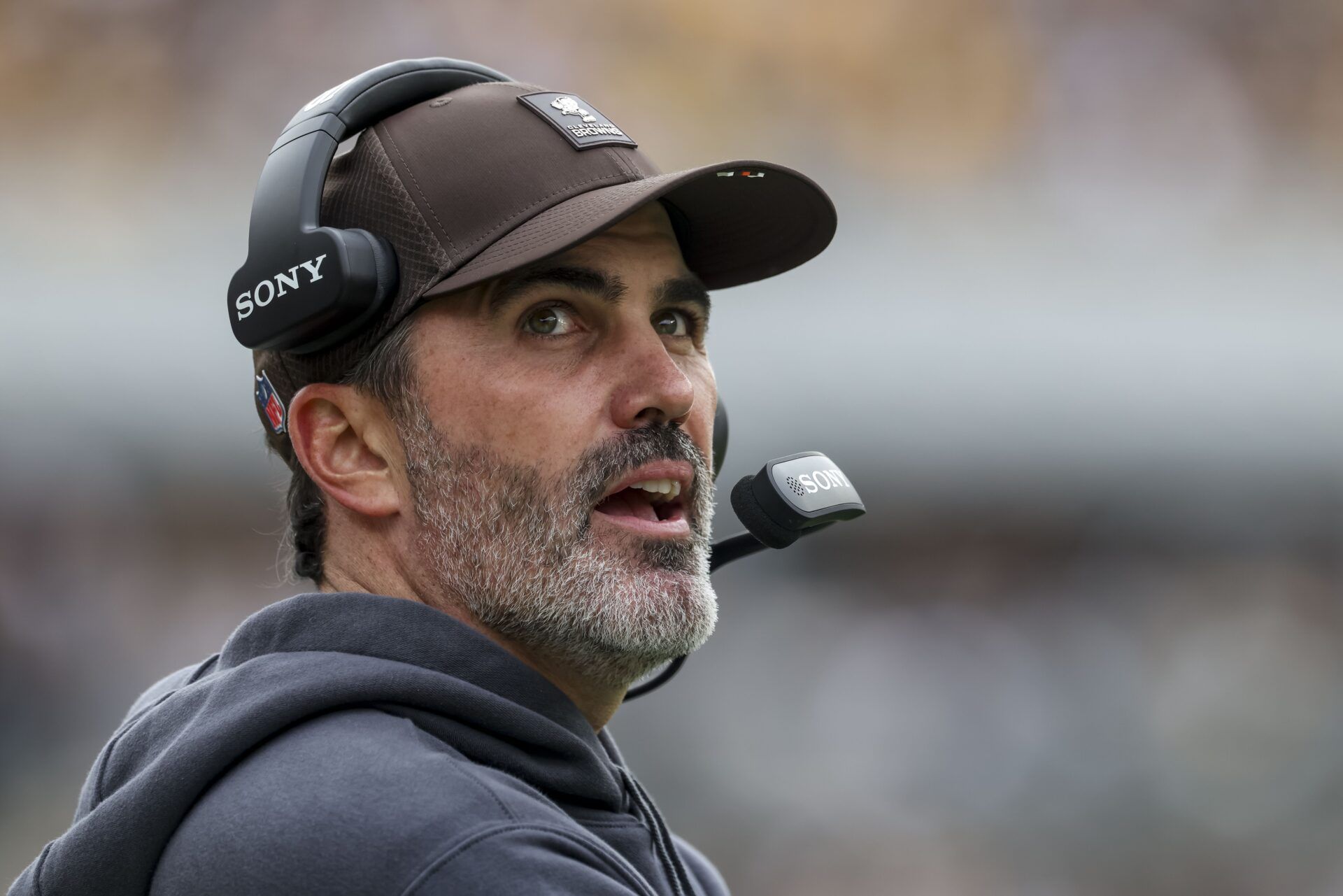
Kevin Stefanski, Cleveland Browns
The Kevin Stefanski era in Cleveland has come to an end. On Monday, the Cleveland Browns dismissed their head coach, despite closing the 2025–26 NFL season with a win. With Myles Garrett setting a new single-season sack record, the Browns edged the Cincinnati Bengals 20-18 in Week 18.
Cleveland finished the season with a record of 5-12, a result that ultimately fell well short of expectations and led the organization to make a change. He was the Browns’ head coach for six seasons and finished with a 45-56 overall coaching record in Cleveland.
According to PFSN’s Offense Impact metric, the Browns had the worst offense in the league this season. As a result, a change was inevitable.
