
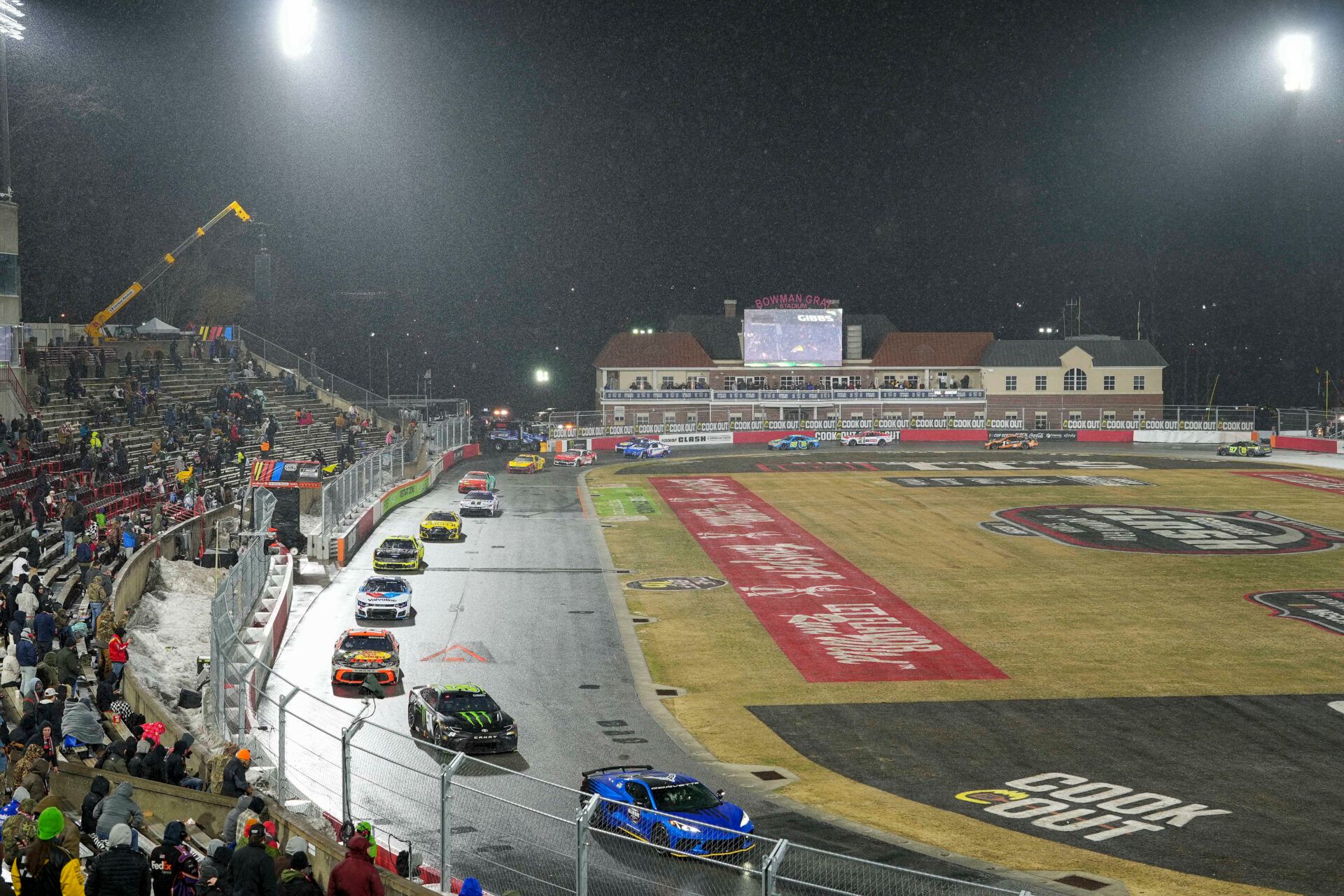
NASCAR once roared with a peak audience of 9.5 million fans, but the numbers and the noise have been slipping in ways that are getting harder to explain away. From emptier grandstands to shrinking mainstream buzz, its brutal decline isn’t a talking point anymore, it’s a warning sign for the sport’s future.
How Did NASCAR Fall From 9.5 Million Viewers to Today’s Shrinking Audience?
Twenty-two years ago, NASCAR was a ratings juggernaut. On February 8, 2003, Dale Earnhardt Jr. won the Budweiser Shootout in front of 9.543 million viewers. As one post on X noted: “February 8, 2003: Dale Earnhardt Jr. won the Budweiser Shootout. With 9.543 million viewers, it was the most-watched Shootout/Clash of at least the last 25 years.”
Fast forward to 2025, and the contrast is jarring. The sport that once commanded nearly 10 million viewers for a preseason exhibition race is now struggling to maintain a fraction of that audience for its regular-season schedule.
The numbers tell a harsh story. The NASCAR Cup Series saw a 14 percent drop in television ratings during the 2025 season, averaging 2.476 million viewers, down from 2.892 million in 2024. The championship race at Phoenix Raceway drew 2.77 million viewers on NBC, down from 2.9 million the previous year. These are respectable numbers in today’s fragmented media landscape, but they’re a far cry from NASCAR’s glory days.
DON’T MISS: The Side Draft, PFSN’s free NASCAR newsletter
NASCAR Commissioner Steve Phelps insists this decline was expected. The sport underwent major distribution changes, moving races off broadcast television to cable channels and streaming platforms, with five races airing on Amazon’s Prime Sports.
“When the season started, because of the distribution changes to be less broadcast heavy and more cable heavy and streaming, we knew we were going to have a reset,” Phelps said during his state of the sport press conference. “We had projected that that reset and told everyone in our industry that reset would be between 14 percent and 15 percent in Cup.”
The Prime Sports experiment showed promise, averaging 2.16 million viewers across five mid-season races and attracting an audience about 6 years younger than traditional NASCAR viewers. Phelps praised Amazon’s production quality and the competitive push it created among broadcasters.
However, the USA Network portion of NBC’s package struggled significantly, frequently failing to reach even a million viewers per race. While Phelps acknowledged this was “a little softer than we had expected,” he maintained confidence in the sport’s trajectory.
MORE: Kenny Wallace Exposes the Grueling Reality of NASCAR’s Air Travel Lifestyle in Candid Admission
“The expectation moving forward, now that we have had the reset, is that we are going to grow,” Phelps said. “We’re going to grow because we have the best racing in the world, our stars are going to be more out there, we’re creating better content.”
Team owner Brad Keselowski offered a more measured response. “I was pleasantly surprised by the performance of Amazon and streaming races. Conversely, I was disappointed in the races we had on cable,” he told Motorsport.com. “I guess we’re fixed on this for the next six years so we’ll have to make the most of it.”
There was one bright spot: the Xfinity Series achieved its best TV ratings in four years by moving every race to broadcast TV on The CW Network. The series averaged 1,034,000 viewers, a 10 percent increase from the previous year. The finale drew 1,015,000 viewers despite competing against college football and Game 7 of the World Series.
Still, the broader picture remains troubling. NASCAR is locked into its current broadcasting arrangement for six more years, and while streaming may attract younger viewers, the sport has lost the mainstream cultural relevance it once enjoyed. Going from 9.5 million viewers for an exhibition race to an average of 2.5 million for regular-season events represents more than just changing viewing habits.
Undeniably, this is the sign of a sport that has fundamentally lost its grip on the American imagination.
