
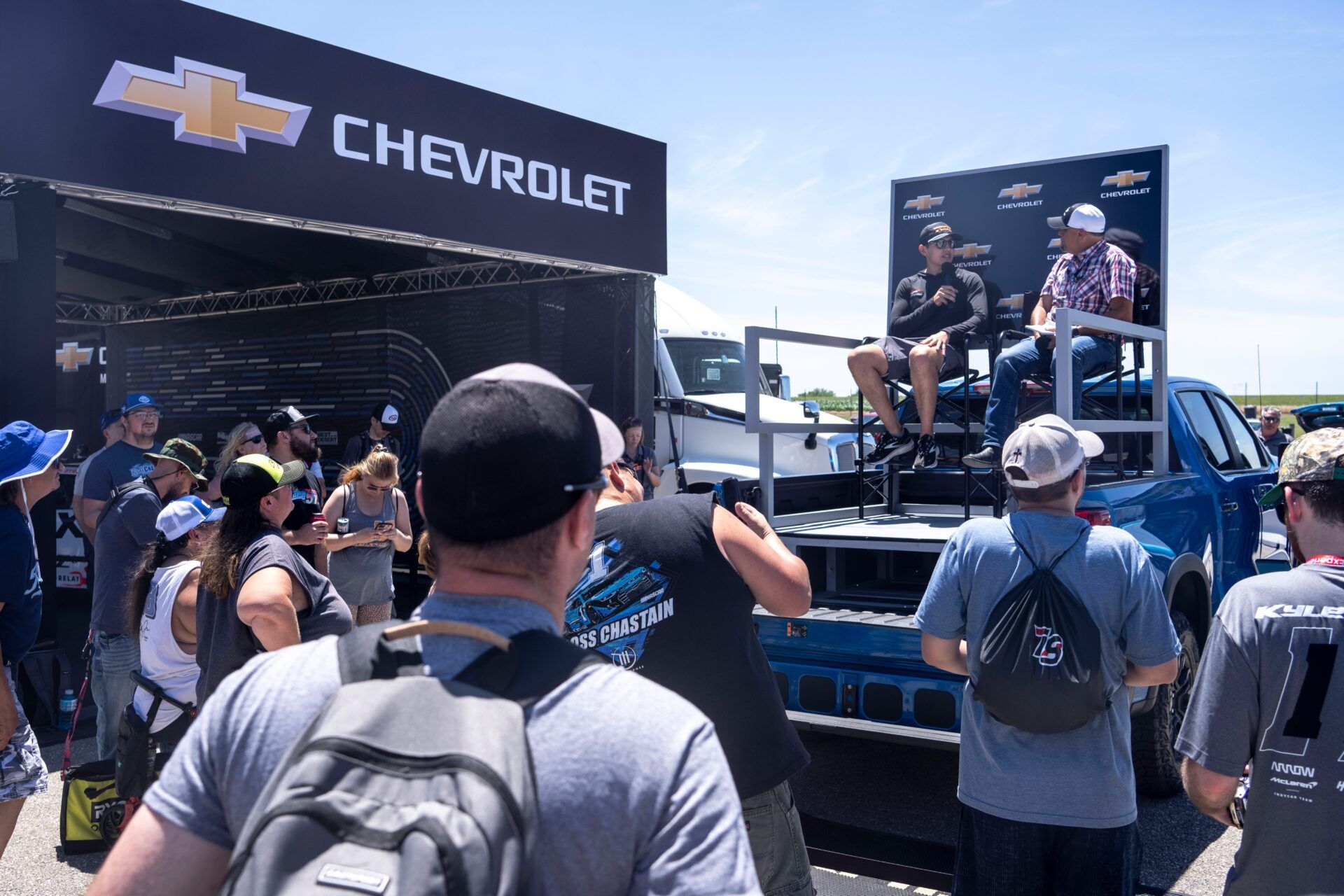
Chevrolet has dominated NASCAR’s Gen 7 era, winning the manufacturers’ championship every single season. So, there was considerable hype for the new Chevrolet body ahead of the new season.
But as the 2026 Cup Series season approaches, the bowtie brand faces some serious questions after rolling out an updated Camaro body.
Updated Camaro Design Poses New Challenges for Chevrolet in NASCAR
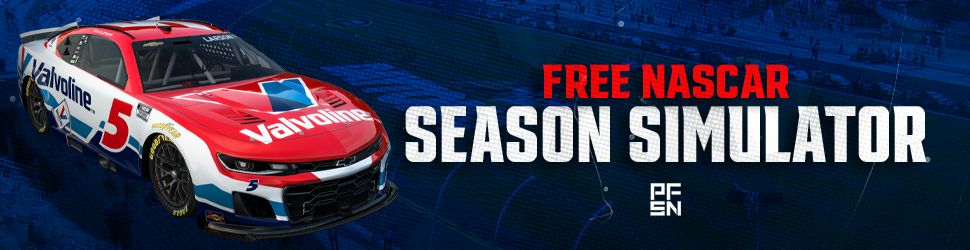
The changes aren’t drastic, but they’re noticeable. The new Camaro features a larger hood power dome, a redesigned front grille, and more pronounced rocker panels running along the sides of the car. On paper, these updates seem minor. In reality, nobody knows how they’ll perform when the cars hit the track in a pack. “I mean, I’d be lying to you if I told you I know what it’s going to do and not do,” Michael McDowell admitted when asked about the new body.
“I’ve been through this before, like you’ve talked about, where there’s a lot of hope and there’s excitement, and then you get there, you go, ‘Oh, that’s not much different.’ So I’m not sure what to expect,” the Spire Motorsports driver said.
McDowell’s caution isn’t unfounded. While the changes look small, even tiny modifications can dramatically affect how these cars handle in the draft at Daytona or over traffic bumps. Toyota and Ford teams learned this lesson the hard way in recent seasons.
DON’T MISS: The Side Draft, PFSN’s free NASCAR newsletter
Before the 2024 season, Toyota unveiled the Camry XSE while Ford debuted the Mustang Dark Horse. Neither update seemed like a big deal at first, but both manufacturers hit unexpected roadblocks.
Ford teams struggled the most, going completely winless for the first 12 weeks of the season. Brad Keselowski finally broke Ford’s drought with a win at Darlington, but that came five races after he told reporters they’d discovered some issues that needed fixing.
“There were some things that we found that we don’t think are realistic, for good and bad,” Keselowski said at Martinsville in 2024. “And I think we’ve got a mitigation plan around them that will come into effect in the next few weeks, and hopefully show improvement for us.”
Chevrolet teams desperately want to avoid a similar learning curve. The problem is, they won’t know if that’s possible until they actually get on the track for consecutive weeks of racing.
“Going to Daytona, we will have a good idea of if this was a help for the superspeedways,” McDowell explained. “If it is draggier, if it’s more downforce, all those things. But really, you don’t see where you stack up with all that, I feel like, until you get to probably Vegas. A fast mile-and-a-half, and you really see how much the new body affects the aero balance.”
The season opener at Daytona will provide some early answers. Teams will have three practice sessions, one qualifying session, and two Duel races before the Daytona 500.
MORE: Kyle Busch’s No. 8 Chevrolet Gets a Rebel Bourbon Makeover for Kansas Speedway Race
That’s plenty of track time to build a solid notebook, but it might not translate directly to success at Atlanta’s EchoPark Speedway in Week 2, where handling matters much more than pure drafting speed.
The schedule continues with a road course at Circuit of the Americas on March 1, followed by Phoenix Raceway on March 8. Then comes the real test: Las Vegas Motor Speedway on March 15.
Vegas will serve as the true benchmark. This traditional 1.5-mile oval will reveal which teams are genuine contenders and show Chevrolet exactly what they have with this new body.
