
The New York Jets are currently operating in a window where every draft pick feels like a referendum on the post-Aaron Rodgers era. While Rodgers remains the focal point of the immediate future, the looming question of succession has turned the 2026 NFL Draft into a potential pivot point for the franchise.

The Strategy Behind the Fifth-Year Option
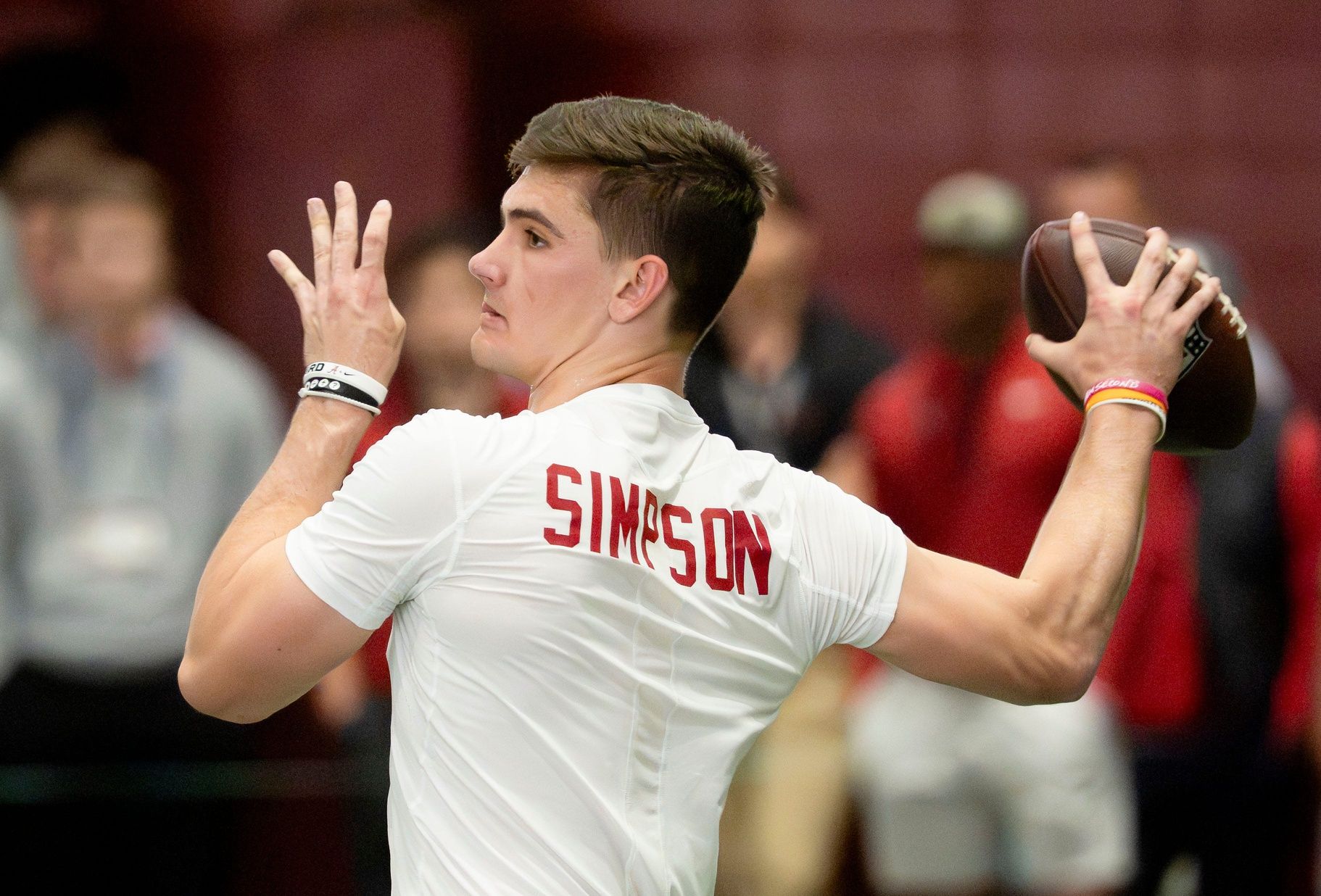
ESPN’s Mike Greenberg, a noted voice of the Jets’ fan base, has proposed a specific, aggressive maneuver to solve the quarterback room’s long-term instability: trading back into the first round to select Alabama’s Ty Simpson. The logic isn’t just about talent acquisition; it’s a calculated play for contractual leverage.
By moving from the early second round into the back end of the first, the Jets would secure a fifth-year option on Simpson, a crucial asset for a prospect many scouts view as a high-upside project rather than a Day 1 starter.
Greenberg’s proposal involves the Jets packaging their current draft capital, specifically the 33rd and 44th overall picks, to jump into the late first round. The motivation is grounded in the reality of NFL roster building. A second-round pick is tied to a four-year contract, but a first-rounder comes with a team-controlled fifth year that can be exercised later.
For a player like Simpson, who may spend a season or two learning behind a veteran, that extra year of cost-controlled development is the difference between a panicked extension and a measured evaluation. “If he’s going to be a developmental player, then you want one more year of him being tied to your organization before you make a decision,” Greenberg said during a recent appearance on “The Pat McAfee Show.”
The trade-up also serves as a defensive measure. In a draft class where the quarterback hierarchy remains fluid, waiting until the 33rd pick risks a team like the New York Giants, Las Vegas Raiders, or even a late-surging contender jumping the line to snag the Crimson Tide passer. By moving into the first round, the Jets eliminate the overnight “will they or won’t they” drama that often haunts the start of the second round.
Ty Simpson and the Outlier Dilemma
Despite the theoretical benefits of the trade, Simpson remains one of the most polarizing prospects in the 2026 cycle. His statistical profile and physical measurables don’t align with the traditional “blue-chip” archetype, leading to significant debate among evaluators. Greenberg noted that Simpson often fails the “box-checking” exercise typically associated with first-round quarterbacks, citing his limited starting experience and average frame.
Despite widely being considered the second-best quarterback in the upcoming draft, Simpson ranked 25th last season out of all college quarterbacks in PFSN’s CFB QB Impact metric, with a grade of 85.4, or a B.
“He only has 15 starts. He’s only 6’1. He doesn’t have a cannon for an arm,” Greenberg explained. “There are all of these things he doesn’t have that would suggest that there is risk involved.” This lack of traditional traits brings Bill Polian’s “outlier” rule into play. Greenberg recalled a conversation with the Hall of Fame executive who warned against drafting players who don’t fit the standard physical or statistical mold.
Polian’s philosophy suggests that for every outlier who succeeds, a dozen others fail because they lack the physical margin for error required in the NFL. However, the 2026 class has not developed into the powerhouse many expected. With several high-profile juniors returning to school for NIL opportunities and others failing to take the leap, the “wait until next year” strategy has lost its luster.
BE AN NFL GM: PFSN’s Ultimate GM Simulator
If the Jets believe Simpson’s processing and pocket mobility, which are traits praised by analysts like Dan Orlovsky, can overcome his lack of elite size, the aggressive move to secure him becomes a necessity rather than a luxury. In the New York market, the “safe” play rarely yields a championship.
For a front office under immense pressure to prove there is a plan beyond Rodgers, sacrificing second-round depth for a potential franchise quarterback with an extra year of team control might be the most logical gamble they can make.
