
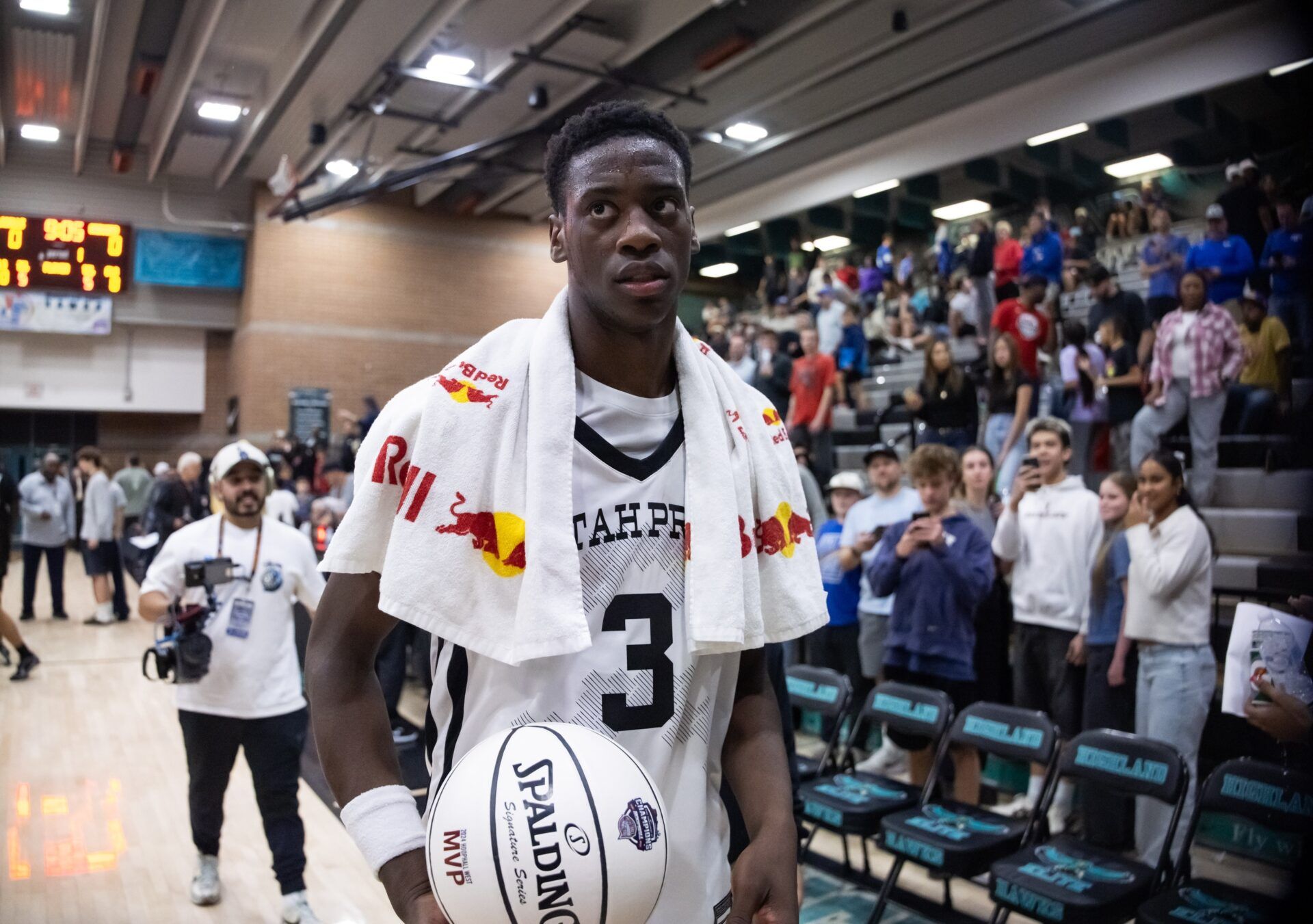
Nike has to deal with several obstacles. One of the most considerable things that caused a lot of noise around the company is the decision of top basketball recruit AJ Dybantsa to put on a New Balance outfit in spite of his huge four-million-dollar NIL deal.
This event is the latest in a series of difficulties for Nike in maintaining the support of athletes and holding the market.
AJ Dybantsa’s New Balance Controversy Shakes Nike Partnership
When OvertimeKicks posted a video questioning Dybantsa’s footwear choices, it was a very different move that the basketball community rarely sees.
“AJ signed a four-million-dollar NIL deal with Nike, but he was just seen wearing New Balance. What’s going on?” the post asked.
View this post on Instagram
The whole dispute was initiated by a photo of Dybantsa with Dylan Harper at Summer League. Observant supporters noticed he was “rocking a full New Balance kit, and so was his dad.” This drew people’s interest as Nike had just provided him with some unreleased GT Future P.E.s and a personalized “AJ” logo.
The situation became more interesting when Dybantsa threw out the first pitch for his hometown Boston Red Sox wearing New Balance 1906 sneakers. Being based in Boston and recently signing another star, Cooper Flagg, New Balance makes this connection even more significant.
Nike is experiencing some of their worst numbers in a decade. Their stock is down 30% yet everyone is running, run clubs have never been cooler, the WNBA is hot & interest in women’s football is on the rise etc. There’s something wrong.
— Mabintou Kolley (@mabintou) July 2, 2024
The brand’s performance has been negatively impacted by consumer weariness of Nike’s goods and a decrease in demand in essential markets.
College basketball fans had mixed reactions to Dybantsa’s footwear switch. One user commented, “Yeah idk why he rocking NB’s. I know cooper had to rock Nike’s while playing at Duke but off court he rocked his NB’s.”
This shows fans understand the complexity of endorsement deals.
Another user commented “Aj ‘die bansta'” making a play on his name. Meanwhile, a skeptical fan questioned, “So you can’t wear other shoes when you sine with one,” showing the confusion about exclusivity rules in NIL deals.
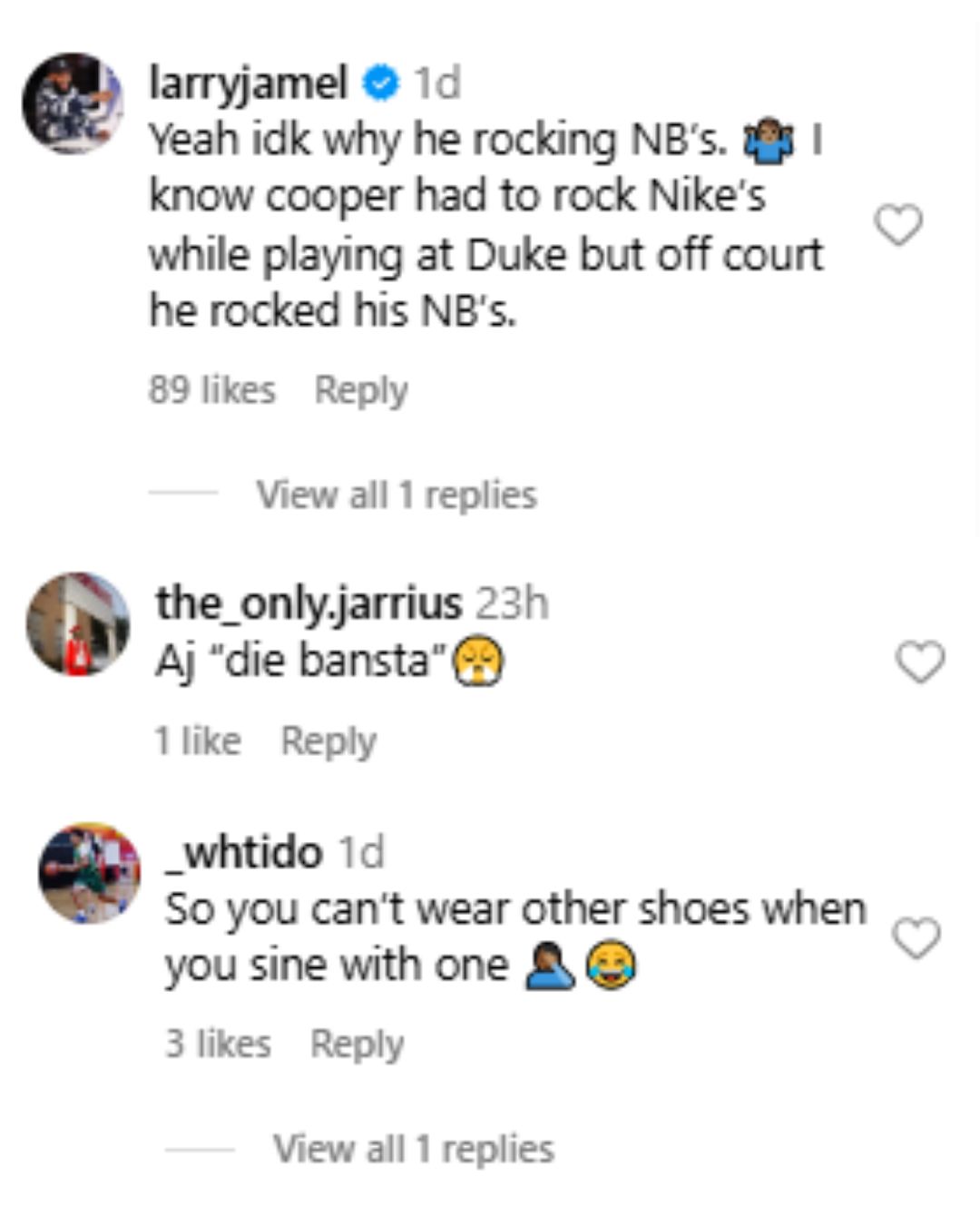
Fans’ reactions to these incidents under the post show that they notice their favorite players’ clothing very closely. Some recognize that the endorsement contracts detail on-court and off-court appearances, whereas others simply assume that the athlete is entirely faithful to the brand.
For Nike, this situation represents a bigger problem. NIL deals were supposed to secure long-term relationships with top talent, but young athletes seem to view these agreements differently from traditional endorsements.
If Nike cannot ensure brand loyalty from their biggest investments, competitors like New Balance can capitalize on regional connections and personal relationships.
