
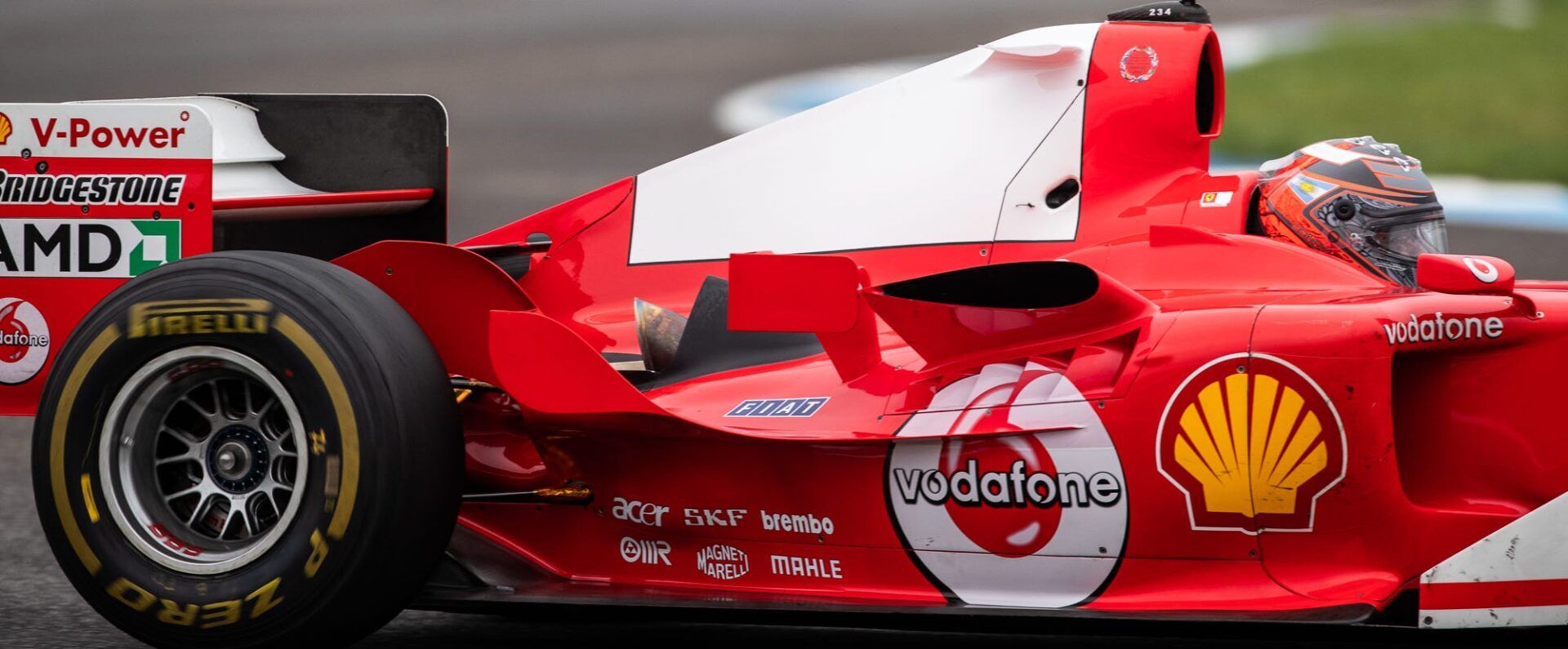
F1 is preparing for a significant shakeup in 2026, with new rules, engines, aerodynamics, and now, even the fuel itself, potentially altering the cars’ appearance and weight. While it might sound wild that gasoline could decide the shape of an F1 car, that is exactly the kind of change Shell believes is coming.
Shell has been a long-time fuel partner of Ferrari and has been involved in the sport for over 75 years. From old-school mechanics mixing fuel by eye in the early 2000s to today’s hyper-digital simulation era, Shell has followed F1 through every twist, and this time, Shell says the next step is bigger than anyone thinks.
A Fuel Rulebook That Could Change Everything in F1
The new engine era will feature V6 hybrid units again, but the way those engines consume fuel will be completely new. For the first time, F1 regulations will limit the flow of chemical energy, rather than simply limiting the amount of fuel that can enter the engine. This fuel will have to be highly sustainable and not pulled from fossil fuels.
In the past, engineers primarily focused on how much fuel they could inject and the resulting power output, and this minor detail has compelled fuel suppliers to reassess everything they know.
Shell’s Motorsport Technology Manager, Valeria Loreti, explained this situation, “In addition to energy content, density is also important. The mass flow of gasoline is no longer regulated, which is why if you have little energy in a certain volume of fuel, you need more and therefore increase the weight.”
This is where the conversation becomes interesting as Loreti shared that fuel could now influence the shape of a car. If a team needs less fuel because it has high energy density, they can make a smaller tank, which frees up space for aerodynamic parts and bodywork designs. A fuel mixture could literally decide how narrow the rear of the Ferrari or any F1 car is or how compact another car might become.
Shell believes that high-density fuel could even let cars start a Grand Prix with less weight, which helps both performance and tire life across the race distance, and suddenly, fuel has become a performance tool.
How Shell Builds Race Fuel for F1
Fuel development is not something people think about while watching a race on Sunday, but for Shell, it is a year-round mission. Decades ago, technicians mixed fuel in their labs using experience and instinct. However, today, everything is digital, as fuel companies like Shell can run over a million simulations to choose a single formula to test with Ferrari or any other team.
Once a fuel passes the digital filters, it is tested by the F1 team’s engineers to see how it behaves inside their V6 hybrid power unit. With 2026 bringing a brand-new combustion style, compression, and even spark plugs, Shell has had to start from scratch.
Loreti said this is one of those rare moments where everything can be rewritten as engineers can explain where they want the car’s performance to come from, and Shell responds by shaping fuel that helps those goals.
Ferrari and Shell have maintained this partnership for decades, as it is one of the longest in global sport, and the 2026 era will simply add another important chapter.
