
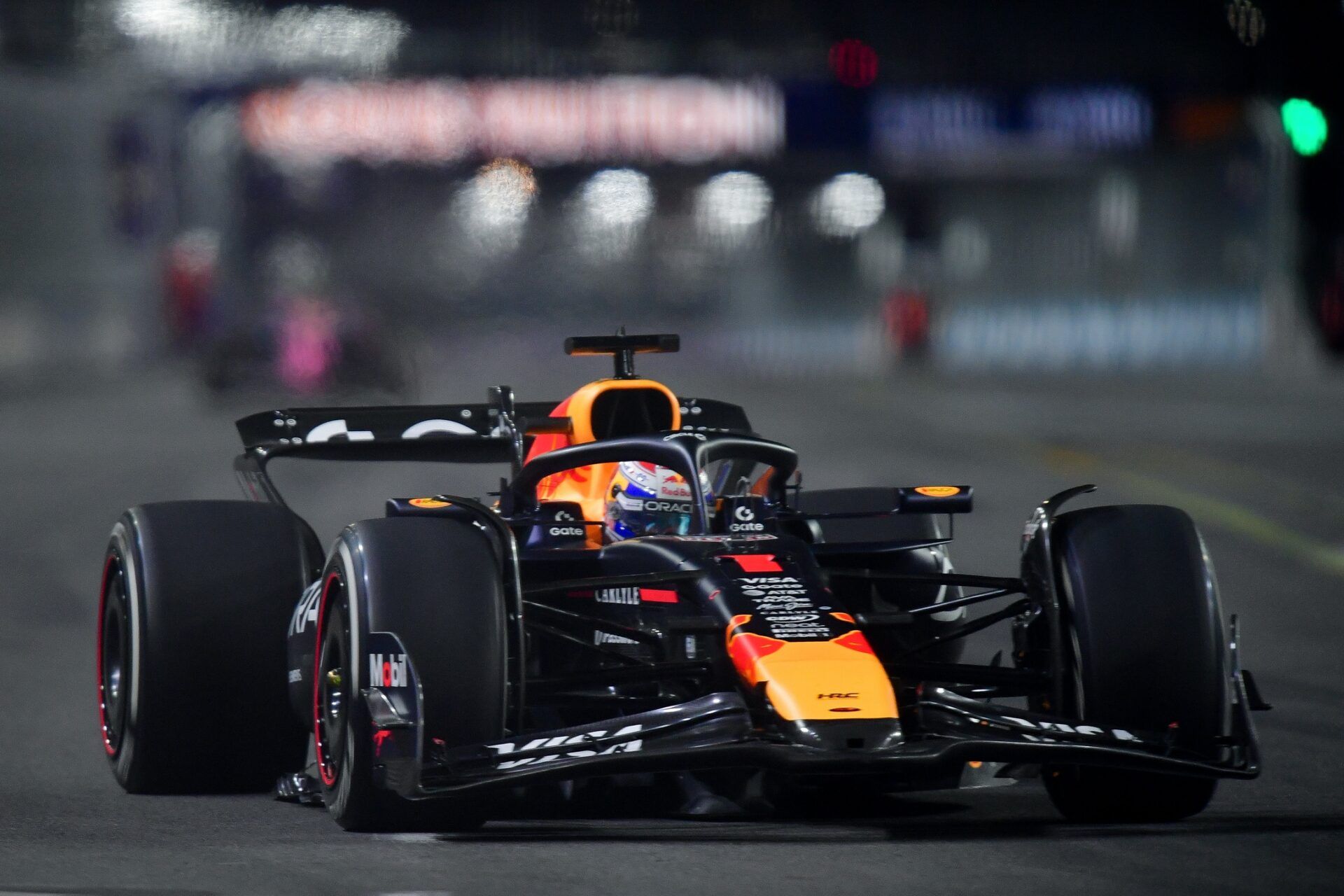
One of the key storylines on day one of Formula 1’s Barcelona shakedown was the debut of the DM01 power unit, developed by Red Bull Powertrains in collaboration with Ford Racing.
Red Bull’s long-anticipated power unit made a quietly powerful statement during its first on-track test, delivering a performance that immediately turned heads across the paddock.
Red Bull’s Barcelona Test Run Sends Warning Shots Ahead of F1’s 2026 Season
Just hours into its debut, the all-new DM01 power unit delivered an encouraging early verdict. Across Red Bull and Racing Bulls, the engine completed a combined 196 laps. This was an immediate show of baseline reliability that eased concerns surrounding a program many believed could become Red Bull’s biggest vulnerability under Formula 1’s sweeping 2026 regulations.
Isack Hadjar logged 108 laps, while Liam Lawson completed 88, providing engineers with early comparative data across two chassis platforms. “The day was surprisingly productive. We did more laps than we expected. Everything went pretty smoothly, we only had minor issues, so that’s pretty impressive considering it was basically the first day on track with the new engine,” said a delighted Hadjar.
The mileage total alone was significant. New power units, especially those built for radically revised regulations, typically encounter early hurdles. Instead, Red Bull’s DM01 ran cleanly through long stints. This allowed the teams to focus on systems checks, energy deployment mapping, and calibration rather than firefighting mechanical issues.
Racing Bulls chief race engineer Mattia Spini said, “The power unit is working well. It’s not perfect, but we didn’t expect it to be. We certainly need to work on several aspects, but we’re working very well together. Red Bull Powertrains, and the engineers with us and at the factory, are very open and honest. The relationship between the two groups is very good.”
That explanation aligned with Hadjar’s own post-run comments and reinforced the impression that the DM01’s debut was more than satisfactory for both drivers and their teams. This has now strengthened confidence within the Milton Keynes operation.
With the 2026 regulations set to introduce increased electrical output, simplified internal combustion elements, and stricter energy management demands, early reliability is seen as critical. Red Bull’s ability to log heavy mileage on the first test run suggests the project is progressing on schedule.
For Red Bull and Racing Bulls, the Barcelona shakedown represented more than just laps on a timesheet. It marked an early validation of its transition from customer power-unit user to full manufacturer. Making it one of their most ambitious moves in modern Formula 1.
While it remains far too early to draw competitive conclusions, the DM01’s major trouble-free debut offered a clear message: Red Bull’s engine program is off to a stronger start than many of its rivals expected.
