
F1’s winter break has been anything but calm behind closed doors as a technical argument regarding the 2026 engine rules has already sparked a battle that could shape the next era of the sport.
That question brought engine experts from across the grid together this week, following growing suspicion that two engine manufacturers may have found a clever edge. The meeting delivered progress, but not the kind that immediately levels the playing field, and for now, the suspected teams appear to be walking away with their advantage intact.
FIA Stepped In To Sort This Issue Out
The FIA called a meeting after rival manufacturers raised concerns about how the 2026 engine rules are being interpreted. Under the new regulations, engines will be limited to a 16:1 compression ratio, but the catch is that this ratio is only measured at ambient temperature.
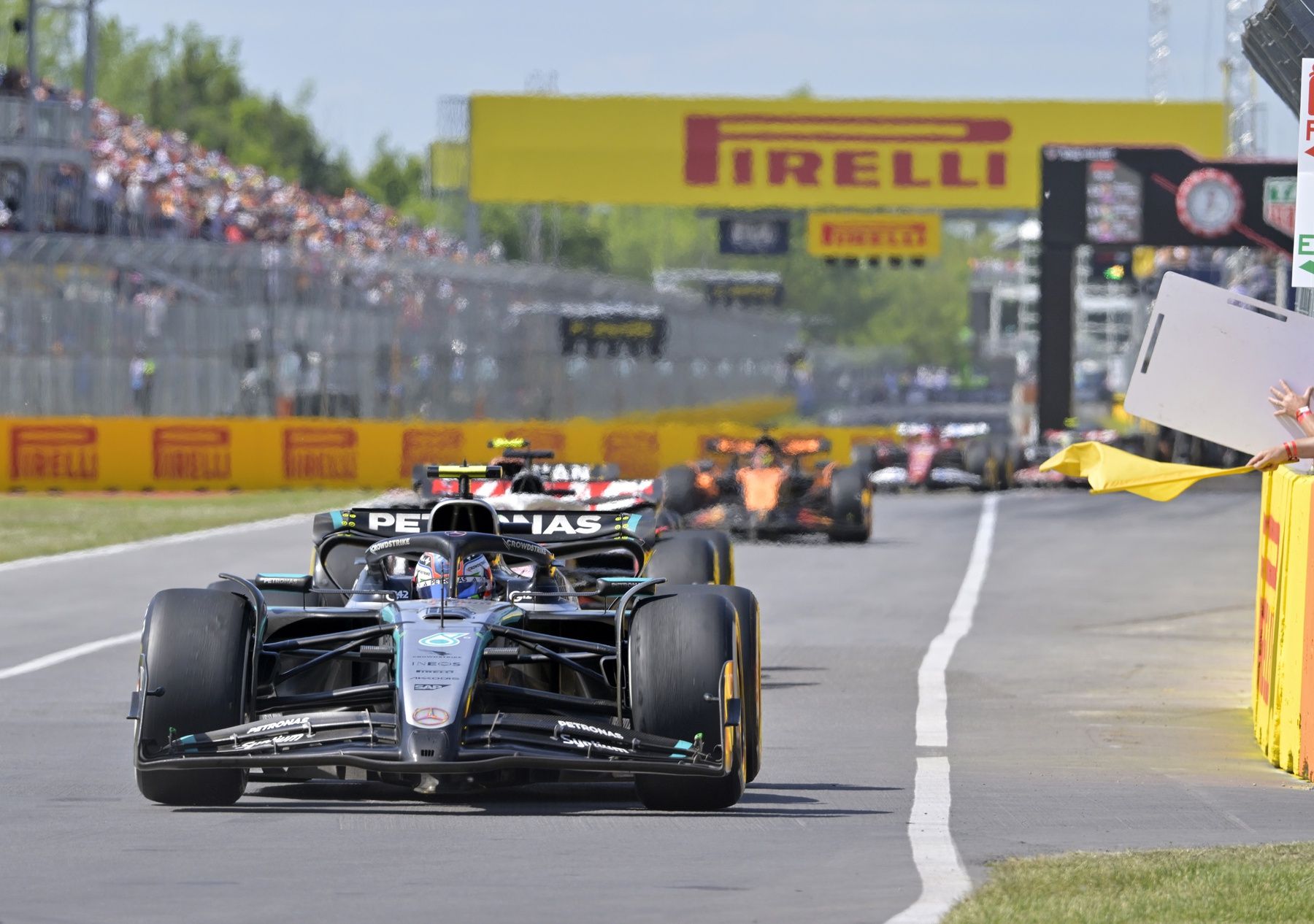
Rivals believe that Mercedes and, to a lesser extent, Red Bull, may have designed engines that effectively increase compression once the power unit heats up on track. If true, that would unlock extra performance without technically breaking the written rules.
Manufacturers, including Ferrari, Audi, and Honda, formally requested clarification from the FIA.
Rather than rushing to a verdict, the FIA gathered technical specialists to discuss whether a new way of measuring compression ratios when engines are hot could be agreed upon for the future.
Sources indicate the talks were constructive, and there is now an agreement on how compression ratios could be measured under operating conditions.
Mercedes and Red Bull Still Sit Pretty
Any adjustment to how compression ratios are regulated would require a formal change to the technical regulations. That process runs through the F1 Commission, where teams and manufacturers vote on proposed changes.
This is where the stalemate begins as Mercedes supplies engines to four teams while Red Bull powers two. That voting majority gives them significant influence, and without their support, any attempt to fast-track a rule change is likely to stall.
Even those pushing for clarity were realistic about what this week’s meeting could achieve as Audi’s F1 project boss Mattia Binotto made it clear that expectations were modest, “My hope in that meeting is not clarity on the regulation itself, but more to define a methodology for the future.”
That view proved accurate, as the FIA has not moved to ban or restrict the suspected loophole, and no immediate intervention is planned. The current rules remain in force, which means compression ratios will still be checked only at ambient temperature.
In practical terms, that means any performance edge Mercedes and Red Bull have found stays legal, at least for now, and rivals are left with little choice other than to respond through their own development work.
Future discussions with manufacturer leadership could yet lead to a proposal for change, possibly aimed at 2027 or later. But for now, the engine war has paused rather than ended.
