
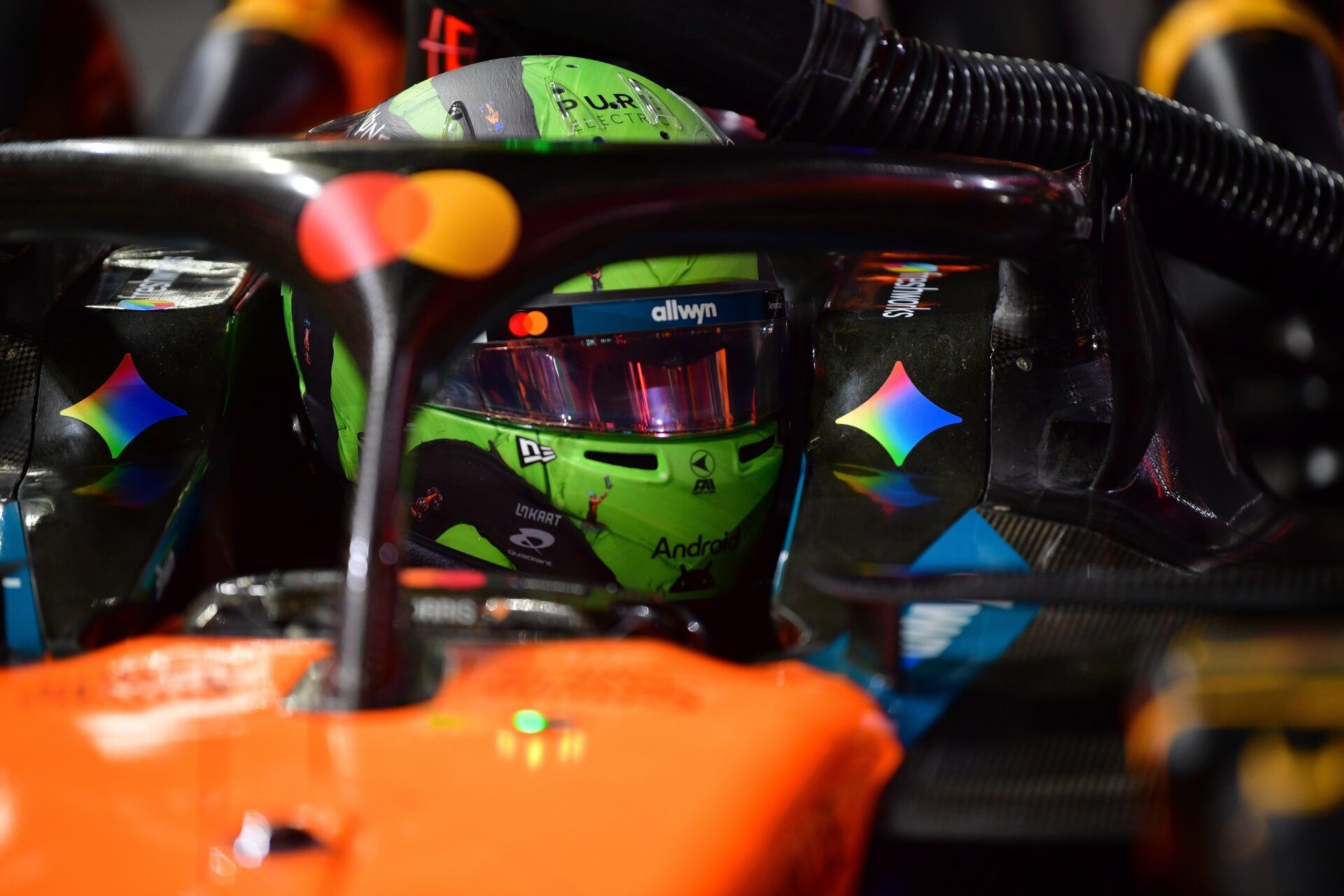
McLaren has spent the past few seasons rebuilding more than lap time, a process that culminated in Lando Norris’ 2025 title. Along the way, the team also restored trust, earning praise for treating Lando Norris and Oscar Piastri as equals in a paddock often shaped by politics and favoritism. That commitment to fairness, however, could soon face its toughest test yet, according to respected F1 pundit Karun Chandhok.
Why 2026 Changes Everything – F1 Pundit Explains How the Sweeping Changes Can Flip McLaren’s Script
With sweeping regulations changes looming this year, former F1 driver and respected analyst Chandhok has raised a red flag over whether the “Papaya Gang’s” commitment to fairness can realistically survive the sport’s next technical reset. And his concern cuts to the heart of how teams operate when development pressure reaches breaking point.
“I like the way McLaren has gone racing,” Chandhok said (via This is Formula One). “I think it’s good for the show. We’ve all enjoyed watching it.” That enjoyment, however, hasn’t come without internal strain. McLaren has made a point of giving both drivers identical machinery, identical upgrades, and identical opportunities, an approach that sounds simple in theory but is notoriously difficult to execute at the front of the grid.
So far, they’ve managed it. Chandhok acknowledged that keeping upgrades synchronized has been a defining feature of McLaren’s recent campaigns, even as competition intensified. Margins shrank. But 2026 is a different ball game altogether.
As a matter of fact, the new regulations won’t just reset aerodynamics and power units; they will trigger one of the most aggressive development races the sport has seen in years. As Chandhok put it, teams are nearing “the end of a run of regulations,” and once the reset hits, development speed will skyrocket. That’s where the problem begins.
In an ideal world, every new part rolls off the production line in pairs. In reality, early regulation cycles are messy, hectic, and resource-heavy. “There might be times, especially the early part of next year, where it’s like, ‘we got to really push something through, we can only get one made in time,'” Chandhok warned. “Then what?” The veteran pondered over.
That single question exposes a potential fault line in McLaren’s ethos. If only one upgrade is available, who gets it? The championship contender? Or the driver higher in the standings? Or does the team delay performance gains in the name of fairness and risk falling behind rivals who have no such hesitation?
For a team aiming to remain “at the sharp end,” as Chandhok put it, those decisions could define an entire season.
Other top teams have long accepted that equality bends under pressure. McLaren, however, has made equality part of its identity and its appeal despite persistent salacious rumors of favoritism. Fans have responded to that transparency, and internally, it has helped avoid the kind of toxic driver dynamics that have fractured teams in the past.
The question now isn’t whether McLaren wants to stay fair. It’s whether the F1 2026 reality will allow it.
