
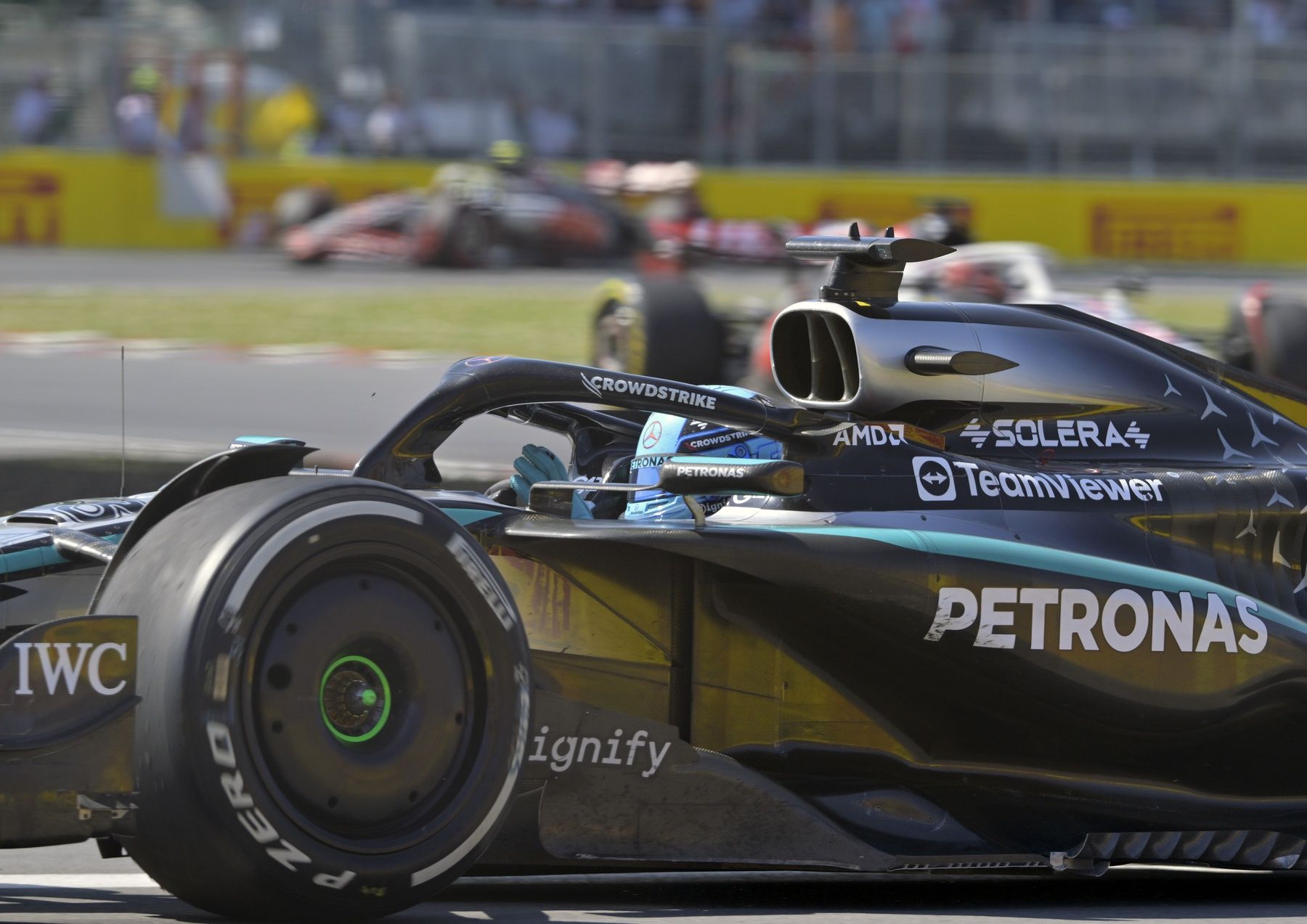
Ross Brawn has moved to cool the escalating debate surrounding a rumored engine compression-ratio ‘trick’ linked to Mercedes and potentially, Red Bull Powertrains.
He insisted that the controversy reflects Formula 1’s long-standing culture of innovation rather than a breach of sporting integrity.
F1 Boss Shrugs Off Mercedes’ Compression-Ratio Controversy Ahead of 2026 Reset
Speaking at the Autosport Awards, the former Ferrari, Brawn GP, and Mercedes technical chief dismissed claims that the concept undermines the spirit of F1’s 2026 power-unit regulations.
“I think that’s standard fare in F1. There’s always something to argue about,” Brawn said.
“Someone comes up with an innovative idea and others get frustrated by it. I think that’s just standard practice.”
The dispute began after reports claimed that certain manufacturers have found a way to effectively raise engine compression ratios by exploiting the conditions under which FIA compliance checks are conducted.
According to paddock reports, engines are evaluated in cold, static environments, but once operating temperatures rise on track, internal clearances and material behavior may change in a way that delivers higher effective compression, without technically failing inspection.
Such a gain would be particularly valuable under the 2026 regulations. They place a heavier emphasis on electrical deployment, energy efficiency, and tightly controlled combustion parameters. Any edge in thermal efficiency could translate into significant lap-time advantages.
Those implications have triggered concerns from fellow manufacturers Ferrari, Audi, and Honda. They are also heavily invested in the next-generation power-unit project. The trio reportedly believes the approach violates the intent, if not the literal wording, of the regulations. This violation, they claim, risks skewing competitive balance before the new era even begins.
Despite those objections, a recent meeting between engine suppliers and the FIA failed to find common ground. Instead, discussions reportedly leaned toward future regulatory clarification, rather than current legality. This has further frustrated Mercedes and Red Bull’s rivals.
Currently, there is little momentum within the FIA to issue a sudden ban or technical directive. Without clear evidence of a rule breach, officials appear reluctant to intervene, particularly so close to the start of the season.
Brawn’s words now carry weight given his own history of exploiting gray areas. His comments suggest that the compression-ratio debate fits a familiar F1 pattern: innovation first, protest second, and regulation later.
With the 2026 season fast approaching and manufacturers deep into development, the entire issue shows how finely balanced Formula 1’s technical rulebook is. Whether the alleged ‘trick’ becomes an advantage or not will only be clear when the new cars finally hit the track.
