
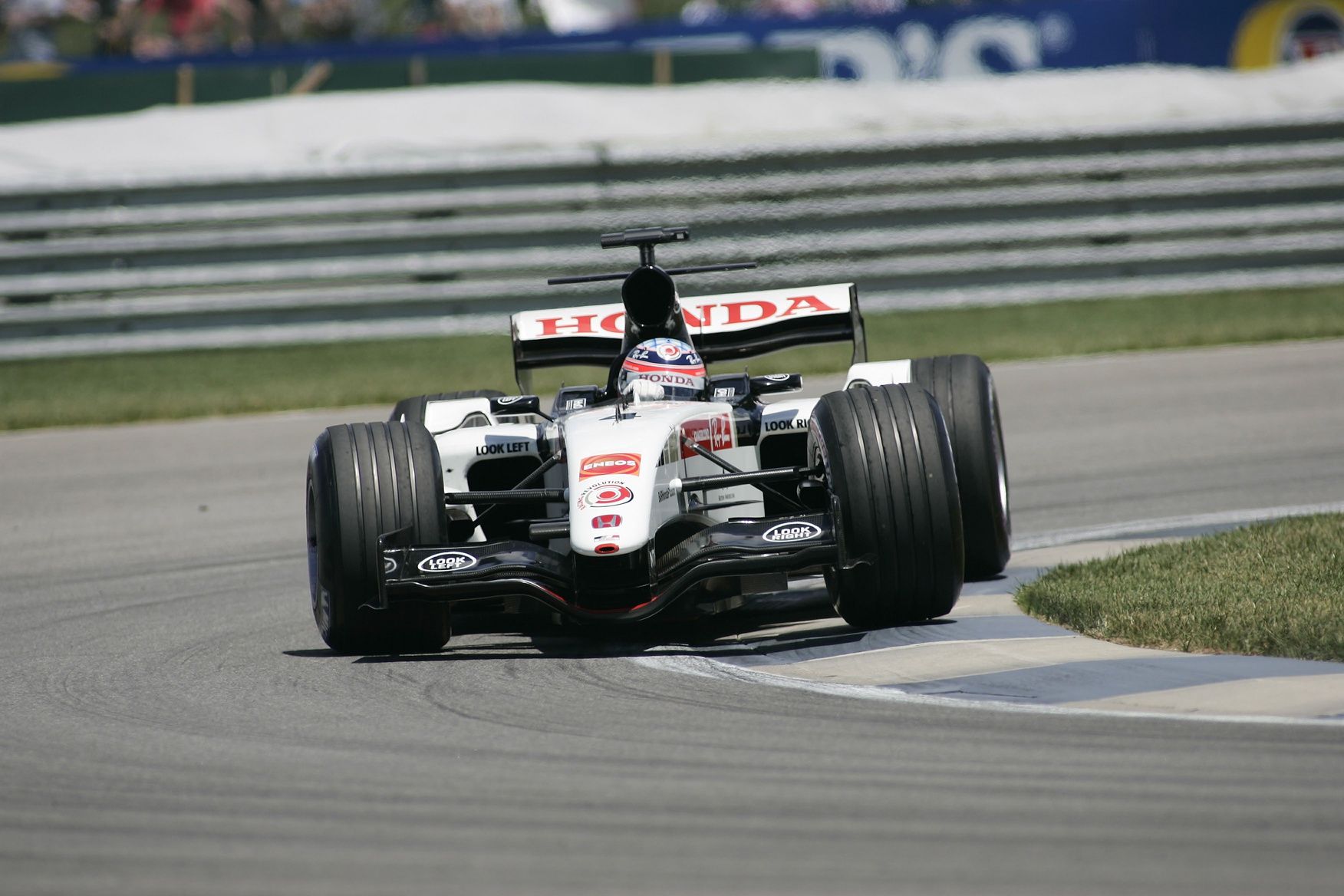
When Honda pulled the covers off its 2026 F1 power unit yesterday, it was more than just showing hardware on stage; it was also a sign that the Japanese manufacturer believes it has learned from the past and is ready to attack one of the biggest rule changes the sport has ever seen.
Honda’s Second Chance in a New F1 Era
The power unit known as the RA626H represents F1’s future, and from this season onwards, engines will rely far more heavily on electrical energy with a near 50-50 split between combustion and electric power. That shift is exactly what convinced Honda to return to the grid after previously stepping away.
Honda Racing Corporation (HRC) are no strangers to F1 as their journey began painfully in the year 2015, when an underperforming hybrid engine left the company struggling at the back of the grid. Honda rebuilt the entire system and eventually climbed to the top later with Red Bull and won championships before announcing a surprise exit.
They are back again now, but with a very different mindset, as the 2026 regulations place electrification above anything, aligning far more closely with Honda’s road car philosophy, and this new project is built around that belief.
Honda will supply power units exclusively to Aston Martin, and collaboration between the two sides began almost immediately after the Japanese manufacturer confirmed its return to the sport.
“Since we confirmed our return in spring 2023, we’ve been in contact with Aston Martin from the very first stages and have been preparing ever since,” said HRC F1 project leader Tetsushi Kakuda. “I think we have a very good relationship, and more recently, we were able to test with Aston Martin engineers and technicians in conditions very close to those of a real car, so preparations are going well.”
Honda’s Focus on Electrification and Packaging
The most striking element of Honda’s new power unit is its battery, and even though it may not look dramatic from the outside, Kakuda made it clear that it is completely new internally. The battery has been redesigned chemically and structurally to handle the extreme demands of F1’s hybrid racing.
Unlike Formula E, where batteries are large and discharge steadily, F1 batteries are small and pushed to their limits and hence are constantly charged and discharged at high rates, a factor known as C-rate.
For 2026, the FIA will allow teams to recover up to 8.5 megajoules of energy per lap, reduced to 8 megajoules at certain circuits, and power delivery from the MGU-K will also vary based on speed, meaning teams must carefully manage how and when electric energy is deployed.
Honda believes its biggest opportunity lies here, and to meet Aston Martin’s request for a compact package, engineers developed a two-stage battery layout, stacking components vertically to reduce overall length.
Cooling is now one of the key challenges, as with more electrical power packed into a tighter space, managing temperatures will require close cooperation with specialist partners and careful integration into the chassis.
However, Kakuda admitted the combustion engine presents more uncertainty, “The electrification part is proceeding as planned. However, this isn’t necessarily the case with the thermal part. Ultimately, a lot depends on the development time available.”
“In Formula 1, each team interprets the regulations in its own way to establish what can and cannot be done, and then the FIA decides whether that interpretation is acceptable or not. We don’t know what our rivals are doing, so we can’t comment, but that’s part of Formula 1,” Kakuda added.
Honda’s plan is to build strength through their battery, work methodically on the combustion side, and rely on close cooperation with Aston Martin to refine the final package.
