
‘FINALLY’ – F1 Fans Applaud a Long-Overdue Rules Revolution As Drivers Take Center Stage
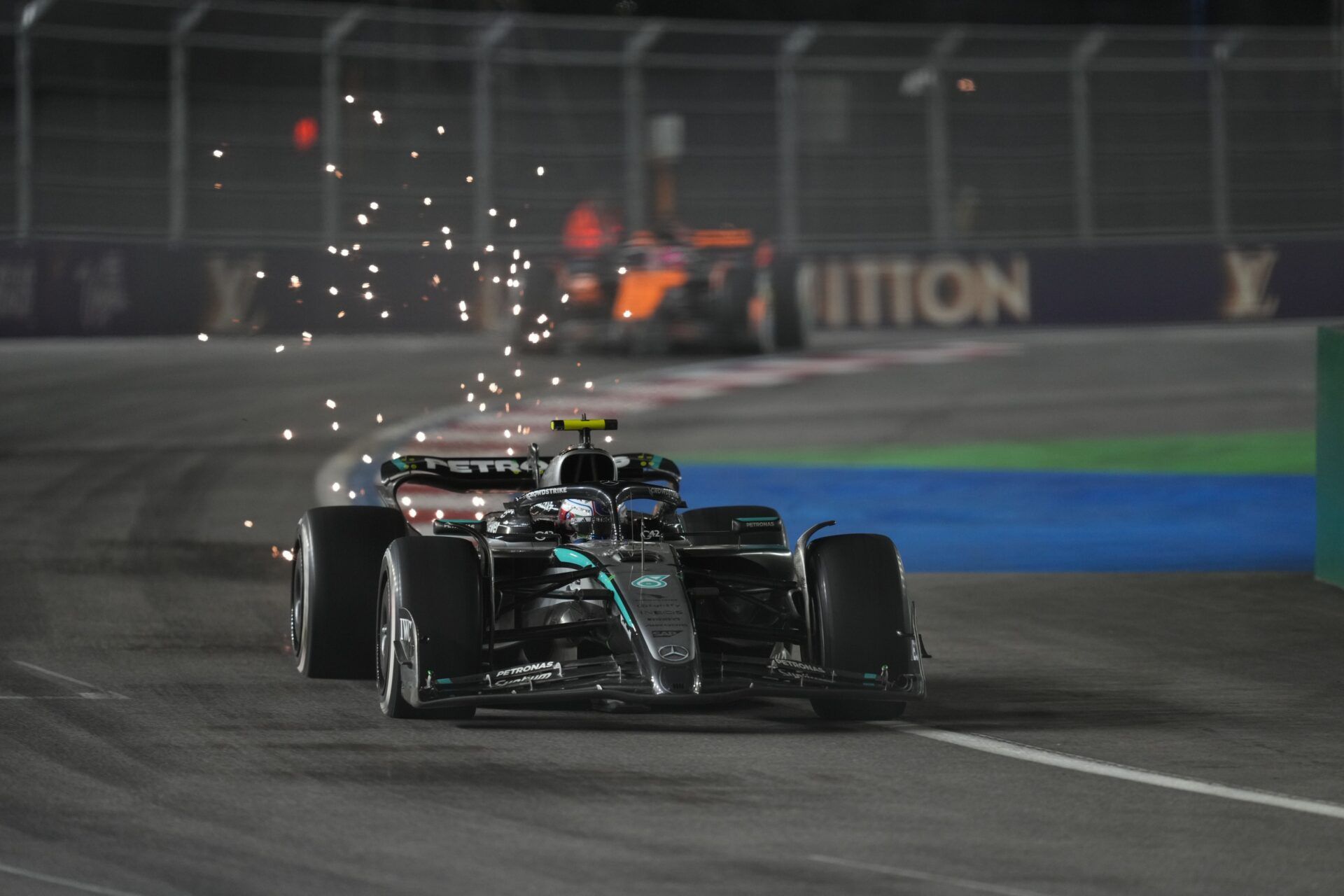
At the heart of this optimism is the car itself. The new and revised 2026 machines will be smaller, lighter, and more agile, reversing a long trend that left drivers wrestling with bulky designs that punished close racing.
Shorter wheelbases (down by 200mm), a reduced width by 100 mm, and simpler bodywork promise cars that respond more directly to driver input. Furthermore, reduced reliance on intricate ground-effect floors and a shift toward flatter underbodies should usher in a new era, one that says goodbye to the old “perfect setup” era, ultimately opening the door to varied driving styles once again.
Reflecting on the revision, one enthusiastic fan couldn’t contain his excitement. “This is literally what F1 has been since 2020. 2021 was also only saved by all the politics and drama between 2 titans of the sport. I see 2026 changing all of that. Right now, nobody can race or overtake,” they wrote.
“Every high speed corner is flat out. Drivers can’t hustle the cars because the tyres won’t allow it. They can’t finish overtakes on the brakes because the cars are so cumbersome. They can’t push for more than 2 laps because the tyres, brakes or engine will overheat due to all the dirty air. Driving in the wet is impossible because the cars just aqua plain immediately. The input of the driver in “modern” F1 is the worst it’s been for decades.”
He further added on the limitations of the current setup before stating the positives of the upcoming machinery.
Aerodynamics, long viewed as a significant limiter in wheel-to-wheel racing, is also being rethought. Simpler wings and the removal of beam wings aim to reduce turbulent air, making it easier to follow through corners. The headline innovation: Active Aero replaces the old DRS system with something far more liberating.
Every driver can adjust their wings on straights, every lap, without artificial gaps dictating who gets an advantage. It’s a change that feels less manufactured and more racing-led.
“Drivers are taking Copse corner and Pouhon flat out with their eyes closed. I find it hard to believe the drivers will have less impact in 2026 than 2020-2025. To me at least, all the battery management gives the drivers more to do and a bigger chance to make a difference,” noted the same fan, welcoming the new revisions with open arms.
Delivering the bottom line, he concluded, “Having less downforce also means they have to be far more committed in high-speed sections than before, as the car is no longer on rails. Even if one engine dominates, or if the field spread isn’t close as 2025, the drivers can still play a bigger role than before.”
Meanwhile, a second user echoed the same, stating, “If dirty air won’t be such a massive factor- it will be already better than the previous one.”
In hindsight, drivers are gaining new tools rather than losing them. With the new setup, strategic energy deployment becomes central, with multiple modes allowing drivers to attack, defend, or recharge intelligently.
The new Overtake mode rewards those close enough to apply pressure, while the Boost function adds a layer of tactical choice throughout the lap. Combined with greater control over battery management, races could hinge as much on decision-making as outright speed.
The removal of the ever-controversial DRS system has also boosted fan confidence, opening the door to bold speculation – “FINALLY scrapping DRS for manual override power, real skill overtakes are BACK! Lighter, shorter, nimbler cars built for wheel-to-wheel chaos we’ve all been craving. F1 listened. 2026 will deliver. Who’s most dangerous with these rules, Max, Lewis, Lando, or someone else?”
That said, not all fans are amused by the removal of the Drag Reduction System (DRS) and other sweeping changes, and some have been vocal about their displeasure.
Furthermore, the power units (1.6L V6-Hybrid) reinforce that theme. Although the FIA engineers haven’t completely stripped away the hybrid powertrain, the balance now shifts dramatically toward electric power, removing outdated complexity and making energy management a genuine skill rather than a mere afterthought.
That said, the removal of DRS has clearly caught the attention of long-time fans, many of whom have welcomed the arrival of the new Active Aero technology – “With DRS gone, I hope we can see some decent overtaking action with this car. I can’t wait for the test day and the start of the season!”
In short, the switch to fully sustainable fuels reinforces the idea that innovation doesn’t have to come at the expense of competition and that progress doesn’t need to be overly complex or artificially engineered to create excitement.
