
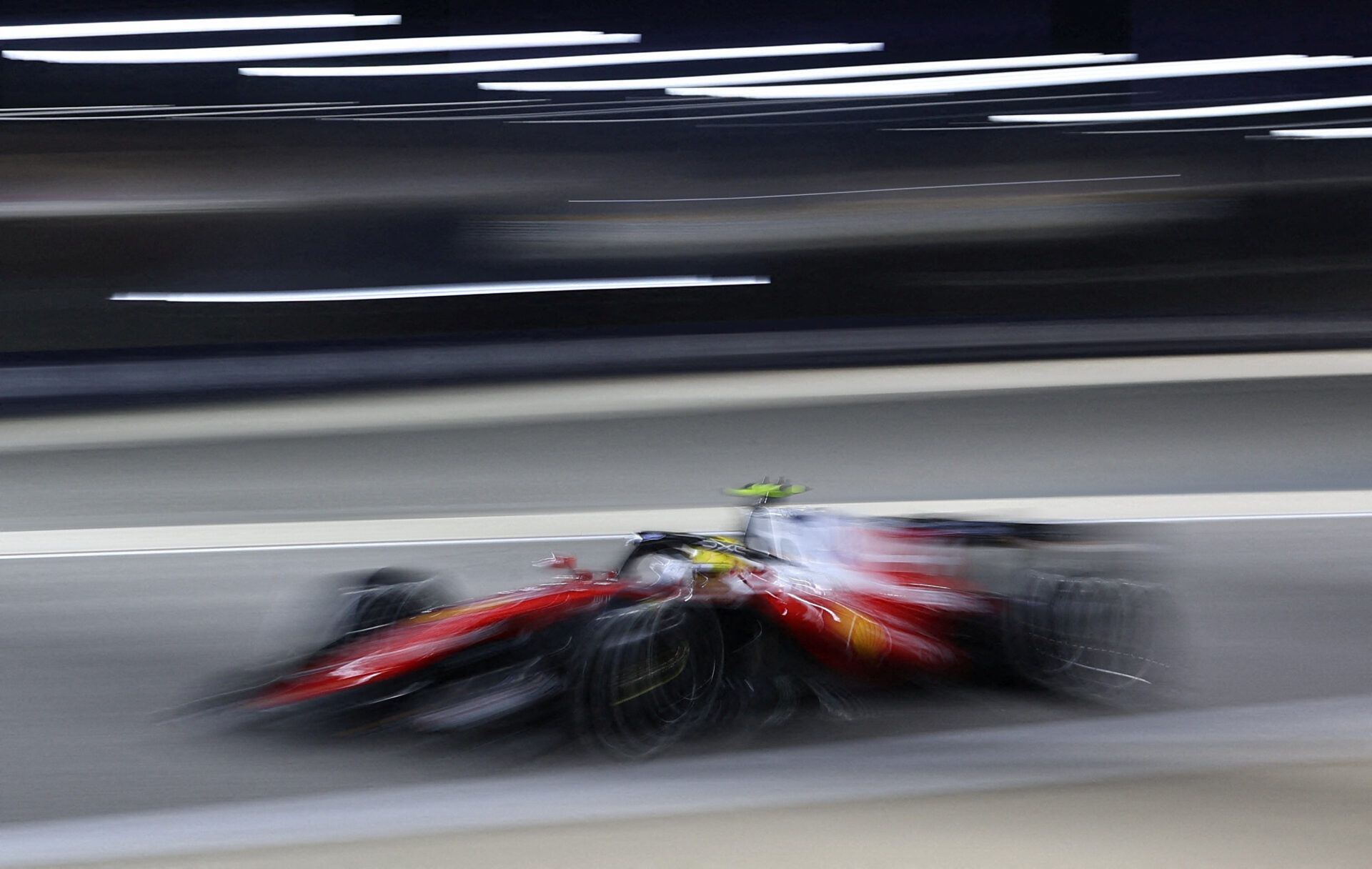
F1 teams are not only having to figure out the new regulations for the 2026 season, but are now also stuck trying to figure out how to start a race effectively. The core principles of the new engine rules are having a massive impact on how teams approach the new campaign. Bahrain testing provided fans with plenty of insight into how teams are faring early on, but the race start concerns remain one of the most prominent issues so far.
How are teams handicapped?
F1 Drivers Risk Losing ‘Seven’ Spots at the Start of Races
In the past, the MGU-H played a significant role in getting the turbo up to speed for an effective race start. However, under the new regulations, the electric motor cannot be deployed at speeds below 50 km/h. Therefore, drivers must now rely on the internal combustion engine to keep the turbo within its optimal operating window.
As a result, practice started in Bahrain, and testing involved drivers revving extremely hard for up to 10 seconds to get into the window. Not only are drivers now burdened with another focus point, but the engine itself carries a heavier load.
While power units usually stabilize just above 12,000 rpm, the tricky race start saw numbers of over 13,000 rpm in Bahrain. In contrast, under the previous regulations, these numbers were achieved only with maximum effort out on the track.
“The difference between a good and bad start last year was you got a bit of wheelspin or you had a bad reaction time, whereas this year it could be effectively like an F2 race where you almost go into anti-stall or something,” McLaren star Oscar Piastri said. “You’re not just losing five metres or so, you could be losing six or seven spots if it goes wrong.”
In the past, the MGU-H meant cars only revved between 9,000 and 10,000 rpm at the start — far removed from how the new engines operate.
“At the moment, we’re just sort of going through our procedure,” Mercedes driver George Russel said. “And I’m only doing my launch when I’m in a given window. But we are very conscious that for a race start, you go when the lights are out, you don’t go when your specific turbo is in the right window.”
Solutions are already being discussed, including the MGU-K. However, if the MGU-K were to be used at the start, it would come at the cost of performance through the first few corners. Ferrari, on the other hand, could reportedly use a smaller turbo, which should reach the optimal operating window quicker than its rivals.
