
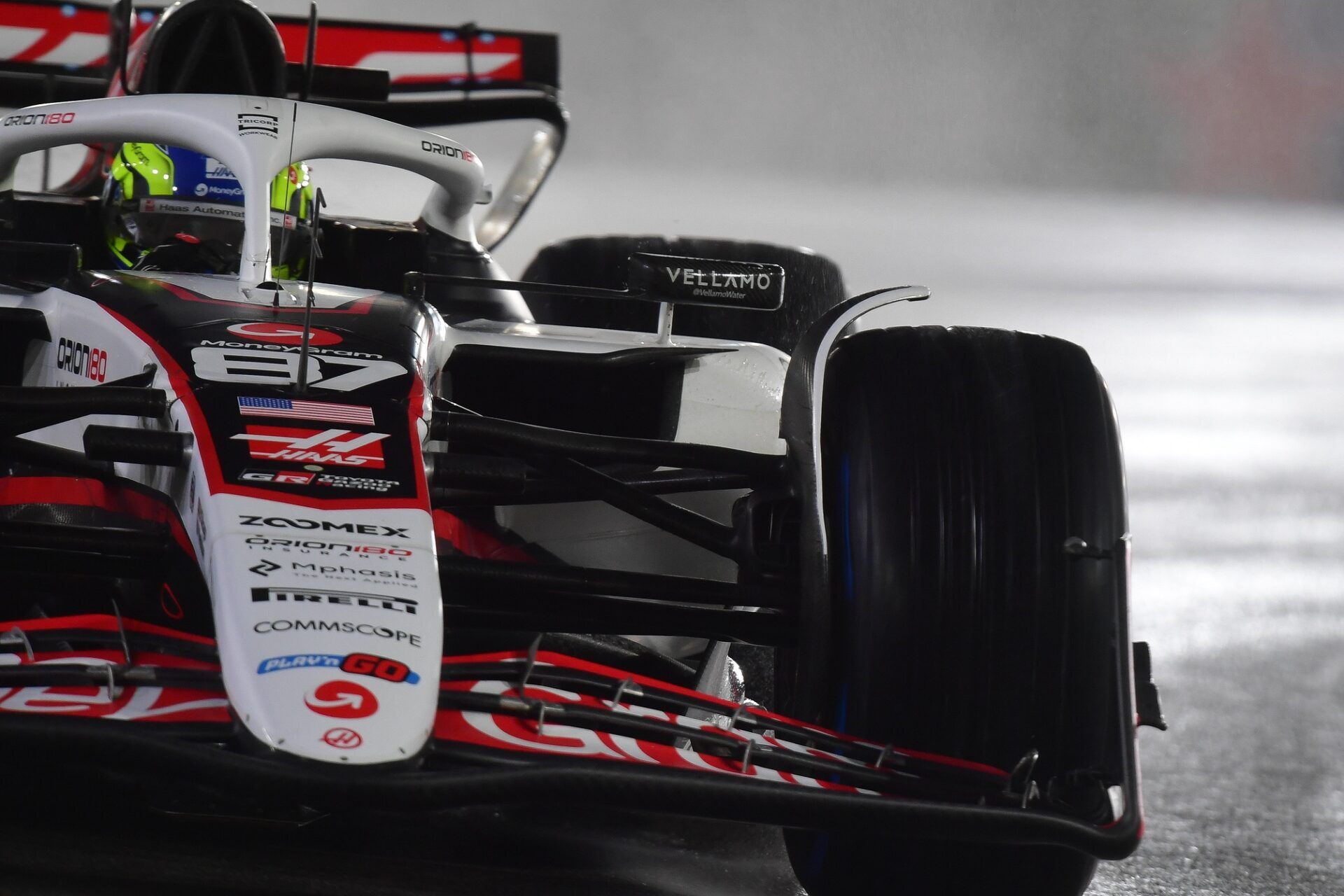
The F1 world loves a good technical argument, and as the sport edges closer to the 2026 regulation reset, an old debate is back in the spotlight. This is all about front suspension and whether teams are better off running pushrod or pullrod layouts. In modern F1, small choices like this can shape the entire pecking order.
As seen on several 2026 cars during their filming-day test runs, a clear trend is emerging: more F1 teams are drifting back towards pushrod suspension at the front, even though pullrod became the popular choice during the current ground-effect era. The reasons are technical and deeply tied to aerodynamics rather than pure mechanics.
Suspension Layouts Matter More Than Ever in F1
Pushrod and pullrod suspensions do the same job: connecting the wheels to the chassis and helping control ride height, stability, and handling. The difference lies in how the load is transferred.
A pushrod uses a rod that pushes upward into the chassis when the wheel hits a bump, whereas a pullrod does the opposite, which is to pull downward into the car. That change in direction might seem minor in terms of aero performance, but it affects where key components sit and how air flows around them.
During the current technical cycle, many F1 teams leaned towards pullrod front suspension. Engineers found that it offered aerodynamic advantages by reducing component mass and improving airflow from the front wing to the center of the car. Managing tyre wake and guiding air towards the floor became easier, which was important under ground-effect rules.
But every F1 regulation change rewrites the rulebook, and for 2026, the cars face very different challenges. Active aerodynamics, revised front wings, and new limits on outwash have forced teams to rethink their priorities, and as a result, the front suspension debate has reopened.
Of the cars seen so far, a majority have opted for pushrod layouts at the front, which include Red Bull Racing, Racing Bulls, Mercedes, Haas, and Audi, and Ferrari is also expected to run pushrod at both ends of the car.
Only Alpine and Cadillac have so far committed to a pullrod layout at the front, with both already testing it on track during their respective filming days.
Aero Choices Driving the 2026 F1 Trend
One key reason behind the shift is packaging: at the rear, almost everyone uses pushrod suspension, and the diffuser remains bulky, so teams want maximum freedom to shape airflow in that area.
The front is where philosophies split, as in the previous era, pullrod helped teams manage airflow from aggressive front wings designed to push air outward. For 2026, the FIA has tried to limit that outwash effect. Therefore, front wings now play a different role, especially with active elements changing how air is directed around the car.
This came up during McLaren’s discussions ahead of testing as technical director Rob Marshall explained that suspension choice is mainly about how it works with the front wing, “I would say pushrod or pullrod… several cars used one or the other last year and in previous years. It really comes down to an aerodynamic choice, which front suspension setup best suits your front wing.”
F1 Teams have explored dozens of front-end suspension concepts during development, as the front wing is the first part to touch the air, and everything downstream depends on what happens there.
As testing continues and more data rolls in, the picture will become clearer on which suspension setup works the best heading into the new regulation period.
