
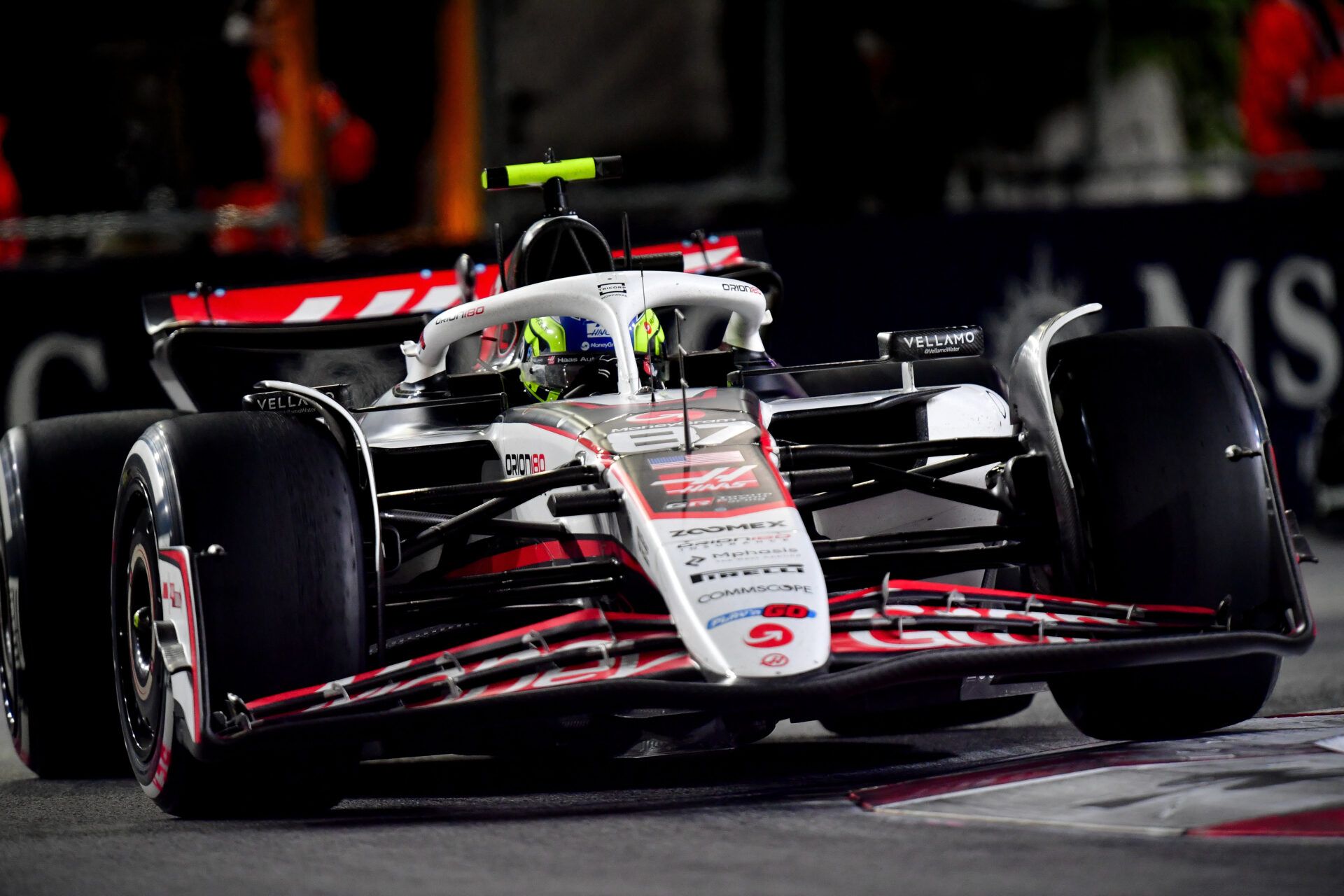
The new regulations for the 2026 F1 season will change many aspects of the sport, and qualifying could also reportedly be affected. Qualifying has grown to become an extremely important part of modern F1, as a driver’s starting position often reflects where they’ll finish.
How will this key event be affected by the new regulations?
F1 Team Principal Says out Laps Will Be Key in Qualifying in 2026
The fact that engines will be “starved” for power this upcoming season means drivers will have to manage their speed and power very carefully. A slight misstep, and a car can lose nearly a second in lap time.
This will have a particularly big impact on qualifying, where fighting on track is irrelevant and lap time is everything.
Haas team principal Ayao Komatsu detailed the dynamics of qualifying in 2026, emphasizing battery usage as a central factor. “There is more vulnerability at the start of the season (as teams figure things out),” he said, via The Race.
“I think if something goes wrong, I think it will be pretty obvious. If somebody is not deploying correctly, let’s say opening a qualifying lap on the pit straight, or going into Turn 1, if somebody is not going very quickly, then you will realise straight away they didn’t do it correctly. So I think it will be very visible, especially early on.”
Using the limited power effectively could make the difference between starting on pole and starting deep in the midfield.
“We’re not talking about tenths,” Komatsu added. “You can lose half a second, six tenths, seventh tenths very, very easily. That’s the scary bit.”
It’s very, very important how you go through those last couple of corners,” he said.
In qualifying, drivers will not only have to focus on their flying laps but also on putting together a strong third sector on their outlaps to build up proper momentum for the timing lap.
“If you don’t carry enough speed out of, let’s say, Turn 14 in Barcelona, by the time you come to the start/finish line, you don’t have enough speed,” he said. “So your qualifying lap is already ruined. But if you try to get the speed up, but then have too much throttle, you are deploying towards the end of the outlap, so you just waste the battery on the timed lap.”
Mastering a new set of regulations is nothing new in F1. Rules have frequently changed throughout the history of the sport. This year, however, will mark the steepest learning curve teams have faced in a very long time.
