
College sports found itself at the center of a political firestorm today, Thursday, July 24, when U.S. President Donald Trump signed an executive order intending to preserve amateur athletics.
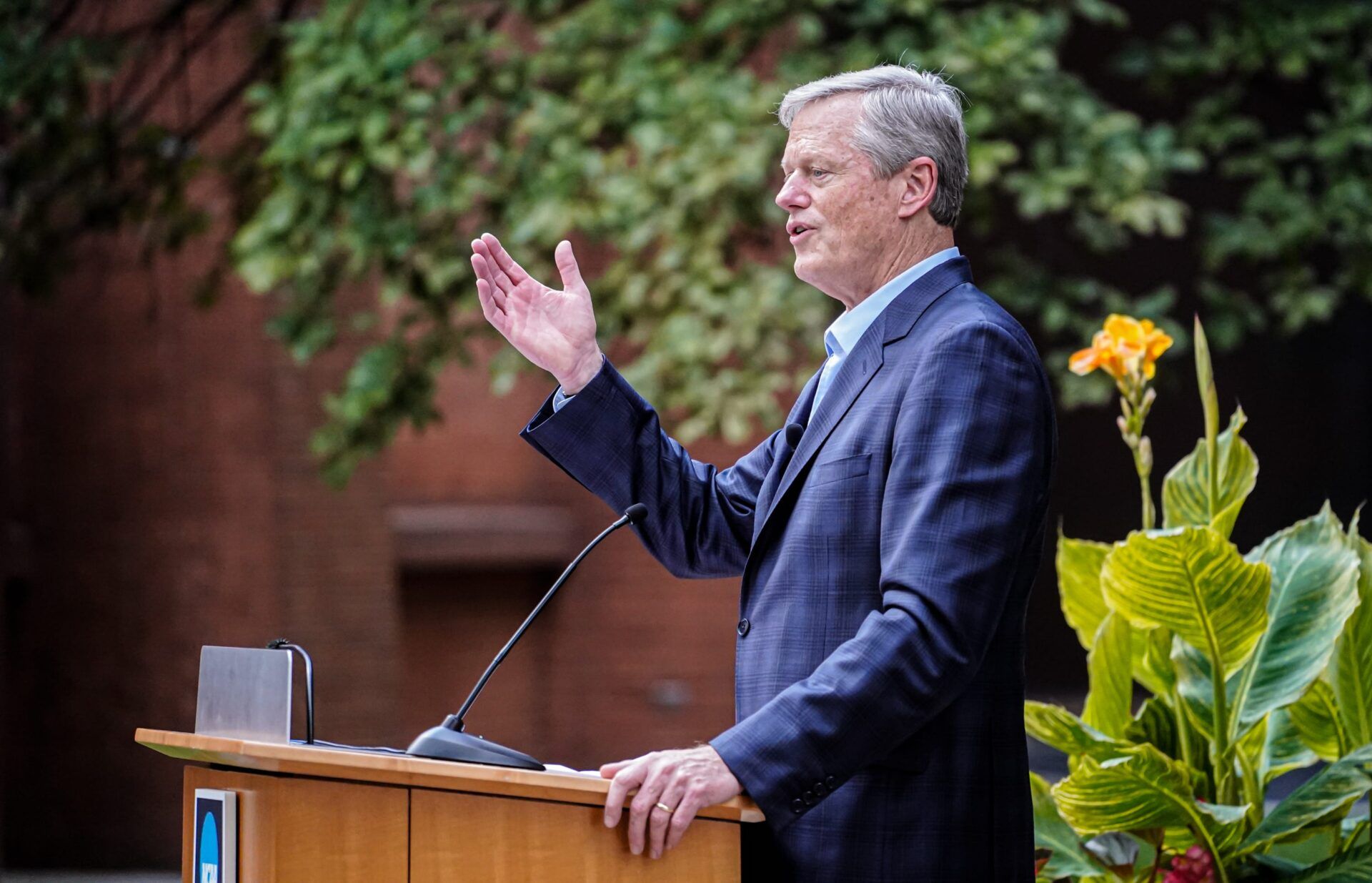
NCAA President Charlie Baker wasted no time responding with cautious optimism mixed with calls for continued congressional action.
What Does Donald Trump’s Executive Order Mean for College Athletics?
The executive order, titled “Save College Sports,” directly targets third-party pay-for-play deals while reinforcing student-athletes’ amateur status. The directive also instructs the Secretary of Labor and the National Labor Relations Board to formally classify college athletes as non-employees under federal labor law.
Baker praised the administration’s commitment to protecting college sports for future generations.
“The NCAA is making positive changes for student-athletes and confronting many challenges facing college sports by mandating health and wellness benefits and guaranteeing scholarships,” he said in his statement.
“The Association appreciates the Trump Administration’s focus on the life-changing opportunities college sports provide millions of young people.”
Statement from NCAA president Charlie Baker in response to the President Trump executive order: pic.twitter.com/XiGM4WgXix
— Nicole Auerbach (@NicoleAuerbach) July 24, 2025
The timing couldn’t be more critical. The NCAA and Power Four conferences have spent recent years lobbying Congress to address the evolving landscape of college athletics, particularly around NIL deals, competitive balance, and labor classification issues.
Baker’s response shows the association views this executive order as a step in the right direction, even if it doesn’t solve everything.
How Does This Executive Order Address the NCAA’s Biggest Concerns?
Trump’s directive hits on three key areas the NCAA has been fighting to protect:
- Clarifying amateur status
- Limiting pay-for-play models
- Preserving scholarships and non-revenue sports
But Baker made it clear that the executive action alone won’t fix college sports’ biggest problems. The NCAA president acknowledged that significant challenges still require Congressional intervention, specifically through federal legislation like the SCORE Act.
That bipartisan bill would establish consistent national NIL standards, protect non-revenue sports programs, and create guardrails to prevent college athletics from becoming fully professionalized.
KEEP READING: ‘Step Back, Mr. President’ — Donald Trump’s Attempt To ‘Save College Sports’ Meets Fierce Pushback
The big question mark remains enforcement. Nobody knows yet which agency or potential new body, like the proposed College Sports Commission, will actually police the pay-for-play ban. That uncertainty creates space for more legislative and administrative moves down the road. Meanwhile, Baker struck a collaborative tone in his statement.
“We look forward to working with student-athletes, a bipartisan coalition in Congress, and the Trump Administration to enhance college sports for years to come,” he said.
The college athletics landscape keeps shifting, but the NCAA’s leadership continues working to balance innovation with tradition while protecting what Baker calls the core mission of education through sports.
