The 2025 season was a successful one for Georgia Tech as the Yellow Jackets finished with an overall record of 9-4. The school fell short of the final College Football Playoff rankings, landing at No. 22, but it marked the first time in ten years that the program achieved three back-to-back winning seasons under Brent Key.
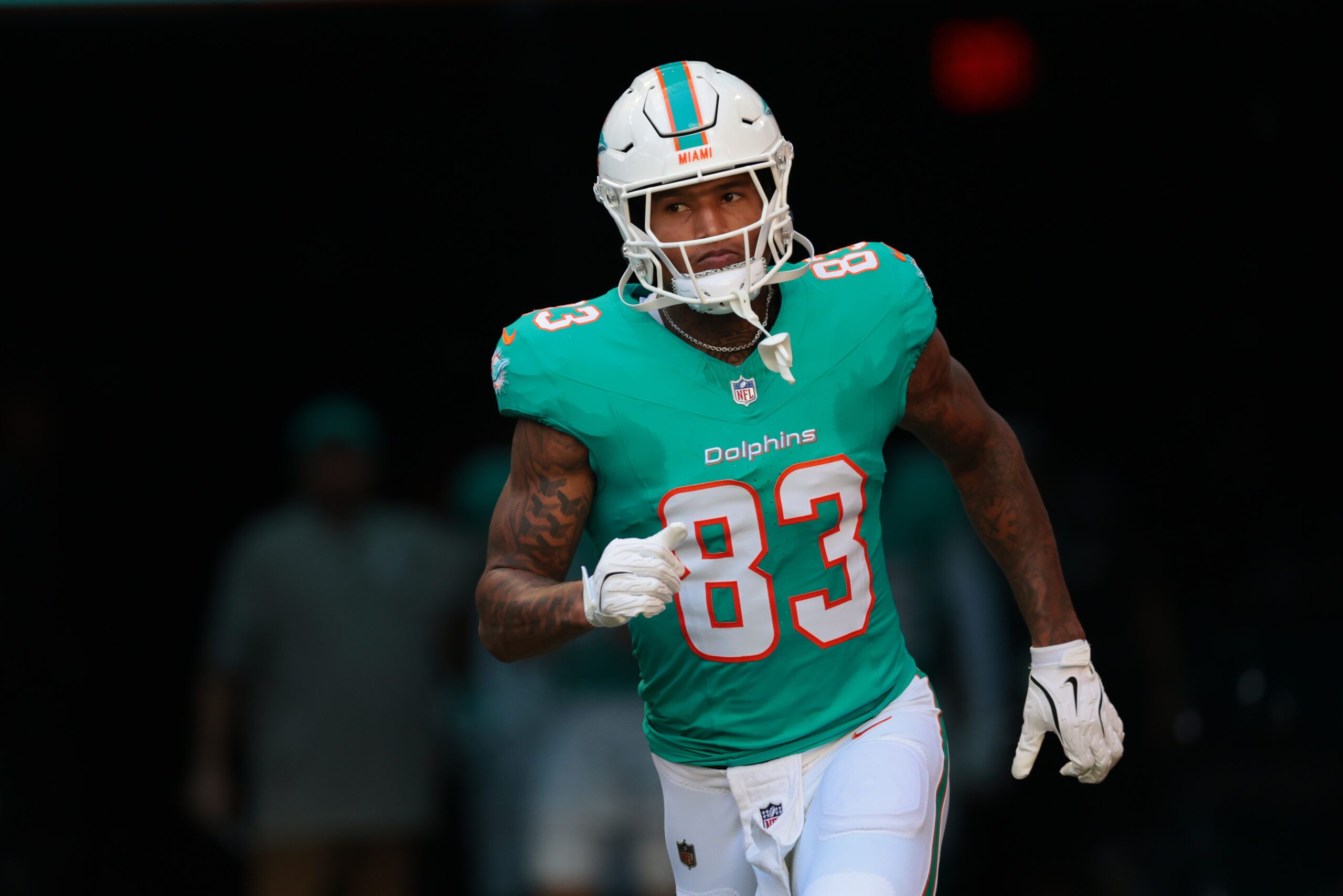
This achievement is also phenomenal for the PFSN College Football Offense Metric’s No. 17 team, which has alumni like Miami Dolphins tight end Darren Waller.
Ex-Georgia Tech star Darren Waller Opens Up About College Finances and NIL Reality
Waller joined Johnny Manziel on his podcast for a detailed discussion about football. Manziel asked Waller what it was like getting drafted, knowing his life would change and that he could really do whatever he would want in a way.
Waller answered with a critique of today’s NIL-driven college football.
“I mean I didn’t really do it,” Waller said (31:35). “I didn’t really get a lot of attention to myself. I was just like real, low-key, always kind of just like moving in the shadows really. But like I got my signing bonus I was in the sixth round. It was like 111k like after taxes it was 64,000. And you’re talking to somebody that’s like I wasn’t in it.
“We weren’t in that NIL bro. Like I was at Georgia Tech, they would give you $15 cash for you to get on the bus to go to the game. This will last you till Monday and it would just be like McDoubles and McChickens and like liquor in a plastic bottle. Um so like that’s what I knew. Like if I had $100 in my account in college, like I thought I hit the lottery.”
Waller was drafted in 2015 after playing at Georgia Tech from 2011 to 2014. He finished college before the NIL era, which began in June 2021 and has transformed college football. Even 20-year-old players can earn millions while in school, which Waller could only dream of in his college days.
Many support NIL as they say it gives athletes long-overdue financial opportunities, which ultimately allows them to support themselves and their families while in school. Some also believe that being able to earn money in college may encourage athletes to stay longer and complete their education rather than leaving early for the pros.
However, many argue that NIL has overshadowed college sports’ integrity, as players are now effectively paid to play. From Carson Beck transferring to Miami via the portal to Bryce Underwood flipping from LSU to Michigan, NIL deals have drawn criticism for prioritizing money over team commitment.
Even top high school or portal talent is often funneled to a few big schools with wealthy alumni and strong NIL networks, like Oregon’s Nike-backed program. Georgia Tech also used NIL to attract key linemen and receivers. This trend makes it harder for smaller programs to compete for elite recruits.