
The NIL era hasn’t just changed college football; it’s completely flipped the script on how the business works. In less than five years, we’ve watched money flow into programs at unprecedented levels, creating opportunities for players but also unexpected consequences that ripple through every corner of the sport.
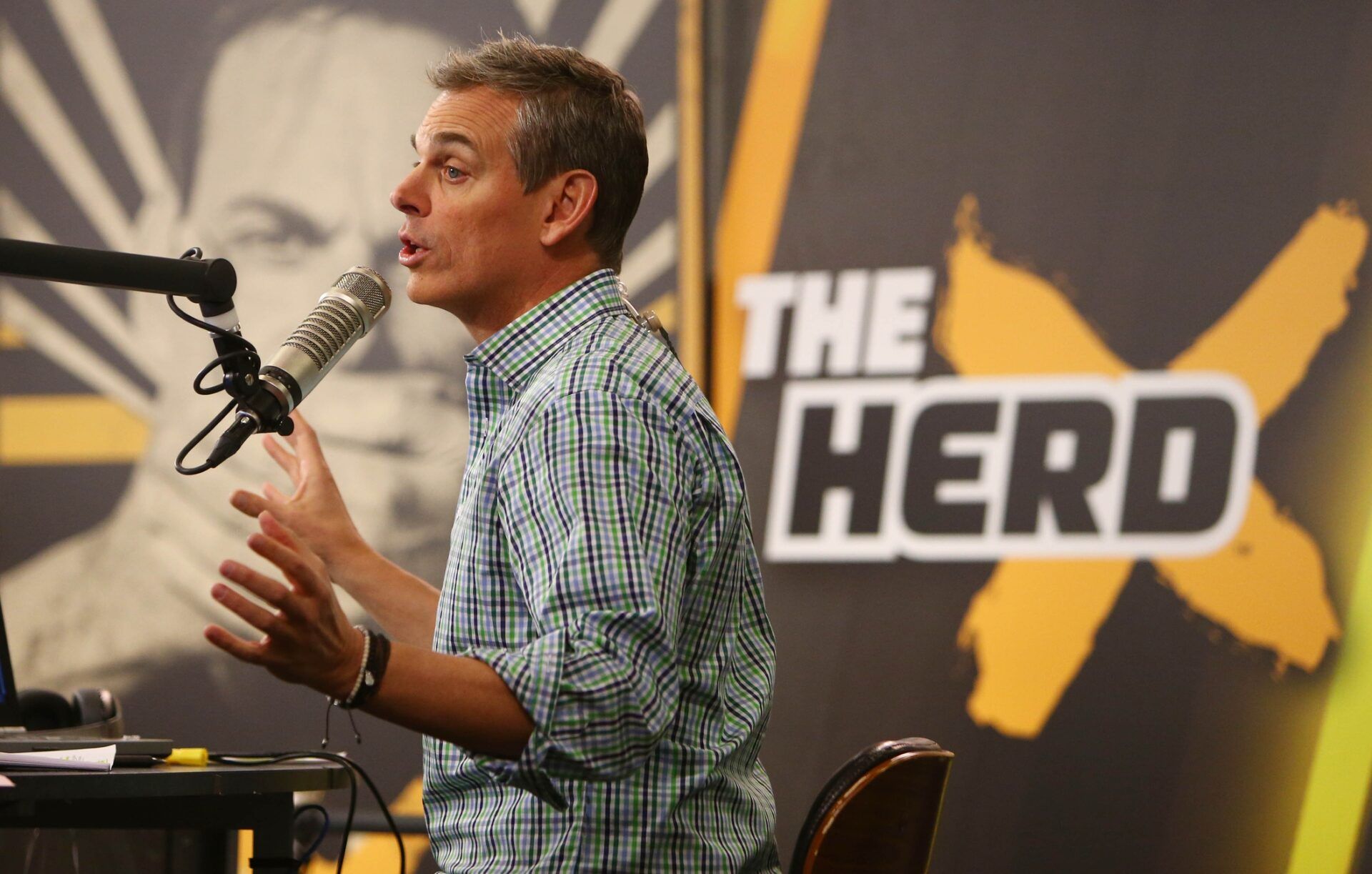
While most fans focus on how NIL benefits athletes, Colin Cowherd recently joined The Joel Klatt Show to explore a fascinating side effect: how all this spending might actually be protecting the jobs of high-paid coaches.
How Does NIL Spending Create Job Security for College Coaches?
The numbers behind NIL spending are staggering and impossible to ignore. According to projections, the Oregon Ducks will spend a six-figure amount per player in 2026. That means players who once received nothing beyond scholarships now earn around five times what the average American makes annually. However, Cowherd argues that NIL’s impact extends far beyond player compensation.
“The NIL, you know, these coaches that all hate it, it actually makes many of the coaches unfireable. If I’m spending $18 million on players, you can’t go to a booster and go ‘Hey, by the way, can you buy out Lincoln Riley for $72 million and pay the next coach $80 million?'” Cowherd explained.
His logic makes perfect sense: when boosters are already writing massive checks for player payments, asking them to fund expensive coaching changes becomes much harder.
While calling coaches “unfireable” might be an exaggeration, the financial reality has shifted. For example, USC invested $300 million in facilities and $18 million in NIL payments. Adding another $160 million to fire Lincoln Riley and hire his replacement suddenly seems impossible, even for a program with deep pockets.
Why Are Schools Like LSU Stuck with Expensive Contracts?
Cowherd’s analysis extends beyond Riley to other high-profile coaches facing similar protection. Brian Kelly at LSU represents another perfect case study. Kelly signed a ten-year, $95 million contract just four years ago, with incentives that could push his total compensation over $100 million. Even if LSU fails to reach the playoffs in the upcoming seasons, Kelly’s job appears secure.
The financial strain at LSU makes this situation even more interesting. The school is already struggling to meet NIL obligations and projects a multi-million dollar deficit in the coming year. Finding additional funds for a coaching change becomes nearly impossible when you’re already bleeding money on player payments.
This dynamic represents yet another layer of complexity in college football’s evolving financial landscape. The sport has always been a big business in the United States, but NIL has introduced budgeting challenges that athletic directors have never had to navigate.
Players now exercise unprecedented free will through NIL deals and the transfer portal, while coaches may have inadvertently gained more job security than ever before. It’s one more way college football continues to transform in ways nobody could have predicted.
