
In today’s era of college football, we see players enter the transfer portal at a very high rate to leave one school and go to another. It’s become commonplace and something that fans, analysts, and coaches expect at this point.
However, last weekend, the University of Wisconsin made an unprecedented move by suing the University of Miami for poaching a Badger cornerback after the player had allegedly signed a contract with Wisconsin. The suit made headlines, and now one analyst believes that it could destroy the transfer portal.

Xavier Lucas Poaching Lawsuit Could Reshape NCAA Transfer Portal
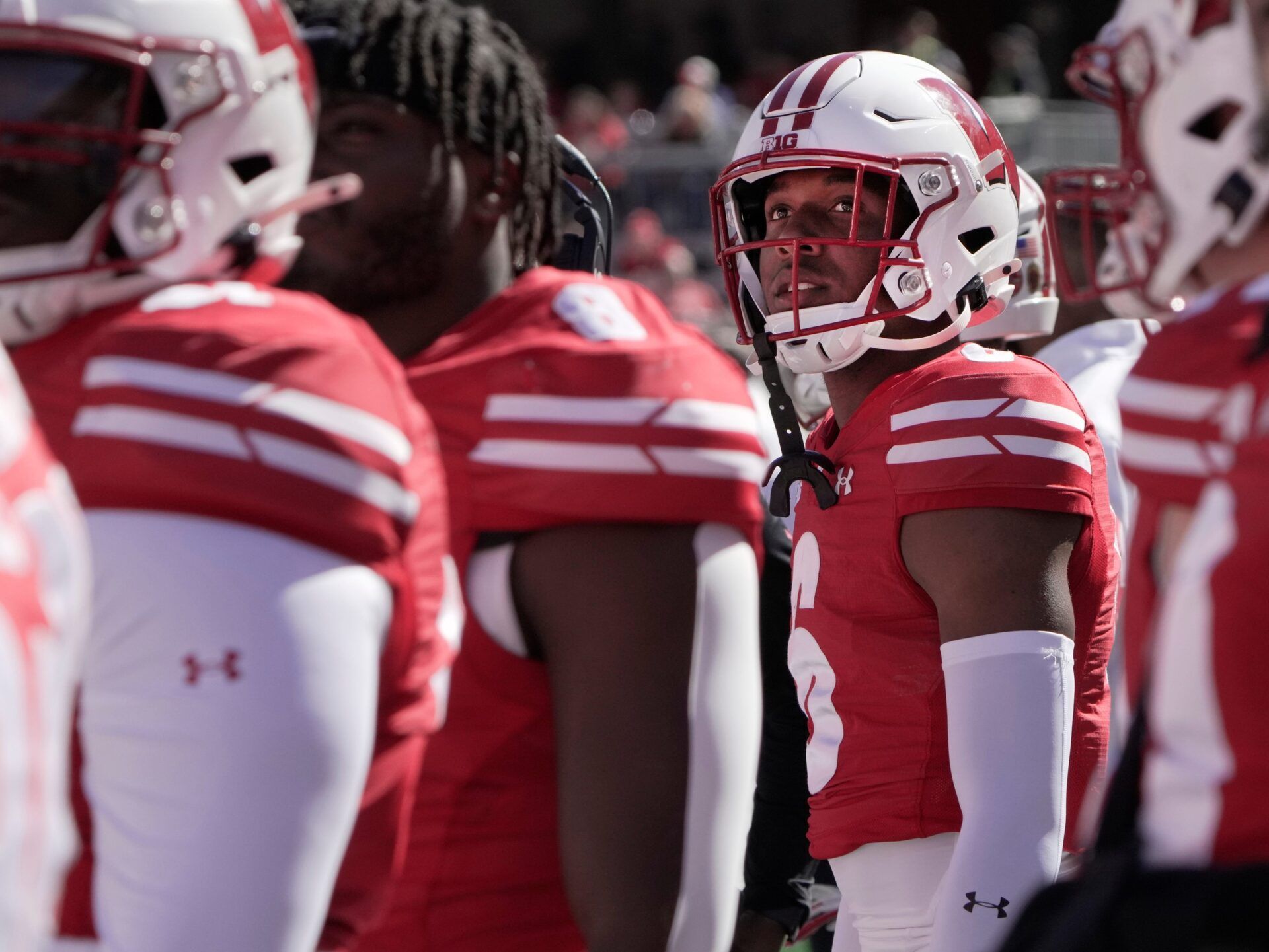
Xavier Lucas committed to Wisconsin as a four-star recruit in the 2024 recruiting class. He ended up starting for the Badgers as a true freshman last season and was one of their better players in the secondary.
According to Wisconsin, the Badgers signed a two-year-long revenue-sharing contract with Lucas at the end of his freshman season. Despite knowing that Lucas had a contractual agreement with Wisconsin, Miami approached him and ‘knowingly induced’ Lucas to transfer.
When Lucas told the Badgers that he was going to transfer, Wisconsin blocked the move, as they believed he was breaching their contract. Lucas ended up transferring to Miami anyway without even entering his name in the portal. This resulted in the Badgers launching the lawsuit against Miami on the grounds of poaching.
BREAKING: In a landmark moment in college sports, the University of Wisconsin has filed a lawsuit against Miami for tampering, and eventually poaching, a college football player under contract (Xavier Lucas), per @RossDellenger. pic.twitter.com/7a4EDbQO21
— Yahoo Sports (@YahooSports) June 20, 2025
This gets tricky because the Badgers had Lucas sign a revenue-sharing agreement in January before the revenue-sharing model was implemented in June.
Wisconsin views this as forward-thinking, but according to “Locked On Big Ten” Host Craig Shemon, since revenue-sharing wasn’t yet legalized, Lucas was free to leave the Badgers.
“He and his lawyer decided they were free and clear to go wherever they wanted without a breach of contract, and again, at the time, there was no revenue sharing, so again, no breach of contract according to them,” Shemon said.
He continued, “Wisconsin begs to differ. They say,’ A deal is a deal, and we set up the fact revenue sharing is not a thing, but it will be so this is our contract,’ so they’re thinking we have a deal.”
RELATED: Wisconsin Sues Miami Over Poaching Star CB Xavier Lucas in Unprecedented College Football Lawsuit
While Wisconsin is suing Miami, they have not legally targeted Lucas, which Shemon believes would destroy the transfer portal.
“By the way, the Badgers are not taking this out legally on Lucas,” Shemon said. “I think they’re afraid of opening up an antitrust lawsuit if they go after Lucas here, and then the entire transfer portal for all of college football would blow up.”
Even without an antitrust lawsuit, the fallout from this case will greatly reduce the number of players entering the transfer portal. This is because, as Shemon explains, if the Badgers do win this case, then every revenue-share contract signed from here on out will have a no-tampering clause.
“If Wisconsin wins, every school is going to have a non-tampering clause in every revenue-sharing contract moving forward, and that will probably be a good thing,” Shemon said. “Multi-year deals like Lucas’ will also slow down transfer movement.”
Overall, this is a fantastic thing for college football. Last season, over 2,700 athletes entered the transfer portal. With revenue-sharing contracts having no-tampering clauses, that number will reduce as, contractually, players will have to stay at schools for a certain amount of time.
The Lucas case will shape the future of college football for years to come. Ultimately, the NCAA should be able to enforce anti-tampering rules that it previously failed to uphold.
