
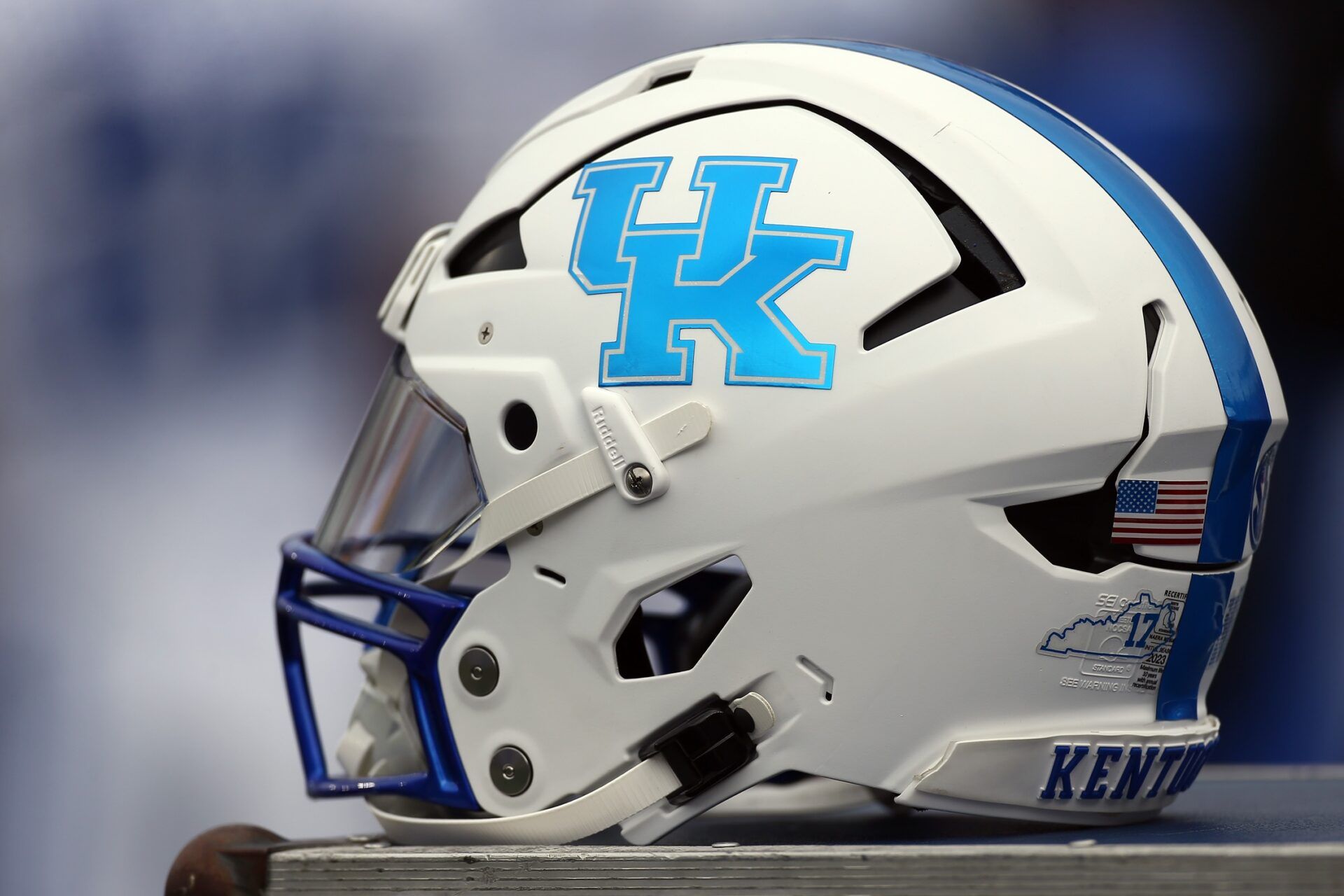
The University of Kentucky just signed a massive $465 million deal that changes everything about how college athletes can use school branding. But there’s a catch: Athletic Director Mitch Barnhart has made it clear that with those NIL dollars comes a very specific set of expectations about representing the Wildcats brand.
How Will Kentucky’s $465 Million JMI Sports Deal Change Athlete Branding Requirements?
When the University of Kentucky signed its JMI Sports contract for $465 million to assume control of its in-house NIL collective, it set a standard that other institutions of higher learning will likely attempt to follow.
Under these circumstances, Barnhart wants the Kentucky brand not just to be strong but also to be omnipresent throughout all athletic activities.
Kentucky has extended its multimedia marketing rights agreement with JMI Sports through 2040, a deal worth $465 million.
As part of it, JMI will take over UK’s in-house NIL collective.https://t.co/m6dfGCh6rc pic.twitter.com/6buAv9Ne3C
— KSR (@KSRonX) August 12, 2025
In his interview with On3, Barnhart explained his vision for how this partnership affects student-athletes.
“It gives us an opportunity so that our partners are somewhat protected,” said Barnhart. “The intellectual property, institutional property, it’s really important that if people want to use our marks, use our facilities for part of their endorsement property, that’s part of the deal.”
The athletic director continued, emphasizing the reciprocal nature of the relationship. “You come to the University of Kentucky and you’re part of our family, and you get to use our things, but also that’s part of the relationship. There’s a responsibility and a right that comes with that.”
What Does This Protocol Mean for Kentucky Student-Athletes?
While Barnhart’s statement could appear rather ominous and daunting, he makes a solid point about the business reality of modern college athletics. If Kentucky is going to pay players via NIL deals, it needs to receive something in return beyond just their athletic performance.
The expectation isn’t unreasonable when viewed through this lens. For example, if an athlete wants to use the football field for content creation, wearing Kentucky gear during filming represents a fair exchange. This approach treats the university-athlete relationship as a true partnership rather than a one-sided arrangement.
Many could argue that the school already receives tremendous value from the students’ athletic talents, and that does appear fair. However, Barnhart sees this branding requirement as a small “quid pro quo” protecting the university’s investment and marketing its partners.
How Will This Deal Impact Kentucky’s Recruiting and Competitive Position?
The financial windfall from this agreement, which runs through 2040 with the university maintaining 80% of the profits, should significantly help Kentucky’s recruiting efforts. This influx of branding opportunities will likely lure high school recruits and transfer portal players looking for maximum exposure and earning potential.
The timing couldn’t be more critical for Kentucky football. Since starting the program in 1915, the Wildcats have only achieved four double-digit win campaigns (1950, 1977, 2018, and 2021).
RELATED: One Clause in $76.5M Nike Deal Could Earn Mark Pope’s Kentucky Basketball Program $50K More Per Year
The football team in the revamped SEC needs all the help it can obtain, especially with last season’s additions of Oklahoma and Texas, and the improvement of programs like Vanderbilt and South Carolina, making the conference more competitive than ever.
This enhanced financial backing creates a foundation that Barnhart hopes will attract top-tier talent to Lexington. For athletes, aligning with the Kentucky brand could actually benefit their personal marketing efforts while building their reputation on the field.
The question remains whether Barnhart’s branding requirements will become the new standard across college athletics, or if Kentucky’s approach represents an overreach that could deter some recruits.
As NIL deals become more structured and business-focused, other universities will likely monitor this model closely to see how it performs financially and competitively.
