
Chronic Traumatic Encephalopathy (CTE) has become a closely studied and debated health concern in professional football. The condition, a progressive brain disease associated with repeated head impacts, has been identified in numerous former players through postmortem examinations.
Although it cannot be definitively diagnosed in living individuals, researchers have linked it to symptoms ranging from memory loss and impaired judgment to mood disorders and, in later stages, dementia. As awareness of player safety continues to evolve, public conversations about CTE carry greater weight, especially when they come from active athletes.
Cam Skattebo Dismisses CTE and Asthma During Podcast Interview
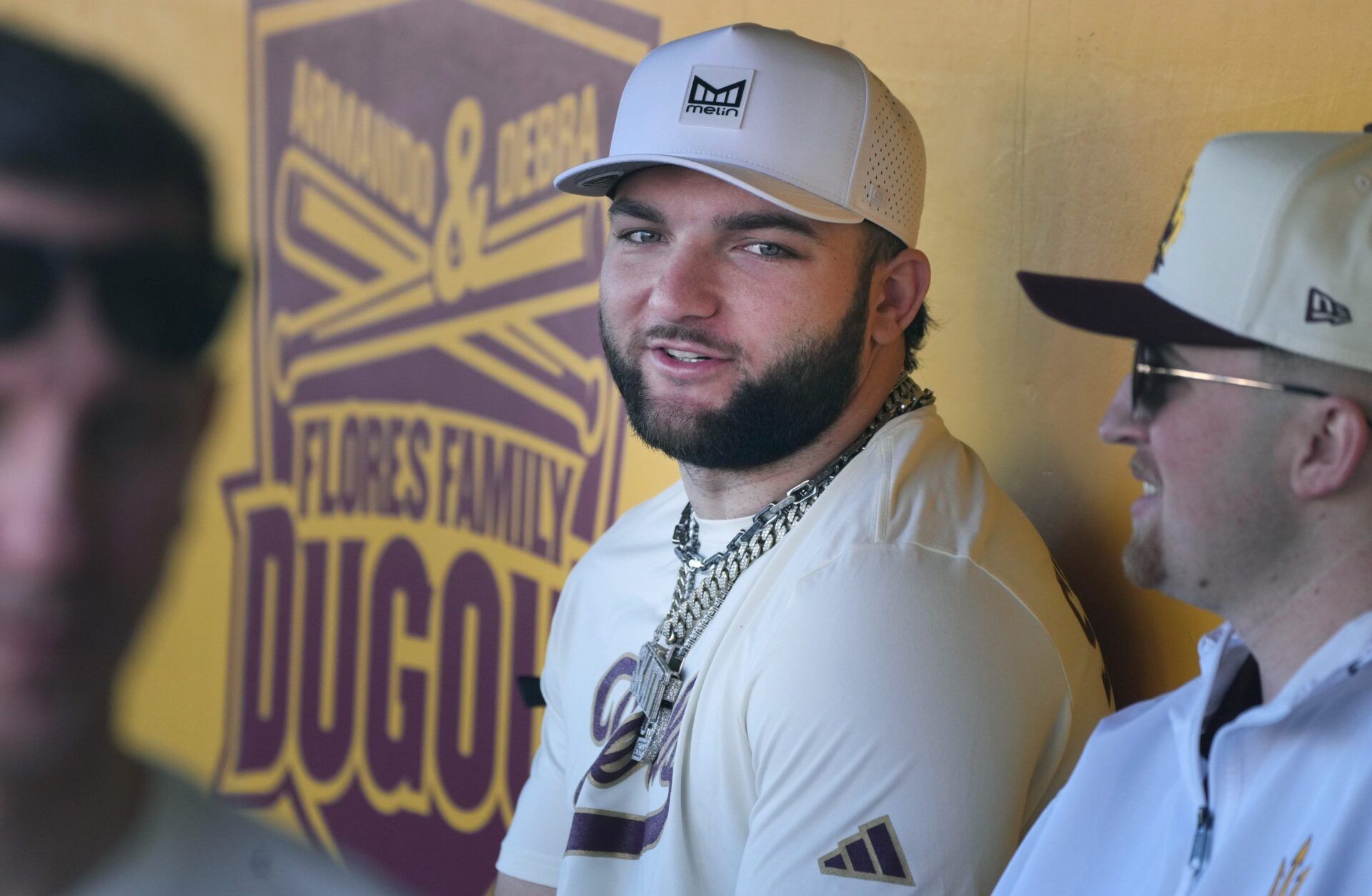
New York Giants running back Cam Skattebo made an appearance on the “Bring the Juice” podcast with Frank Dalena. In a segment, he was asked directly whether he believes CTE is real. His response: “No.”
He went on to describe the condition as “an excuse,” a characterization that became the focal point of the discussion. The exchange did not end there.
During the same conversation, asthma, a chronic respiratory condition, was also dismissed in similar terms. Dalena joked about children struggling with breathing during school activities, prompting Skattebo to respond, “Just breathe air.”
This can be interpreted as exaggerated banter or taken at face value, showing broader implications of dismissing widely recognized medical conditions, particularly in a league where head injuries have been a major issue for years.
CTE, in particular, has been the subject of intensive research. Scientists have found that repeated head trauma can lead to the accumulation of tau protein in the brain, which interferes with normal neurological function. While not every individual exposed to such impacts develops the disease, its documented presence in a large number of former professional football players has made it a critical topic within the sport.
Skattebo’s remarks also align with previous comments he has made about not fearing potential long-term brain damage associated with football. That perspective reflects a mindset not uncommon among athletes in high-contact sports, where physical risk is often viewed as part of the profession.
BE AN NFL GM: PFSN’s Ultimate GM Simulator
And that’s where this gets complicated.
Because the NFL, for all its spectacle, has spent years trying to rewrite its relationship with player safety. Concussion protocols, research funding, rule changes, all of it a part of a slow, sometimes reluctant acknowledgment that the game leaves marks that don’t always fade. Against that backdrop, publicly dismissing CTE represents a more direct challenge to the medical consensus that has shaped recent policy changes in the NFL.