
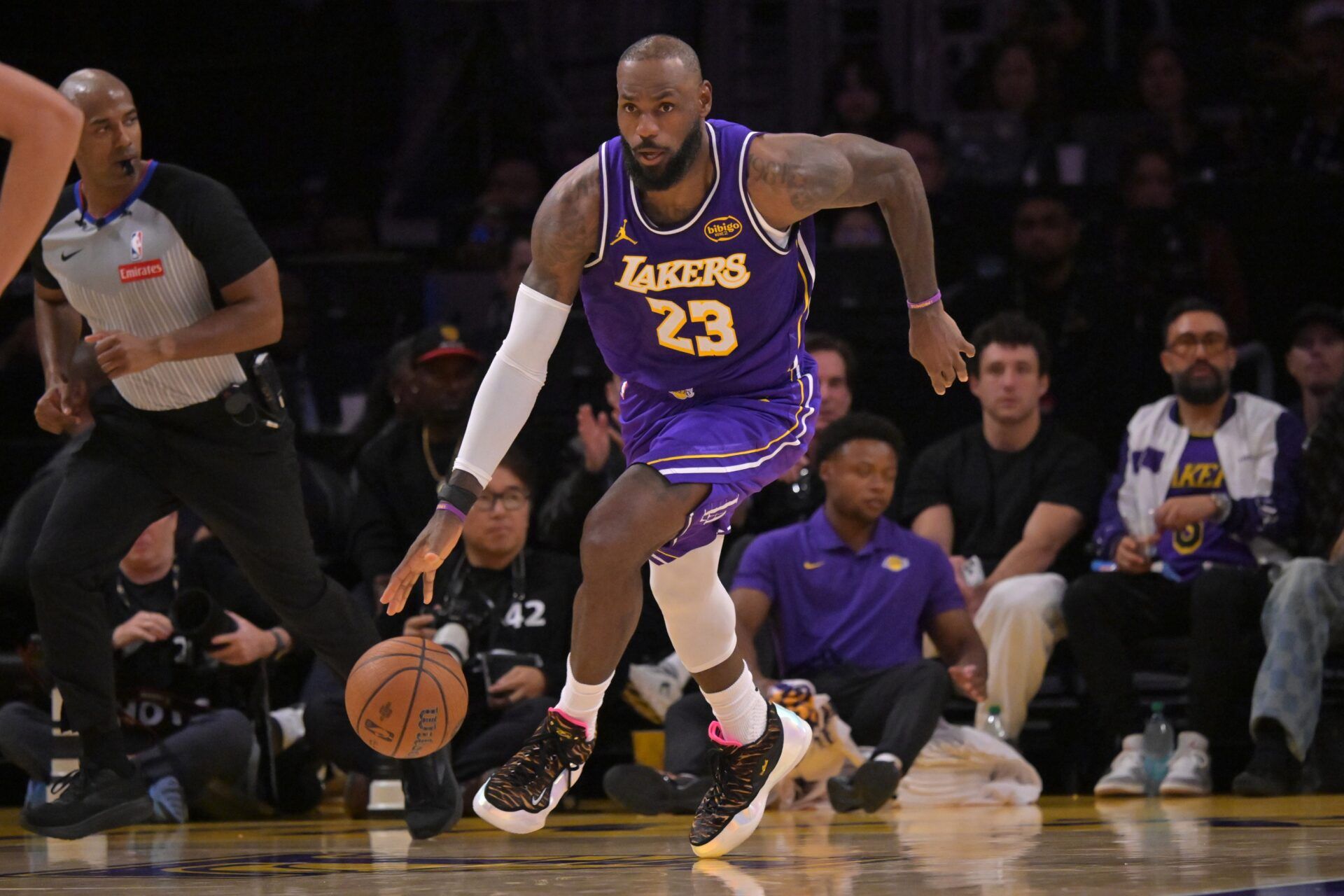
LeBron James’ unprecedented longevity continues to draw attention, but the spotlight does not stop with his play on the court. As he enters his 23rd NBA season, conversations around his inner circle have resurfaced, particularly involving one of the most powerful voices connected to his career. Recent comments have added new tension to that discussion.
Rich Paul Pushes Back Against Narratives Around Influence and Objectivity
For more than two decades, stability has been a defining theme of James’ career. Alongside family support, his partnership with longtime agent Rich Paul has remained constant.
Paul has overseen James’ business interests and major career decisions, becoming a central figure in modern NBA power dynamics through his leadership of Klutch Sports Group.
That visibility has also made Paul a frequent target of criticism. The scrutiny intensified after he launched Game Over, a new basketball podcast co-hosted with Max Kellerman. During a recent episode, Paul addressed claims that his relationship with James and the Lakers should disqualify him from openly discussing league matters.
“People expect me because LeBron is on the Lakers, to only glaze a situation. You don’t know me. LeBron wouldn’t tell you that, JJ Reddick wouldn’t tell you that, Rob Pelinka wouldn’t tell you that. Some things shouldn’t be said, but we’re doing a show talking basketball,” Paul said.
His remarks underline a broader frustration with how his commentary is perceived. Paul positioned himself not as a mouthpiece for the Lakers, but as someone capable of separating analysis from personal relationships. Critics who reduce his opinions to assumed bias often ignore that distinction.
Paul’s influence extends far beyond James. As founder and CEO of Klutch Sports Group, he represents multiple high-profile NBA players, including Anthony Davis and Draymond Green.
His role in empowering athletes has reshaped how representation is viewed across the league, while simultaneously fueling suspicion that his proximity to James gives the superstar undue control.
Those accusations resurfaced during the same podcast episode, with Paul directly rejecting the idea that James influences roster construction or client negotiations. “No, that’s false. That’s not true, but again, that’s fantasy agent,” Paul said, before referencing basketball fit and coaching preferences as legitimate decision-making factors.
Speculation followed similar lines last season when Anthony Davis was traded to Mavericks. Some observers suggested James’ involvement, but subsequent reporting clarified that Dallas general manager Nico Harrison led the deal that eventually sent Luka Doncic to the Lakers.
Taken together, Paul’s comments reflect an ongoing battle over perception. His public pushback suggests a desire to redefine how his voice is received, especially as he steps further into media spaces. While skepticism may persist, Paul’s stance makes one thing clear: he is unwilling to remain silent simply because of who he represents.
