
One of the biggest racing contests globally, NASCAR is often the gold standard for stock car racing. However, over the years, with multiple iterations, the sport’s vehicles have evolved a fair bit, and the current NextGen car has come quite far from its predecessors.
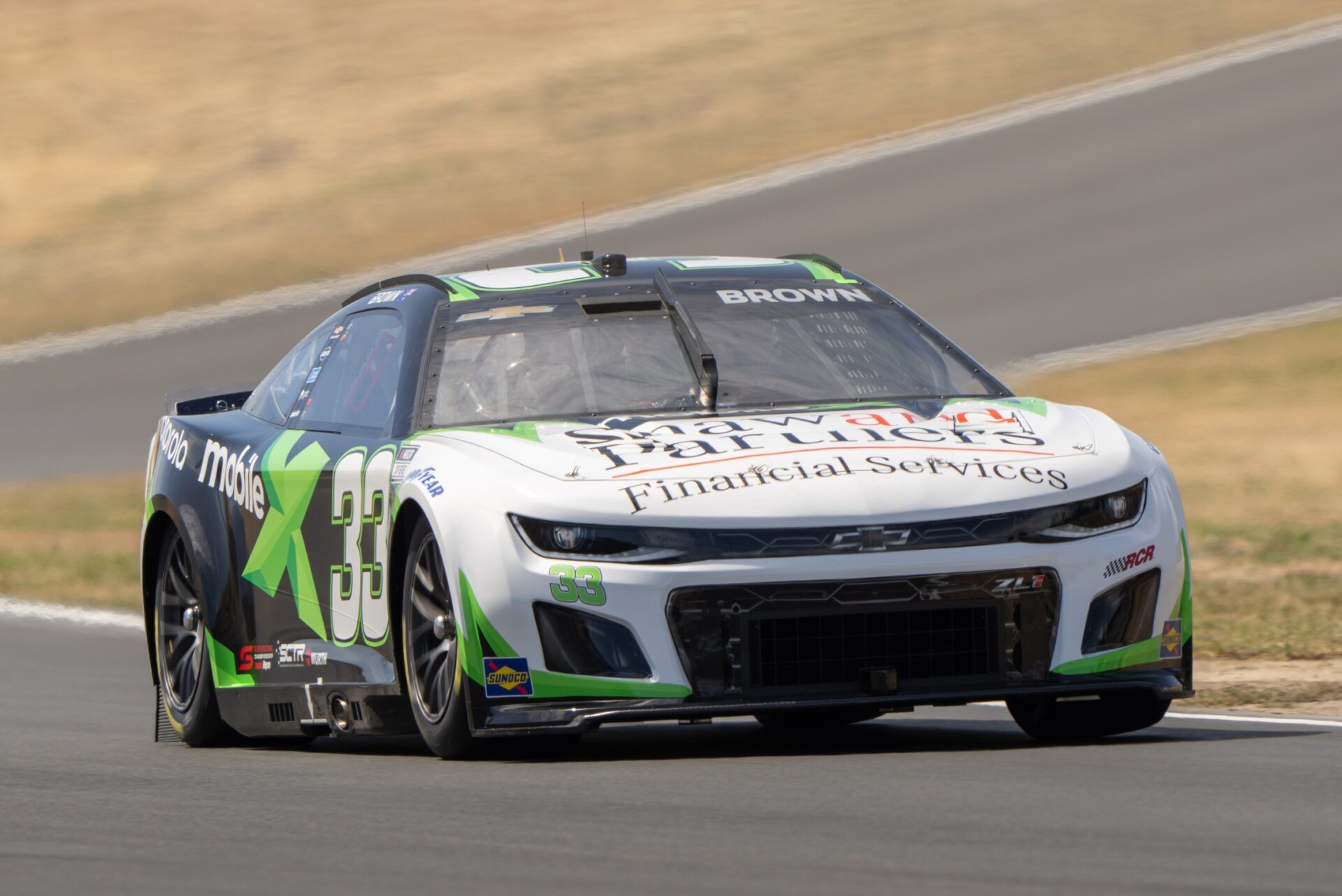
When Shane van Gisbergen’s former teammate from Australia, Will Brown, was gearing up for his second outing in NASCAR’s top series, he highlighted the differences between a NASCAR NextGen car and an Australian supercar. The racer used his Kaulig Racing car and pointed out how NASCAR’s latest car differs from an Australian supercar. For drivers making the jump between series, these technical differences can make or break their adaptation to American racing.
Brown’s Analysis of NASCAR’s NextGen Car vs. The Gen 3 Supercar
When van Gisbergen moved to NASCAR in 2023, Brown took his seat at Triple Eight. Ever since, the two have shared a close relationship that extends beyond the track. The No. 88 driver has also acted as a mentor for Brown and guided him during his debut in the Cup Series with Richard Childress Racing in 2024.
As Brown prepared for his second Cup start on the Chicago Street Course, he explained the key differences between the Gen 3 cars from home and NASCAR’s NextGen cars. The comparison gives fans insight into why some international drivers struggle early in their NASCAR careers while others adapt quickly.
In a video he posted, Brown mentioned being at Kaulig Racing, prepping for Grant Park 165. He began, “I just wanted to talk about some of the key differences between the supercar back at home, the Gen 3 car, and the car at NASCAR.”
He added that while both cars look neat and “cool,” their setups are quite distinct. Brown highlighted that NASCAR’s NextGen car lacked functional doors, which made it hard to enter. This might seem like a small detail, but for drivers used to climbing in through actual doors, it’s one of many adjustments that add up.
Following this, he noted that the seating position of the Kaulig Racing car was different from what he was used to. However, Brown was unsure of his seating preference and was keen to test the new stance for the Chicago contest. Driver comfort can make a huge difference over the course of a long race, especially on street courses where precision matters most.
Breaking down a *couple* differences between a @nascar cup series car and our @supercars – I’m no engineer but as a driver hopefully this can give you a bit more insight in to the cars! Both are fun to drive that’s for sure! pic.twitter.com/dqE44Phhvh
— Will Brown (@will_brown87) July 4, 2025
He further added, “The Supercar is probably a little more sophisticated inside. The steering wheel has a lot more buttons on it. We have line lockers, we can change our pages, and we have our drink buttons.”
Brown then stated that when it came to rear viewing, the NextGen car and the supercar were quite similar, with the former using only one rearview camera. This similarity probably helps drivers transition between the two series more easily than other aspects.
Key Technical Differences That Matter
The Australian racer then explained the gear-shifting mechanism of the NextGen car. He added, “For the gearshift here, you actually have to lift to allow it to change gears. We have a gearshift cutback at home. So we just pull it when we see the red light, and you don’t have to lift.”
This difference in shifting technique can cost drivers precious time if they don’t adapt quickly. In close NASCAR racing, even small delays in gear changes can mean the difference between gaining or losing positions.
He then mentioned the aero differences between the two. Brown mentioned that supercars had a fair bit of aero shredded to improve the racing quality. He also added, “I believe the racing has been a lot better back at home. Over here, they have a flat four.”
In wrapping up his comparison, Brown highlighted that both cars were fundamentally similar, and with the addition of clips, repairing them after a crash had become much easier. This repair system helps teams get cars back on track faster, which matters in NASCAR’s grueling schedule.
In the end, Brown also mentioned that the growing similarities between both machines were one of the reasons why many drivers from the Supercars series were willing to crossover into NASCAR. The technical gap between the series continues to shrink, making transitions smoother for talented drivers.
Brown and van Gisbergen competed head-to-head at the Chicago Street Course for the Grant Park 165 victory. The latter casually joked that considering the high stakes, the two were focused on competing more than helping each other. Their friendly rivalry adds another layer of intrigue to NASCAR’s international driver movement.
