
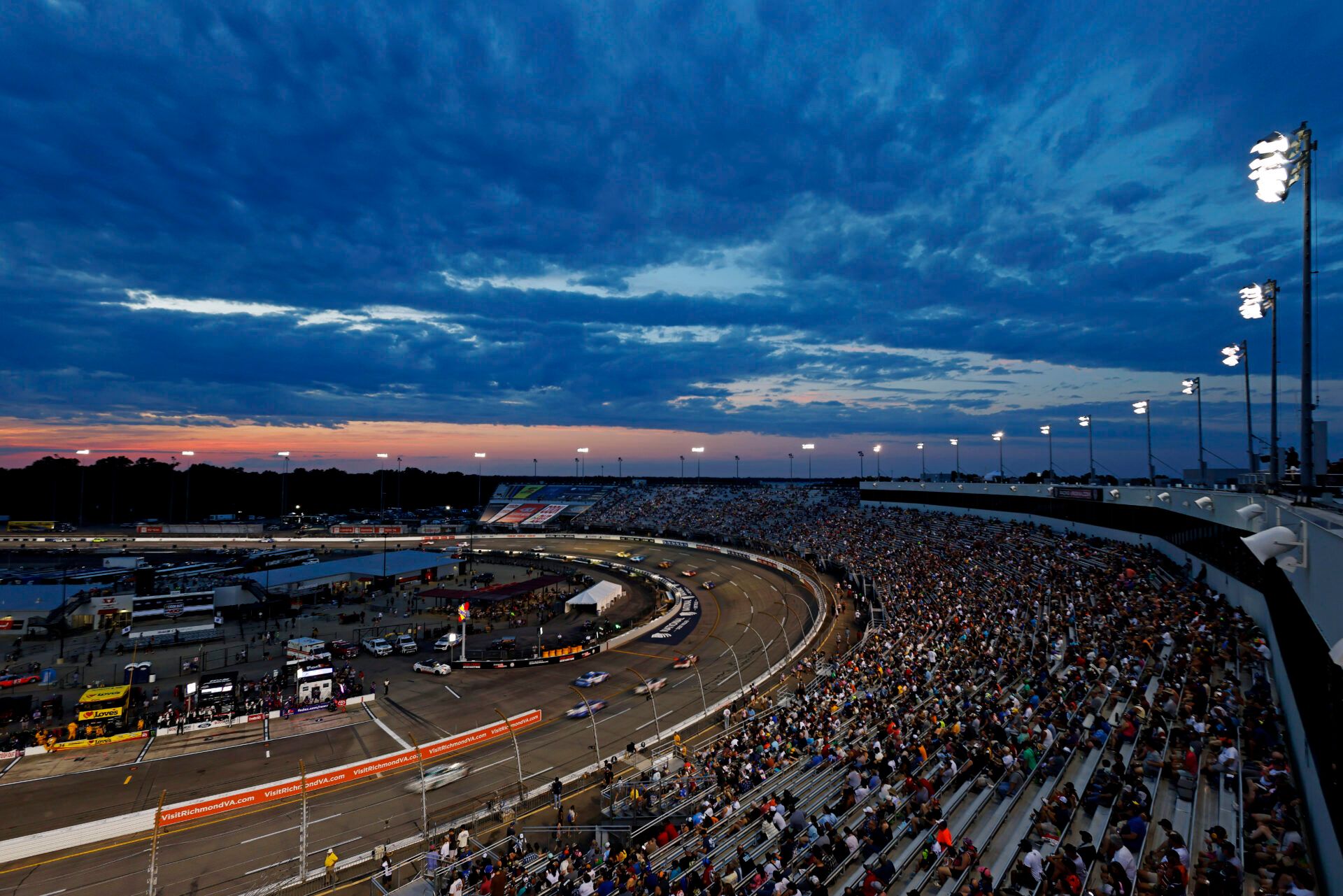
Virginia lawmakers are stepping in to protect the state’s most historic sports industries as concerns grow over the future of its iconic racetracks. State leaders have launched a new initiative aimed at safeguarding a racing economy that generates over $900 million for Virginia’s economy and creates more than 5000 jobs.
This effort comes after Richmond Raceway recently lost one of its two dates on NASCAR’s Cup Series calendar, a move that track president Lori Waran called “heartbreaking” in a recent caucus meeting. After warnings that even Martinsville Speedway nearly faced a similar fate, the state’s lawmakers are moving fast to ensure that Virginia’s racing roots remain secure for years to come.
Virginia Launches Motorsports Caucus to Protect Historic NASCAR Tracks
The push to protect Virginia’s racing industry took a major step forward with the launch of the General Assembly’s first motorsports caucus, an initiative designed to bring lawmakers, track operators, tourism officials, and representatives from NASCAR together to support the sport’s future in the state.
Among the key voices behind the effort is Bill Stanley, a longtime racing fan who helped organize the caucus. Stanley warned that Martinsville Speedway came close to losing a Cup Series race in recent years, highlighting how fragile the situation has become even for NASCAR’s most historic venues.
That warning reflects a broader challenge facing short tracks and historic speedways across the country. Many venues are dealing with shrinking sponsorships, noise complaints, increased competition for NASCAR’s limited race calendar, and a growing number of fans choosing to watch races from the comfort of their homes instead of attending in person.
PREDICT THE CHASE: PFSN’s NASCAR Season Simulator
Richmond Raceway’s recent schedule reduction illustrates those pressures clearly. The iconic 0.75-mile oval, which had hosted major NASCAR events for decades, lost one of its two Cup Series dates, a decision that track leadership described as “heartbreaking” and one that intensified discussions about how Virginia could better support the sport.
The caucus is now exploring potential ways to help protect the state’s motorsports infrastructure. One proposal involves “right-to-race” laws that would shield tracks from nuisance lawsuits when residential developments are built near long-standing racing facilities.
Lawmakers are also considering commissioning an economic impact study to further quantify Motorsports’ value to the state. An economic impact study by SEMA, an auto industry trade group, estimates that Motorsports generates over $900 million for Virginia’s economy, besides creating over 5000 jobs.
The financial impact goes well beyond the racetrack itself. Major race weekends bring visitors who fill hotels, restaurants, and local businesses across surrounding communities, creating a ripple effect that benefits regional tourism and commerce.
STAY UPDATED: The Side Draft: PFSN’s NASCAR Newsletter
Virginia leaders are also taking lessons from other states that have heavily invested in motorsports infrastructure. North Carolina has reportedly invested about $45 million in motorsports funding since COVID.
For Stanley and other supporters, the goal is clear: preserve Virginia’s historic place in American motorsports while ensuring its racetracks remain part of the sport’s future.
“Standing together,” Stanley said, “we cannot lose.”
